

Reception Optional Themed Enhancements - Idea Banks | 4-5 Years
Practical continuous provision enhancement ideas for 4–5 year olds in UK school settings
Use these idea banks to enrich Reception provision through familiar themes, children’s interests and seasonal learning. These are optional enhancements, not a fixed scheme.
📌 Choose a theme that fits children’s current interests, seasonal learning or class texts.
📌 Use one or two enhancement ideas at a time rather than changing every area.
📌 Keep your core provision consistent and use themes to add depth, vocabulary and fresh invitations to play.
📌 Follow children’s responses and adapt accordingly.
These idea banks are designed to help Reception practitioners enrich continuous provision through carefully chosen themes that children often encounter across the school year.
Each section offers optional enhancement ideas for provision areas such as:
Small World
Role Play
Mark Making / Writing
Construction
Reading/ Book Area
Creative Area
Maths
Investigation / STEM
Outdoor Provision
The ideas are intended to sit alongside a strong core curriculum and continuous provision offer. You do not need to use every theme, and you do not need to change every area at once.
Browse by theme
All About Me
The All About Me theme is a foundational starting point in Reception, helping children to explore their identity, relationships and sense of self. It supports children in developing confidence, communication skills and an understanding of their place within their family, setting and wider community.
This theme works best through personal, meaningful and inclusive provision, allowing children to share experiences, express themselves and build strong connections with others.
Continuous Provision Enhancements
🏡 Small World
Figures representing families and diverse communities
Home environments and familiar settings
Opportunities to recreate real-life experiences
Open-ended storytelling about daily life
🎭 Role Play
Home corner or “family life” role play area
Dressing up clothes reflecting everyday roles
Opportunities to act out routines (cooking, caring, getting ready)
Props such as phones, bags, kitchen items
✏️ Mark Making / Writing
Drawing and labelling themselves and their families
Writing names and simple captions
Creating “All About Me” books or posters
Recording likes, interests and experiences
🧱 Construction
Building homes and familiar environments
Creating spaces that reflect children’s experiences
Designing structures linked to everyday life
Exploring space and layout
📚 Reading / Book Area
Books about families, feelings and identity
Stories reflecting diverse experiences
Opportunities for discussion and sharing
Books that support emotional understanding
🎨 Creative Area
Self-portraits using a variety of materials
Exploring colour, pattern and identity
Creating family pictures or collages
Using mirrors for observational drawing
🔢 Maths
Counting family members or objects
Sorting and grouping (e.g. likes/dislikes)
Comparing size, age or height
Exploring patterns linked to personal preferences
🔍 Investigation / STEM
Exploring the senses (sight, sound, touch, taste, smell)
Investigating similarities and differences
Simple discussions about the body and how it works
Observing changes (growth, development)
🌿 Outdoor Provision
Movement activities exploring what bodies can do
Large-scale role play linked to daily life
Opportunities for social play and collaboration
Exploring personal space and physical development
🔗 Useful Resources
All About Me printable provision resources
Family and identity templates
Mark making and self-portrait resources
Small world and role play inspiration
Resources exploring personal preferences, ‘Emotions’, ‘Health’ and the ‘Human Body’
📖 Curriculum & Pedagogy Links
Supporting PSED (identity, confidence, relationships)
Developing communication and language through sharing experiences
Encouraging inclusive and reflective practice
⭐ Why this theme works so well
All About Me is particularly powerful because it:
supports PSED and emotional development
builds confidence and sense of belonging
encourages communication and sharing
reflects children’s real lives and experiences
creates a strong foundation for future learning
💡 Practitioner Tip
Ensure the provision reflects the diversity of your setting — including different family structures, cultures and experiences — so that every child feels seen, valued and represented.
Starting School
The Starting School theme supports children as they transition into Reception, helping them build confidence, understand routines and develop a sense of belonging. It focuses on familiarising children with the school environment, expectations and relationships.
In Reception, this theme strongly supports Personal, Social & Emotional Development, Communication & Language and the Characteristics of Effective Learning, while helping children feel safe, secure and ready to engage.
Continuous Provision Enhancements
🏡 Small World
School scenes with classrooms, playgrounds and familiar routines
Figures representing children, teachers and key adults
Opportunities to act out daily routines (arrival, snack, tidy-up)
Exploring social interactions and friendships
🎭 Role Play
Classroom role play (teacher, pupil, register time)
Home-to-school transitions (getting ready, arriving, saying goodbye)
Exploring routines such as snack time, group time and tidy-up
Conversations about feelings and experiences
✏️ Mark Making / Writing
Name writing and self-registration activities
Creating simple labels (e.g. peg labels, drawer names)
Drawing and writing about “My first day at school”
Making simple lists (things we do at school)
🧱 Construction
Building classroom environments or school buildings
Creating spaces for learning and play
Designing playgrounds or outdoor areas
Exploring how environments support routines
📚 Reading / Book Area
Stories about starting school and new experiences
Books about friendships, routines and feelings
Opportunities to reflect on personal experiences
Sharing and discussing familiar scenarios
🎨 Creative Area
Creating self-portraits
Making “All About Me” posters or displays
Exploring identity through art
Crafting simple classroom resources
🔢 Maths
Counting children, objects or classroom resources
Sorting and matching personal items
Exploring routines through sequencing (first, next, then)
Recognising and using numbers in everyday contexts
🔍 Investigation / STEM
Exploring the classroom environment (how things work, where things belong)
Understanding routines and systems
Asking questions about the school environment
Developing independence through exploration
🌿 Outdoor Provision
Exploring playground routines and expectations
Physical play that builds confidence and coordination
Opportunities for social interaction and cooperation
Familiarising children with outdoor spaces
🔗 Useful Resources
Starting school printable provision and transition resources
Name writing and self-registration materials
Role play enhancements (classroom, routines)
Discussion prompts and visual supports
📖 Curriculum & Pedagogy Links
Personal, Social & Emotional Development: confidence, independence, relationships
Communication & Language: expressing feelings, understanding routines
Characteristics of Effective Learning: engagement, motivation and resilience
Developing vocabulary (school, classroom, routine, teacher, friend, learning)
⭐ Why this theme works so well
Starting School is particularly effective because it:
supports smooth transitions and emotional security
builds confidence and independence
helps children understand routines and expectations
encourages positive relationships and friendships
provides a strong foundation for engagement in learning
💡 Practitioner Tip
Prioritise relationships and emotional security first — when children feel safe and understood, they are far more ready to engage, explore and learn.
People Who Help Us
The People Who Help Us theme provides meaningful opportunities for children to explore the world around them, understand community roles and develop respect for others. It is particularly powerful in Reception for building real-world connections, expanding vocabulary and supporting Personal, Social and Emotional Development (PSED).
This theme works best when grounded in children’s lived experiences — focusing on familiar helpers such as family members, school staff and local services — alongside broader roles such as healthcare workers, emergency services and community figures.
Continuous Provision Enhancements
🏡 Small World
Community setups with roads, buildings and figures
Emergency services (police, fire, ambulance)
Hospitals, schools and shops
Open-ended storytelling scenarios (helping, fixing, rescuing)
🎭 Role Play
Role play areas such as:
Doctor’s surgery
Vet clinic
Fire station
Police station
Real-life props (bandages, clipboards, uniforms, telephones)
Opportunities for children to take on different roles and act out experiences
✏️ Mark Making / Writing
Writing prescriptions, reports or appointment lists
Making signs, labels and forms
Recording “incidents” or helping actions
Creating ID badges or role labels
🧱 Construction
Building community buildings (hospitals, fire stations, schools)
Creating roads, bridges and transport routes
Designing structures linked to real-life environments
Exploring how structures support people in their roles
📚 Reading / Book Area
Fiction and non-fiction books about helpers and community roles
Stories that explore kindness, teamwork and responsibility
Books reflecting children’s own experiences
Story props to support retelling and discussion
🎨 Creative Area
Designing uniforms, badges or tools
Creating emergency vehicles or buildings
Drawing and painting people in helping roles
Junk modelling tools and equipment
🔢 Maths
Counting and sorting equipment (e.g. medical tools, vehicles)
Exploring number through real-life contexts (appointments, patients)
Comparing quantities (more/less, full/empty)
Using positional language (inside, outside, next to)
🔍 Investigation / STEM
Exploring how things work (e.g. simple mechanisms in vehicles)
Problem-solving scenarios (How can we help? What do we need?)
Investigating materials (What makes something strong or safe?)
Simple cause-and-effect learning through role play
🌿 Outdoor Provision
Large-scale role play (firefighting, rescue missions)
Riding bikes or scooters as emergency vehicles
Creating road systems or obstacle courses
Collaborative team games and challenges
🔗 Useful Resources
People Who Help Us printable provision resources
Role play packs (doctor, vet, optometrist, dentist, construction site)
Mark making templates and forms
Posters, word cards and role investigation packs
📖 Curriculum & Pedagogy Links
Supporting PSED through understanding roles and responsibilities
Developing communication and language through role play
Building knowledge of the world and community
⭐ Why this theme works so well
People Who Help Us is particularly valuable because it:
builds real-world understanding and connections
supports PSED, empathy and respect for others
encourages rich role play and communication
develops vocabulary linked to real-life experiences
helps children make sense of their wider world
💡 Practitioner Tip
Keep the focus broad and inclusive — include everyday helpers (family members, teachers, shop workers) as well as emergency services. This helps all children see themselves and their families reflected in the curriculum.
Houses & Homes
The Houses & Homes theme supports children in exploring where people live, how homes are structured and how environments can differ around the world. It provides meaningful opportunities to connect learning to children’s own experiences while also broadening their understanding of diversity and different ways of living.
In Reception, this theme works best through familiar, real-life contexts alongside imaginative exploration, allowing children to build, role play and compare different types of homes and environments.
Continuous Provision Enhancements
🏡 Small World
Dolls’ houses and home environments
Different types of homes (flats, houses, tents, huts)
Community scenes with roads and buildings
Opportunities to recreate familiar routines and environments
🎭 Role Play
Home corner reflecting real-life domestic environments
Opportunities to act out daily routines (cooking, cleaning, caring)
Props such as kitchen equipment, phones, furniture and bags
Exploring different home roles and responsibilities
✏️ Mark Making / Writing
Drawing and labelling homes
Creating simple maps or plans of houses
Writing signs, labels or addresses
Recording ideas about different homes
🧱 Construction
Building houses and structures using blocks or junk modelling
Creating different types of homes (towers, cottages, huts)
Designing layouts and spaces
Exploring structure, balance and stability
📚 Reading / Book Area
Stories about homes, families and environments
Books exploring different homes around the world
Opportunities for discussion and comparison
Story props to support retelling
🎨 Creative Area
Designing and creating houses using a variety of materials
Exploring textures and patterns (brick, wood, fabric)
Drawing and painting homes
Collage using different materials
🔢 Maths
Exploring shape through houses (squares, rectangles, triangles)
Comparing size and structure
Counting rooms, windows or objects
Using positional language (inside, outside, above, below)
🔍 Investigation / STEM
Exploring materials used to build homes
Investigating strength and stability
Testing which materials are waterproof or strong
Simple problem-solving (How can we build a strong house?)
🌿 Outdoor Provision
Building dens and shelters
Exploring different types of outdoor “homes”
Large-scale construction and role play
Investigating how shelters protect from weather
🔗 Useful Resources
Houses & Homes printable provision resources
Role play packs (home corner, community)
Mark making templates (what’s for dinner, photo frames, lists)
Displays, environmental text & other educational materials representing various types of homes
📖 Curriculum & Pedagogy Links
Supporting Understanding the World through real-life experiences
Developing language through discussion and comparison
Encouraging problem-solving and exploration
⭐ Why this theme works so well
Houses & Homes is particularly effective because it:
connects strongly to children’s real-life experiences
supports understanding of diversity and environments
encourages discussion, comparison and reflection
provides opportunities for hands-on building and exploration
develops language through meaningful contexts
💡 Practitioner Tip
Include a range of different homes from around the world and avoid assuming all children live in the same type of environment — this supports inclusion and broadens children’s understanding of diversity.
Autumn
The Autumn theme provides rich opportunities for children to explore seasonal change through first-hand experiences. As the environment transforms, children can observe falling leaves, changing colours and cooler weather, making this theme highly engaging and meaningful.
In Reception, Autumn works best through sensory exploration, outdoor learning and real-life observation, supporting children to develop vocabulary, curiosity and understanding of the natural world.
Continuous Provision Enhancements
🏡 Small World
Autumn-themed tuff trays with leaves, conkers, acorns and sticks
Woodland scenes with animals and natural materials
Seasonal storytelling opportunities
Environments reflecting changes in nature
🎭 Role Play
Autumn walks and outdoor exploration role play
Dressing for seasonal weather (coats, boots, scarves)
Woodland or forest role play setups
Opportunities to act out seasonal experiences
✏️ Mark Making / Writing
Recording seasonal observations
Drawing and labelling autumn objects
Creating simple captions about changes in the environment
Writing lists (e.g. things found on an autumn walk)
🧱 Construction
Building woodland environments or shelters
Creating structures using natural materials
Designing spaces for animals or outdoor living
Exploring structure and balance
📚 Reading / Book Area
Fiction and non-fiction books about Autumn and seasonal change
Stories about woodland animals and nature
Opportunities for discussion and storytelling
Books that reflect children’s real-life experiences
🎨 Creative Area
Leaf printing, collage and rubbings
Exploring autumn colours (reds, oranges, browns)
Using natural materials in artwork
Observational drawing of seasonal changes
🔢 Maths
Counting and sorting natural objects (leaves, conkers)
Exploring patterns and sequences
Comparing size, weight and quantity
Using positional language during outdoor exploration
🔍 Investigation / STEM
Observing changes in leaves and plants
Exploring textures and materials
Investigating weather changes
Simple discussions about seasonal change
🌿 Outdoor Provision
Autumn walks and collection of natural materials
Large-scale exploration of seasonal changes
Building with natural resources
Movement and imaginative play linked to nature
🔗 Useful Resources
Autumn printable provision resources
Seasonal observation sheets and templates
Mark making and recording resources
Outdoor learning and woodland inspiration
📖 Curriculum & Pedagogy Links
Supporting Understanding the World through real-life observation
Developing vocabulary through sensory experiences
Encouraging enquiry and curiosity
⭐ Why this theme works so well
Autumn is particularly effective because it:
provides rich, real-life learning opportunities
supports sensory and exploratory play
encourages language development through observation
links strongly to Understanding the World
allows for meaningful outdoor learning
💡 Practitioner Tip
Make the most of outdoor experiences — regular walks and collections of natural materials provide endless opportunities for discussion, investigation and vocabulary development.
Light & Dark
The Light & Dark theme offers rich opportunities for children to explore contrast, change and curiosity through sensory and investigative play. It links closely to children’s natural fascinations with shadows, night-time, light sources and the unknown.
In Reception, this theme supports scientific enquiry, imaginative storytelling and vocabulary development, while also providing opportunities to explore feelings (e.g. fear of the dark) in a safe and playful way.
Continuous Provision Enhancements
🏡 Small World
Night-time scenes with houses, streetlights and vehicles
Space, nocturnal animal or city-at-night setups
Use of torches or small lights to enhance storytelling
Opportunities to explore light sources within play
🎭 Role Play
Night-time routines (bedtime, stargazing, night walks)
“Dark den” or cosy space for imaginative play
Exploring light sources (torches, lanterns)
Opportunities to act out familiar and imaginative scenarios
✏️ Mark Making / Writing
Drawing and labelling night-time scenes
Creating simple captions about light and dark
Recording observations (e.g. shadows, changes in light)
Writing lists (e.g. things that shine or glow)
🧱 Construction
Building structures to explore light and shadow (e.g. towers, tunnels)
Creating dens or enclosed spaces to block light
Designing “cities at night” with blocks and lights
Exploring how structures affect light (transparent vs opaque)
📚 Reading / Book Area
Fiction and non-fiction books about night, space and light
Stories exploring darkness, shadows or bedtime
Opportunities for quiet, cosy reading experiences
Discussion prompts about feelings and observations
🎨 Creative Area
Exploring dark and light colours in painting and collage
Shadow drawing and silhouette art
Using reflective and shiny materials
Creating starry night pictures or light-based artwork
🔢 Maths
Exploring pattern and contrast (light/dark sequences)
Sorting objects by colour, brightness or reflectiveness
Using positional language when exploring shadows
Counting and grouping light sources or objects
🔍 Investigation / STEM
Exploring shadows (how they are made and change)
Investigating light sources (natural and artificial)
Exploring reflective and transparent materials
Asking simple questions: What makes light? What blocks it?
🌿 Outdoor Provision
Observing changes in light throughout the day
Exploring shadows outdoors
Using torches in shaded or darker areas
Large-scale shadow play and movement
🔗 Useful Resources
Light and Dark printable provision resources
Night and Day compare and discuss prompts
Nocturnal Animal printable provision
Space exploration resources
Further links to The Changing Seasons, Hibernation and Festivals & Celebrations.
📖 Curriculum & Pedagogy Links
Supporting Understanding the World through investigation
Developing vocabulary (light, dark, shadow, glow, reflect)
Encouraging curiosity and questioning
Linking play to early scientific thinking
⭐ Why this theme works so well
Light & Dark is particularly effective because it:
sparks curiosity and enquiry
supports early scientific understanding
encourages imaginative storytelling
provides rich sensory experiences
helps children explore feelings and emotions safely
💡 Practitioner Tip
Use simple resources like torches, mirrors and natural light — these can transform everyday provision into highly engaging investigative experiences without needing complex setups.
Winter
The Winter theme provides a rich opportunity for children to explore seasonal change, weather, and the natural world. It often builds on children’s real-life experiences — colder days, frost, darker mornings — while also opening up imaginative play linked to snow, ice and seasonal celebrations.
In Reception, this theme supports Understanding the World, language development and expressive play, while offering opportunities to explore change over time, care for living things and seasonal routines.
Continuous Provision Enhancements
🏡 Small World
Winter landscapes with snow, ice and seasonal features
Arctic and Antarctic animal setups
Small world “winter village” or snowy forest scenes
Opportunities to act out seasonal stories and experiences
🎭 Role Play
Winter clothing shop (hats, scarves, gloves)
Hot chocolate café or cosy home corner
Dressing for the weather (putting on coats, boots)
Talking about keeping warm and staying safe
✏️ Mark Making / Writing
Drawing and labelling winter scenes
Writing simple captions about the weather
Making lists (e.g. clothes we wear in winter)
Mark making inspired by frost, snow and patterns
🧱 Construction
Building shelters, homes or dens for cold weather
Creating igloos or winter-themed structures
Designing homes for animals in winter
Exploring stability and protection from weather
📚 Reading / Book Area
Fiction and non-fiction books about winter and weather
Stories about snow, animals and seasonal change
Cosy reading spaces with blankets and cushions
Opportunities to talk about personal experiences
🎨 Creative Area
Snow and ice-themed artwork (painting, collage, printing)
Exploring white, blue and silver tones
Creating snowflakes, winter scenes or textured art
Using different materials to represent cold environments
🔢 Maths
Counting and grouping winter objects (e.g. snowballs, mittens)
Exploring patterns (snowflakes, scarves, repeated designs)
Comparing sizes (big/small snowballs, long/short scarves)
Using positional language in winter scenes
🔍 Investigation / STEM
Exploring ice (melting, freezing, changes over time)
Investigating materials (what keeps us warm?)
Observing weather and seasonal changes
Asking simple questions and making predictions
🌿 Outdoor Provision
Exploring frost, ice and cold weather (when possible)
Seasonal outdoor observations
Physical play linked to winter movement (sliding, balancing)
Opportunities for real-life experiences and discussion
🔗 Useful Resources
Winter-themed printable provision and enhancements
Weather and seasonal display resources
Mark making prompts and writing templates
Investigation and challenge cards for exploration
📖 Curriculum & Pedagogy Links
Understanding seasonal change and the natural world
Developing vocabulary (cold, frost, melt, freeze, icy, slippery)
Encouraging observation, questioning and prediction
Supporting communication through real-life experiences
⭐ Why this theme works so well
Winter is particularly effective because it:
builds on real-life experiences and observations
supports early scientific understanding (change, materials, weather)
encourages rich descriptive language
offers sensory and exploratory opportunities
links naturally to care, routines and wellbeing
💡 Practitioner Tip
You don’t need snow to explore Winter — simple experiences like ice, cold water, weather observations and cosy role play can create highly engaging, meaningful learning opportunities.
Traditional Tales
Traditional Tales offer rich opportunities for storytelling, retelling and imaginative play. Familiar narratives such as The Three Little Pigs, Goldilocks and the Three Bears and Little Red Riding Hood support children to build story language, sequence events and develop confidence in communication.
In Reception, this theme works particularly well through open-ended, language-rich enhancements that encourage children to adapt, retell and invent their own versions of well-known stories.
Continuous Provision Enhancements
🏡 Small World
Story trays linked to familiar tales (e.g. woodland, cottages, castles)
Loose parts (blocks, fabric, natural materials) to retell or adapt stories
Open-ended characters for children to create their own narratives
Story stones or simple props to support sequencing and retelling
🎭 Role Play
Cottage, castle or woodland role play areas
Simple props such as baskets, cloaks, wooden spoons, teapots
Masks or puppets for familiar characters
Opportunities to act out and change story endings
✏️ Mark Making / Writing
Story maps and simple sequencing strips (beginning, middle, end)
“Wanted” posters or character descriptions (e.g. the wolf)
Labels and signs for story settings (house names, forest signs)
Speech bubbles for characters to encourage early dialogue writing
🧱 Construction
Building houses using different materials (linking to Three Little Pigs)
Constructing bridges, castles or towers
Exploring stability and strength through building challenges
Collaborative building linked to story settings
📚 Reading / Book Area
A selection of traditional tales (different versions where possible)
Puppets or props to support retelling
Story baskets linked to key texts
Opportunities for children to “read” and perform stories
🎨 Creative Area
Designing and decorating story characters
Creating props (e.g. crowns, masks, puppets)
Collage or painting linked to story settings
Junk modelling to create houses or story elements
🔢 Maths
Comparing size (big, medium, small) linked to story characters
Counting objects within stories (e.g. bowls, chairs, bricks)
Sequencing story events using simple visual cards
Exploring positional language (in, under, behind) through small world play
🔍 Investigation / STEM
Exploring materials (Which house is strongest?)
Testing and predicting (What happens when we blow?)
Investigating forces such as pushing, blowing and stacking
Simple problem-solving linked to story scenarios
🌿 Outdoor Provision
Large-scale story re-enactment using outdoor space
Building dens or “houses” with crates, fabrics or natural materials
Acting out stories through movement and role play
Story trails with props or picture prompts around the outdoor area
🔗 Useful Resources
Traditional Tales printable resources
Role play packs and small world enhancements
Story sequencing and storytelling resources
📖 Curriculum & Pedagogy Links
Supporting storytelling and narrative development
Vocabulary and language-rich provision guidance
Superheroes
The Superheroes theme is always highly engaging in Reception, tapping into children’s interests in power, identity, fairness and helping others. It provides a strong foundation for exploring Personal, Social and Emotional Development (PSED) alongside storytelling, communication and imaginative play.
In practice, this theme works best when it moves beyond commercial characters and instead focuses on everyday heroes, problem-solving and positive behaviours, allowing children to explore what it means to be kind, brave and helpful.
Continuous Provision Enhancements
🏡 Small World
Open-ended superhero figures and community helpers
Cityscapes created with blocks, roads and loose parts
Rescue scenarios (saving people, fixing problems)
Opportunities for children to create their own superhero narratives
🎭 Role Play
Superhero headquarters or “rescue centre”
Capes, masks and simple costumes (non-branded)
Mission cards (help a friend, fix a problem, rescue a toy)
Walkie-talkies, clipboards and emergency role play props
✏️ Mark Making / Writing
Designing their own superhero characters
Writing simple mission plans or rescue instructions
Creating badges, logos or labels
Recording “hero achievements” or helping acts
🧱 Construction
Building cities, towers or rescue stations
Creating obstacle courses or “challenge zones”
Designing structures to protect or rescue
Exploring stability and structure through building
📚 Reading / Book Area
Stories about heroes, helping and kindness
Books exploring emotions, fairness and teamwork
Story props to support retelling and storytelling
Opportunities for children to create their own hero stories
🎨 Creative Area
Designing capes, masks and superhero costumes
Creating badges or symbols
Exploring colour, pattern and identity through design
Junk modelling superhero tools or gadgets
🔢 Maths
Counting “rescues” or completed missions
Sorting and grouping superhero equipment
Exploring positional language (above, below, next to)
Simple problem-solving scenarios (How many do we need? Who goes first?)
🔍 Investigation / STEM
Exploring forces (push, pull, lift) through play
Testing materials for strength (What makes a strong bridge?)
Simple problem-solving challenges
Designing solutions to “real-life” problems
🌿 Outdoor Provision
Obstacle courses and “hero training” challenges
Large-scale rescue scenarios
Movement games (flying, jumping, balancing)
Collaborative team challenges
🔗 Useful Resources
Superhero printable provision resources - Coming Soon!
Role play packs (rescue centre, emergency themes)
Mark making and design templates
Small world and tuff tray inspiration
📖 Curriculum & Pedagogy Links
Supporting PSED through play (kindness, fairness, helping others)
Developing storytelling and narrative skills
Encouraging problem-solving and collaboration
⭐ Why this theme works so well
Superheroes are particularly powerful because they:
strongly support PSED and behaviour development
encourage role play, collaboration and empathy
inspire storytelling and imagination
provide opportunities to explore real-life values and actions
engage children who may be less motivated by traditional themes
💡 Practitioner Tip
Focus on “real heroes” and everyday actions (helping, sharing, caring) rather than commercial characters. This keeps the learning meaningful, inclusive and rooted in children’s real experiences.
Space
The Space theme captures children’s imagination and curiosity, offering rich opportunities for storytelling, exploration and vocabulary development. It naturally encourages big thinking — from planets and stars to journeys, discovery and the unknown.
In Reception, Space works best through open-ended, creative and language-rich enhancements that allow children to explore ideas, invent narratives and engage in imaginative play while developing key skills across the curriculum.
Continuous Provision Enhancements
🏡 Small World
Space scenes using black fabric, foil, lights and loose parts
Rockets, astronauts and alien figures
Planet landscapes created with playdough or textured materials
Open-ended setups for storytelling and imaginative exploration
🎭 Role Play
“Mission Control” or “Space Station” role play area
Helmets, control panels, clipboards and communication devices
Astronaut training scenarios and space missions
Opportunities for collaborative imaginative play
✏️ Mark Making / Writing
Space mission logs and recording sheets
Labelling rockets, planets and equipment
Writing simple captions or stories about space journeys
Designing tickets, maps or control panels
🧱 Construction
Building rockets, space stations or alien habitats
Using junk modelling to create spacecraft
Designing structures for landing, launching or exploring
Exploring balance, shape and stability through building
📚 Reading / Book Area
Fiction and non-fiction space books
Story props linked to space adventures
Opportunities for storytelling and retelling
Books that introduce simple facts about space
🎨 Creative Area
Creating planets using paint, collage or marbling
Exploring colour mixing for space skies
Designing aliens using open-ended materials
Using foil, glitter and dark backgrounds for visual effect
🔢 Maths
Counting stars, planets or astronauts
Ordering planets by size (simple comparisons)
Exploring shapes in rockets and space equipment
Positional language (above, below, next to, far away)
🔍 Investigation / STEM
Exploring light and dark (torches, glow materials)
Investigating floating and sinking (linked to “space” ideas)
Simple discussions about planets, the moon and stars
Exploring cause and effect through “launch” experiments
🌿 Outdoor Provision
“Rocket launch” zones using large construction materials
Chalk drawings of planets, stars or space journeys
Large-scale imaginative play (space missions outdoors)
Movement games linked to space travel
🔗 Useful Resources
Space printable provision resources
Role play packs (astronauts, mission control)
Mark making design and labelling resources
Maths counting and Shape resources
📖 Curriculum & Pedagogy Links
Supporting imaginative play and storytelling
Developing vocabulary through themed provision
Enquiry-based learning in EYFS
⭐ Why this theme works so well
Space is particularly powerful because it:
sparks curiosity and imagination
encourages rich language and storytelling
supports collaborative play and problem solving
links naturally to STEM concepts
allows for high engagement across all areas of provision
Journeys & Transport
The Journeys & Transport theme supports children in exploring movement, travel and how people and objects get from one place to another. It provides strong links to real-life experiences, making it highly meaningful and engaging for Reception children.
This theme works particularly well through practical, play-based and exploratory provision, encouraging children to build, create, role play and problem-solve while developing vocabulary, storytelling and understanding of the world.
Continuous Provision Enhancements
🏡 Small World
Roadways, tracks and transport systems using blocks and mats
Vehicles such as cars, buses, trains and aeroplanes
Open-ended setups for journeys and storytelling
Maps and signs to support navigation play
🎭 Role Play
Bus, train or airport role play areas
Tickets, passports, luggage and clipboards
Opportunities to act out journeys and travel experiences
Roles such as drivers, passengers and ticket inspectors
✏️ Mark Making / Writing
Creating tickets, maps and signs
Writing journey stories or captions
Labelling vehicles and routes
Recording travel plans or experiences
🧱 Construction
Building roads, bridges, tunnels and tracks
Creating vehicles using construction or junk modelling
Designing routes and transport systems
Exploring structure, stability and design
📚 Reading / Book Area
Fiction and non-fiction books about journeys and transport
Stories about travel and exploration
Story props to support retelling
Books reflecting children’s own travel experiences
🎨 Creative Area
Designing and making vehicles
Exploring colour, shape and pattern in transport
Creating maps and journey artwork
Junk modelling cars, buses or aeroplanes
🔢 Maths
Counting and sorting vehicles
Exploring size, speed and distance
Using positional language (next to, behind, in front of)
Simple problem-solving linked to journeys and routes
🔍 Investigation / STEM
Exploring movement (push, pull, roll)
Investigating ramps and slopes
Testing which vehicles move fastest or furthest
Exploring forces and simple mechanics
🌿 Outdoor Provision
Large-scale transport play (bikes, scooters, ride-ons)
Creating roadways and routes outdoors
Role play journeys and travel scenarios
Movement games linked to transport
🔗 Useful Resources
Journeys & Transport printable provision resources
Role play packs (airport, bus)
Mark making templates (tickets, maps, labels)
Linked ‘Holidays, Vacations & Travel’ & ‘Road Safety’ printable resources pages
📖 Curriculum & Pedagogy Links
Supporting Understanding the World through real-life experiences
Developing language through role play and storytelling
Encouraging problem-solving and enquiry
⭐ Why this theme works so well
Journeys & Transport is particularly effective because it:
connects strongly to children’s real-life experiences
supports language development and storytelling
encourages problem-solving and exploration
provides opportunities for hands-on, practical learning
engages a wide range of learners
💡 Practitioner Tip
Incorporate children’s own experiences of journeys (e.g. travelling to school, holidays, local trips) — this helps make learning more meaningful and encourages rich discussion and storytelling.
Growing & Changing
The Growing & Changing theme supports children in understanding how things develop over time — including plants, animals and themselves. It offers rich opportunities to explore life cycles, change, growth and care, while building meaningful connections to children’s own experiences.
In Reception, this theme works best through hands-on exploration, observation and discussion, allowing children to investigate change over time in a concrete and engaging way across all areas of provision.
Continuous Provision Enhancements
🏡 Small World
Farm and garden scenes with animals, plants and habitats
Life cycle setups (e.g. egg → chick, caterpillar → butterfly)
Growing environments using natural materials
Open-ended storytelling about growth and change
🎭 Role Play
Garden centre or plant shop role play area
Baby care role play (feeding, caring, nurturing)
Opportunities to act out life cycles and growth
Props such as watering cans, seed packets and soft toys
✏️ Mark Making / Writing
Recording growth (plants, animals, themselves)
Drawing and labelling life cycles
Writing simple observations or captions
Creating signs for plants or garden areas
🧱 Construction
Building gardens, habitats or enclosures
Creating structures for plants or animals
Designing spaces for growth (planters, beds)
Exploring structure and purpose through building
📚 Reading / Book Area
Fiction and non-fiction books about growth and life cycles
Stories about change, development and care
Books that reflect children’s own experiences
Story props to support retelling and discussion
🎨 Creative Area
Creating life cycle artwork (butterflies, plants, animals)
Exploring natural materials (leaves, flowers, seeds)
Observational drawing of plants and changes
Collage using textures linked to nature
🔢 Maths
Measuring growth (height, length of plants)
Counting seeds, plants or animals
Sequencing life cycles
Comparing size and change over time
🔍 Investigation / STEM
Planting seeds and observing growth
Exploring what plants need to grow (water, light, soil)
Observing changes over time
Simple investigations (What helps plants grow best?)
🌿 Outdoor Provision
Gardening and planting activities
Observing seasonal and environmental changes
Caring for plants or outdoor areas
Large-scale exploration of natural growth
🔗 Useful Resources
Growing & Changing ‘Life Cycles’, ‘Animals’, ‘Plants’ & ‘Gardening’ printable provision resources
Life cycle and sequencing resources
Role play (Garden Centre), mark making and observation templates
Outdoor learning and gardening inspiration
📖 Curriculum & Pedagogy Links
Supporting Understanding the World through observation and enquiry
Developing vocabulary through real-life experiences
Encouraging curiosity and investigation
⭐ Why this theme works so well
Growing & Changing is particularly effective because it:
provides real-life, observable learning experiences
supports understanding of time and change
encourages curiosity and investigation
develops language through meaningful context
helps children make connections to their own lives
💡 Practitioner Tip
Focus on ongoing observation rather than one-off activities — returning to plants, changes and life cycles over time supports deeper understanding and richer language development.
Plants & Gardening
The Plants & Gardening theme provides rich opportunities for children to explore growth, change and the natural world through hands-on, meaningful experiences. It builds naturally on children’s curiosity about how things grow and supports real-life connections through planting, caring and observing.
In Reception, this theme strongly supports Understanding the World, Communication & Language and early scientific thinking, while also encouraging responsibility, patience and care for living things.
Continuous Provision Enhancements
🏡 Small World
Garden and allotment scenes with plants, tools and figures
Mini greenhouses, vegetable patches or flower beds
Small world animals and insects interacting with plants
Opportunities to act out planting, watering and growing
🎭 Role Play
Garden centre or plant shop
Florist or allotment role play area
Using tools such as watering cans, pots and seed packets
Conversations about caring for plants and environments
✏️ Mark Making / Writing
Labelling plants, flowers and garden areas
Writing simple instructions (e.g. how to plant a seed)
Recording growth over time (drawings, simple charts)
Making lists (tools, plants, what we need to grow)
🧱 Construction
Building planters, garden beds or greenhouses
Designing outdoor spaces or garden layouts
Creating protective structures for plants
Exploring how to make stable and functional designs
📚 Reading / Book Area
Fiction and non-fiction books about plants, gardens and growing
Life cycle stories and information texts
Books linked to caring for nature and the environment
Opportunities to discuss real-life experiences
🎨 Creative Area
Flower and plant artwork (painting, collage, printing)
Using natural materials (leaves, petals, sticks)
Observational drawing of plants
Creating textured and layered artwork
🔢 Maths
Counting seeds, leaves or flowers
Sorting and classifying plants by size, type or colour
Measuring growth (height comparisons over time)
Exploring patterns (petals, leaves, repeating designs)
🔍 Investigation / STEM
Planting seeds and observing changes over time
Exploring what plants need to grow (light, water, soil)
Comparing different conditions (e.g. watered vs not watered)
Asking questions, making predictions and observing outcomes
🌿 Outdoor Provision
Planting and caring for real plants or garden areas
Digging, watering and maintaining outdoor spaces
Observing seasonal changes and growth
Opportunities for sustained, meaningful outdoor learning
🔗 Useful Resources
Gardening, Plant and Life Cycle printable resources
Garden-themed role play enhancements
Mark making and recording templates
Investigation prompts and observation sheets
📖 Curriculum & Pedagogy Links
Developing vocabulary (seed, root, stem, grow, soil, water, sunlight)
Encouraging enquiry, prediction and observation
Supporting sustained shared thinking through real experiences
⭐ Why this theme works so well
Plants & Gardening is particularly effective because it:
provides real, meaningful hands-on learning experiences
supports early scientific understanding and enquiry
encourages responsibility and care for living things
builds rich vocabulary linked to real-life contexts
offers opportunities for long-term observation and reflection
💡 Practitioner Tip
Even small-scale planting (e.g. pots, trays or window boxes) can have a big impact — the key is allowing children to revisit, observe and care for plants over time, not just plant once.
Life Cycles
The Life Cycles theme supports children in exploring how living things grow and change over time. It builds naturally on children’s curiosity about babies, animals, plants and their own development, offering meaningful opportunities to observe, question and reflect.
In Reception, this theme strongly supports Understanding the World, Communication & Language and early scientific thinking, while also encouraging empathy, care and an understanding of change.
Continuous Provision Enhancements
🏡 Small World
Life cycle story trays (e.g. egg → chick, caterpillar → butterfly)
Animal families with babies and adults
Farm, garden or wildlife habitats showing growth and change
Opportunities to act out sequences and transformations
🎭 Role Play
Farm, vet or animal care role play
Baby care scenarios (feeding, washing, nurturing)
Garden or wildlife explorer role play
Conversations about caring for living things
✏️ Mark Making / Writing
Sequencing life cycles using drawings or simple labels
Labelling stages of growth
Recording observations over time
Writing simple captions (e.g. “The caterpillar is growing”)
🧱 Construction
Building habitats for animals at different life stages
Creating nests, homes or shelters
Designing environments that support growth and survival
Exploring how structures meet the needs of living things
📚 Reading / Book Area
Fiction and non-fiction books about life cycles and growth
Stories about animals, babies and transformation
Books that explore change over time
Opportunities to discuss and reflect on experiences
🎨 Creative Area
Creating life cycle sequences through art and collage
Observational drawing (plants, animals, changes)
Using natural materials to represent stages
Crafting models (e.g. eggs, cocoons, flowers)
🔢 Maths
Ordering and sequencing stages (first, next, then, finally)
Counting and comparing quantities (e.g. eggs, leaves, petals)
Exploring growth (bigger/smaller, taller/shorter)
Pattern recognition linked to natural forms
🔍 Investigation / STEM
Observing real-life changes (e.g. planting seeds, watching growth)
Exploring simple life cycles (plants, insects, animals)
Asking questions and making predictions
Noticing similarities and differences between stages
🌿 Outdoor Provision
Observing plants, insects and animals in natural environments
Exploring seasonal change and growth
Opportunities for real-life investigation and discussion
Encouraging respect and care for living things
🔗 Useful Resources
Life cycle printable provision resources
Observation and recording templates
Role play enhancements (farm, animals, growing)
Vocabulary prompts, sequencing cards and display materials
📖 Curriculum & Pedagogy Links
Developing vocabulary (egg, hatch, grow, change, life cycle, adult, baby)
Encouraging enquiry, observation and prediction
Supporting sustained shared thinking through real-life experiences
⭐ Why this theme works so well
Life Cycles is particularly effective because it:
supports early scientific understanding of change over time
builds connections between children’s own experiences and the wider world
encourages curiosity, questioning and observation
develops sequencing and narrative skills
fosters empathy and care for living things
💡 Practitioner Tip
Where possible, provide opportunities for real-life observation over time (e.g. growing plants, observing insects). The impact comes from children revisiting and noticing change, not just learning about it once.
Minibeasts
Minibeasts is a highly engaging theme that encourages children to explore the natural world, observe closely and develop rich descriptive language. It provides meaningful opportunities for investigation, storytelling and early scientific thinking.
In Reception, this theme works particularly well through hands-on, exploratory enhancements that support curiosity, vocabulary development and child-led discovery both indoors and outdoors.
Continuous Provision Enhancements
🏡 Small World
Bug habitats using soil, bark, leaves, stones and logs
Small world insects alongside natural loose parts
Mini gardens or woodland scenes for storytelling
Open-ended setups for children to create their own bug adventures
🎭 Role Play
“Bug explorer” or “nature detective” role play area
Clipboards, magnifying glasses, collection pots and simple ID charts
Dressing up as insects or explorers
Opportunities to go on bug hunts and report findings
✏️ Mark Making / Writing
Bug hunt recording sheets or simple tally charts
Labels for habitats and minibeasts
Descriptive writing prompts (e.g. “The tiny spider…”)
Making simple information books or fact cards
🧱 Construction
Building bug hotels using loose parts and natural materials
Creating habitats (logs, tunnels, shelters)
Designing environments for different minibeasts
Exploring how structures can protect or shelter living things
📚 Reading / Book Area
Fiction and non-fiction books about minibeasts
Story props or puppets linked to insect characters
Photo books or real-life images to support vocabulary
Opportunities for children to retell or create their own bug stories
🎨 Creative Area
Observational drawings of insects
Collage using natural materials (leaves, sticks, petals)
Creating symmetrical patterns (butterflies, ladybirds)
Making models of minibeasts using clay or junk materials
🔢 Maths
Counting legs, spots or segments on insects
Sorting minibeasts by size, type or habitat
Creating repeating patterns inspired by insects
Comparing quantities (more/less, biggest/smallest)
🔍 Investigation / STEM
Bug hunts and close observation using magnifiers
Exploring habitats (Where do minibeasts live?)
Comparing similarities and differences between insects
Discussing life cycles in simple, age-appropriate ways
🌿 Outdoor Provision
Creating bug hunting areas or nature zones
Building large-scale bug hotels outdoors
Exploring under logs, stones and in grass areas
Mark making outdoors to record findings (chalk, clipboards)
🔗 Useful Resources
Minibeasts printable resources
Outdoor learning and nature-based provision ideas
Investigation and observation recording resources
Minibeast themed learning materials
📖 Curriculum & Pedagogy Links
Supporting enquiry and exploration in early years
Vocabulary development through real-world experiences
Continuous Provision and outdoor learning guidance
⭐ Why this theme is particularly strong
Minibeasts works brilliantly because it:
naturally supports Understanding the World
encourages sustained shared thinking
is perfect for outdoor provision
creates rich opportunities for language development
is highly engaging with very little setup
Animals & Habitats
The Animals & Habitats theme allows children to explore the natural world, developing an understanding of different animals, where they live and how they survive. It builds on children’s natural fascination with animals while introducing key concepts such as environments, adaptation and care for living things.
In Reception, this theme supports Understanding the World, vocabulary development and early scientific thinking, while also encouraging empathy and respect for the environment.
Continuous Provision Enhancements
🏡 Small World
Animal habitats (farm, jungle, ocean, desert, arctic)
Sorting animals into appropriate environments
Creating small world scenes that reflect real habitats
Opportunities to act out animal behaviours and stories
🎭 Role Play
Vet surgery or animal rescue centre
Pet shop or wildlife park
Caring for animals (feeding, washing, checking health)
Talking about animal needs and responsibilities
✏️ Mark Making / Writing
Labelling animals and habitats
Writing simple facts or captions (e.g. “The penguin lives in a cold place”)
Creating simple information books about animals
Recording observations or preferences
🧱 Construction
Building habitats (dens, nests, burrows, enclosures)
Designing zoos or wildlife parks
Creating structures that meet animals’ needs
Exploring how environments provide shelter and safety
📚 Reading / Book Area
Fiction and non-fiction books about animals and habitats
Stories set in different environments
Books exploring animal behaviour and life cycles
Opportunities to compare real and fictional animals
🎨 Creative Area
Animal artwork (painting, collage, model making)
Creating habitats using a range of materials
Observational drawing of animals
Using textures to represent different environments
🔢 Maths
Sorting animals by type, size or habitat
Counting and grouping animals
Comparing quantities (more/fewer)
Exploring patterns (e.g. animal markings, stripes, spots)
🔍 Investigation / STEM
Exploring what animals need to survive (food, water, shelter)
Comparing habitats (hot/cold, wet/dry)
Investigating similarities and differences between animals
Asking questions and making simple observations
🌿 Outdoor Provision
Observing real-life animals (birds, insects, pets where appropriate)
Creating habitats in outdoor areas (bug hotels, shelters)
Exploring natural environments
Encouraging care and respect for living things
🔗 Useful Resources
Animal and Habitat printable provision resources
Sorting resources
Printable small world and role play enhancements
Labelling and writing templates
Investigation and discussion prompt cards
📖 Curriculum & Pedagogy Links
Developing vocabulary (habitat, shelter, predator, prey, environment)
Encouraging enquiry, comparison and classification
Supporting sustained shared thinking through discussion and exploration
⭐ Why this theme works so well
Animals & Habitats is particularly effective because it:
builds on children’s natural interest and enthusiasm
supports early scientific enquiry and classification skills
develops rich topic-specific vocabulary
encourages care, empathy and environmental awareness
links easily across multiple areas of provision
💡 Practitioner Tip
Avoid overwhelming children with too many habitats at once — focusing on one or two contrasting environments (e.g. hot vs cold) often leads to deeper understanding and richer play.
On the Farm
The On the Farm theme builds on children’s natural interest in animals, vehicles and familiar real-world environments. It provides rich opportunities to explore where food comes from, how animals are cared for and the roles people play on a farm.
In Reception, this theme supports Understanding the World, Communication & Language and early scientific understanding, while also encouraging imaginative play, storytelling and vocabulary development.
Continuous Provision Enhancements
🏡 Small World
Farmyard setups with animals, fences, barns and fields
Tractor and trailer scenes with crops and produce
Animal families (adult and baby animals)
Opportunities to act out daily farm routines
🎭 Role Play
Farm shop or market stall
Farmer role play (feeding animals, collecting eggs)
Vet or animal care scenarios
Conversations about caring for animals and farm life
✏️ Mark Making / Writing
Labelling animals, buildings and farm areas
Writing simple lists (e.g. jobs on the farm, food items)
Creating signs (e.g. “Farm Shop”, “Eggs for Sale”)
Recording simple facts or experiences
🧱 Construction
Building barns, pens and enclosures
Designing farm layouts or fields
Creating shelters for animals
Exploring how structures support safety and organisation
📚 Reading / Book Area
Fiction and non-fiction books about farms and animals
Stories about farm life and routines
Books linked to food production and nature
Opportunities to discuss real-life visits or experiences
🎨 Creative Area
Farm animal artwork (painting, collage, model making)
Creating textured art using natural materials (hay, straw, leaves)
Observational drawing of animals
Crafting simple farm scenes
🔢 Maths
Counting animals, eggs or produce
Sorting animals by type or size
Comparing quantities (more/fewer animals in fields)
Exploring patterns (animal markings, repeated arrangements)
🔍 Investigation / STEM
Exploring where food comes from (milk, eggs, vegetables)
Understanding animal needs (food, water, shelter)
Observing similarities and differences between animals
Asking questions and making simple connections
🌿 Outdoor Provision
Creating farm-themed outdoor play areas
Large-scale role play (moving animals, transporting goods)
Opportunities for digging, planting or growing
Observing nature and linking to real-life farming
🔗 Useful Resources
Farm animal and role play printable resources
Small world enhancements and signage
Writing prompts and labelling cards
Investigation and discussion support materials
📖 Curriculum & Pedagogy Links
Understanding the World: animals, environments and food production
Developing vocabulary (farmer, tractor, barn, field, crops, harvest)
Encouraging discussion, questioning and real-life connections
Supporting sustained shared thinking through play and exploration
⭐ Why this theme works so well
On the Farm is particularly effective because it:
builds on familiar, real-life experiences
supports early understanding of food, animals and environments
encourages imaginative role play and storytelling
develops rich, topic-specific vocabulary
links easily across multiple areas of provision
💡 Practitioner Tip
Where possible, link learning to real experiences — even simple discussions about food children eat or animals they know can make the theme more meaningful and engaging.
Weather & Seasons
The Weather & Seasons theme provides rich, real-world learning opportunities that children can observe and experience first-hand. It supports children in noticing change over time, exploring the natural world and developing vocabulary linked to their daily environment.
In Reception, this theme works best through observation, exploration and discussion, allowing children to engage with weather and seasonal changes in meaningful, hands-on ways across both indoor and outdoor provision.
Continuous Provision Enhancements
🏡 Small World
Seasonal scenes using natural materials (leaves, sticks, flowers)
Weather-themed tuff trays (snow, rain, sunshine, wind)
Figures dressed for different weather conditions
Opportunities for storytelling linked to seasonal changes
🎭 Role Play
Weather station or “meteorologist” role play area
Dressing for different weather (coats, hats, sunglasses, scarves)
Reporting the weather using maps and symbols
Acting out seasonal experiences (e.g. going to the beach, walking in rain)
✏️ Mark Making / Writing
Recording daily weather observations
Drawing and labelling seasonal changes
Creating simple weather charts or symbols
Writing captions about seasonal experiences
🧱 Construction
Building shelters for different weather conditions
Creating structures to protect from rain or wind
Designing seasonal environments
Exploring stability and structure through real-life scenarios
📚 Reading / Book Area
Fiction and non-fiction books about seasons and weather
Stories reflecting seasonal experiences
Opportunities for discussion and storytelling
Books that introduce simple weather concepts
🎨 Creative Area
Exploring seasonal colours and textures
Creating weather artwork (rain, sunshine, snow)
Using natural materials for collage
Observational drawing linked to seasonal change
🔢 Maths
Tracking and comparing weather over time
Counting and sorting seasonal objects
Exploring patterns (e.g. days of weather types)
Using language such as more/less, hotter/colder
🔍 Investigation / STEM
Observing weather changes over time
Exploring materials (water, ice, wind effects)
Simple investigations (melting, freezing, movement)
Discussing seasonal changes in the environment
🌿 Outdoor Provision
Daily weather observation and discussion
Seasonal exploration (leaves, puddles, sunshine, frost)
Large-scale movement play (wind, rain, sunshine games)
Gardening and outdoor seasonal changes
🔗 Useful Resources
Weather & Seasons printable provision resources
Seasonal observation charts and templates
Mark making and recording sheets
Outdoor learning and seasonal inspiration
📖 Curriculum & Pedagogy Links
Supporting Understanding the World through real experiences
Developing vocabulary through observation and discussion
Encouraging enquiry and curiosity
⭐ Why this theme works so well
Weather & Seasons is particularly effective because it:
provides real-life, observable learning experiences
supports vocabulary development through meaningful context
encourages curiosity and enquiry
links strongly to Understanding the World
allows for daily revisiting and discussion
💡 Practitioner Tip
Use daily weather routines as a consistent thread — short, repeated opportunities to observe, describe and discuss weather changes can have a powerful impact on children’s language development.
Under the Sea
The Under the Sea theme is rich in sensory experiences, imagination and vocabulary development. It allows children to explore marine life, habitats and environments while engaging in creative, language-rich and exploratory play.
In Reception, this theme works particularly well through hands-on, immersive provision that encourages children to investigate, describe and imagine — supporting communication and language, understanding of the world, and expressive arts.
Continuous Provision Enhancements
🏡 Small World
Ocean-themed tuff trays using blue fabrics, sand and natural materials
Sea creatures, shells and underwater landscapes
Coral reefs created with loose parts
Open-ended storytelling with sea adventures
🎭 Role Play
“Underwater explorer” or “submarine” role play area
Diving equipment, maps and communication tools
Opportunities to act as marine biologists or explorers
Imaginative storytelling linked to underwater adventures
✏️ Mark Making / Writing
Labelling sea creatures and habitats
Recording “discoveries” or sea observations
Writing simple captions or underwater stories
Designing maps or signs for underwater worlds
🧱 Construction
Building boats, submarines or underwater structures
Creating habitats using blocks and loose parts
Designing bridges or floating structures
Exploring balance and structure through building
📚 Reading / Book Area
Fiction and non-fiction books about sea life and oceans
Story props linked to underwater adventures
Opportunities for storytelling and retelling
Books that introduce simple facts about sea creatures
🎨 Creative Area
Painting and collage using shades of blue and green
Creating sea creatures using open-ended materials
Exploring textures (foil, bubble wrap, tissue paper)
Designing underwater scenes and habitats
🔢 Maths
Counting and sorting sea creatures
Comparing sizes (big/small, long/short)
Pattern-making with shells or fish
Positional language (under, above, next to, deep/shallow)
🔍 Investigation / STEM
Exploring floating and sinking
Investigating water movement and flow
Observing changes in materials (wet/dry)
Discussing simple habitats and environments
🌿 Outdoor Provision
Water play with containers, tubes and channels
Large-scale ocean-themed imaginative play
Creating “beach” or “rock pool” areas
Movement games (swimming actions, sea creature movements)
🔗 Useful Resources
Under the Sea printable provision resources
Role play packs
Mark making, design, counting & shape resources
Educational materials for various sub-themes (At the Seaside, Beach School, Ocean, Mermaids & Mermen, Pirates)
📖 Curriculum & Pedagogy Links
Supporting sensory and exploratory play
Developing vocabulary through themed experiences
Encouraging enquiry and investigation
⭐ Why this theme works so well
Under the Sea is particularly effective because it:
provides rich sensory and hands-on learning opportunities
supports language development through descriptive vocabulary
encourages imaginative storytelling and exploration
links naturally to science and understanding of the world
engages a wide range of learners
💡 Practitioner Tip
Focus on open-ended exploration rather than factual overload — allow children to investigate water, textures and materials while introducing vocabulary naturally through play and interaction.
Pirates
The Pirates theme is highly engaging and imaginative, offering rich opportunities for storytelling, role play and adventurous learning. It naturally supports communication and language development, as well as problem-solving, collaboration and creativity.
In Reception, Pirates works best through open-ended, immersive provision that encourages children to create narratives, explore environments and take on roles, while linking to key areas such as literacy, maths and Understanding the World.
Continuous Provision Enhancements
🏡 Small World
Pirate ships using blocks, boxes or tuff trays
Islands, treasure chests and maps
Sea scenes with water, sand and natural materials
Open-ended storytelling with pirate adventures
🎭 Role Play
Pirate ship or “captain’s deck” role play area
Costumes (hats, scarves, eye patches – non-branded)
Maps, compasses, treasure chests and props
Opportunities for collaborative storytelling and adventures
✏️ Mark Making / Writing
Creating treasure maps
Writing simple captions or adventure stories
Labelling maps, ships or objects
Designing signs or pirate messages
🧱 Construction
Building pirate ships using large and small construction materials
Creating islands, bridges or docks
Designing structures linked to storytelling scenarios
Exploring balance, shape and structure
📚 Reading / Book Area
Pirate-themed stories and adventure books
Story props to support retelling
Opportunities for imaginative storytelling
Books that inspire exploration and narrative play
🎨 Creative Area
Designing pirate hats, flags and costumes
Creating treasure chests or coins
Exploring textures (sand, fabric, foil)
Making maps or pirate-themed artwork
🔢 Maths
Counting treasure (coins, gems)
Sorting and grouping objects
Following positional language (next to, under, behind)
Simple map-reading and direction activities
🔍 Investigation / STEM
Exploring floating and sinking (boats and materials)
Investigating materials for building strong ships
Simple problem-solving challenges (How do we cross the water?)
Exploring cause and effect through play
🌿 Outdoor Provision
Treasure hunts and map-following adventures
Large-scale pirate role play
Building ships or dens outdoors
Movement games (walking the plank, balancing, climbing)
🔗 Useful Resources
Pirate printable provision resources
Role play packs (pirate ship, masks, activity challenges, mission cards, treasure hunt)
Mark making templates (maps, pirate flag, port holes, what’s in your treasure chest?)
Tuff tray and water & sand play inspiration
📖 Curriculum & Pedagogy Links
Supporting storytelling and narrative development
Encouraging imaginative and collaborative play
Developing problem-solving and exploration
⭐ Why this theme works so well
Pirates is particularly effective because it:
strongly supports imaginative storytelling and language development
encourages collaborative role play and problem-solving
engages a wide range of learners
links naturally to maths, literacy and exploration
provides opportunities for active, hands-on learning
💡 Practitioner Tip
Focus on open-ended adventure and exploration, rather than fixed storylines — allowing children to create their own pirate narratives leads to richer language, deeper engagement and more meaningful learning.
Beach & Seaside
The Beach & Seaside theme provides a rich and engaging context for children to explore the natural world, holidays, water, and coastal environments. It often links to children’s real-life experiences and memories, while also offering opportunities for imaginative play and storytelling.
In Reception, this theme supports Understanding the World, Communication & Language and early scientific thinking, while also encouraging sensory exploration, descriptive language and creativity.
Continuous Provision Enhancements
🏡 Small World
Seaside scenes with sand, water, boats and coastal features
Rock pools, beaches and harbour setups
Sea creatures and people figures interacting with the environment
Opportunities to act out seaside visits and adventures
🎭 Role Play
Ice cream shop or beach café
Seaside holiday role play (packing bags, visiting the beach)
Lifeguard station or beach safety scenarios
Conversations about staying safe near water
✏️ Mark Making / Writing
Writing postcards from the seaside
Labelling seaside objects (e.g. bucket, spade, shell)
Creating simple lists (things to pack for the beach)
Drawing and describing seaside experiences
🧱 Construction
Building sandcastles, piers or seaside structures
Designing boats or seaside buildings
Creating barriers or structures to manage water
Exploring stability and shape through building
📚 Reading / Book Area
Fiction and non-fiction books about the seaside and ocean
Stories set at the beach or involving sea adventures
Books about sea creatures and coastal environments
Opportunities to talk about real-life experiences
🎨 Creative Area
Seaside artwork (painting, collage, printing with sand textures)
Using natural materials (shells, pebbles)
Creating beach scenes or underwater pictures
Exploring colour, texture and pattern
🔢 Maths
Counting shells, pebbles or sea creatures
Sorting objects by size, shape or type
Comparing quantities (more/fewer)
Exploring patterns (waves, shells, repeating designs)
🔍 Investigation / STEM
Exploring floating and sinking
Investigating sand and water (texture, movement, change)
Learning about sea creatures and their environments
Asking questions and making observations
🌿 Outdoor Provision
Sand and water play linked to seaside experiences
Large-scale construction (sandcastles, structures)
Physical play inspired by waves, movement and balance
Opportunities for sensory exploration
🔗 Useful Resources
At the Seaside, Beach Learning & Ocean printable provision
Mark making prompts and writing templates
Investigation cards for water and sand exploration
Vocabulary, display and role play materials
📖 Curriculum & Pedagogy Links
Understanding the World: environments, water and coastal habitats
Developing vocabulary (coast, beach, wave, tide, shell, ocean)
Encouraging exploration, questioning and observation
Supporting sustained shared thinking through sensory experiences
⭐ Why this theme works so well
Beach & Seaside is particularly effective because it:
builds on children’s real-life experiences and memories
supports sensory, hands-on exploration
encourages imaginative play and storytelling
develops rich descriptive vocabulary
links naturally to water play and investigation
💡 Practitioner Tip
Focus on open-ended sand and water play — these simple resources often lead to the richest language, collaboration and sustained engagement.
Around the World
The Around the World theme provides a rich and meaningful opportunity for children to explore different countries, cultures, environments and ways of life. It supports children in developing an understanding of the wider world while celebrating diversity, similarities and differences.
In Reception, this theme strongly supports Understanding the World, Communication & Language and Personal, Social & Emotional Development, while encouraging curiosity, respect and global awareness.
Continuous Provision Enhancements
🏡 Small World
World maps with figures, animals and landmarks
Small world scenes representing different environments (cities, deserts, jungles, snowy regions)
Transport links (planes, boats) between locations
Opportunities to act out journeys and experiences
🎭 Role Play
Airport or travel agency role play
Packing for a journey (suitcases, tickets, passports)
Exploring different homes, foods or celebrations
Conversations about travel, families and experiences
✏️ Mark Making / Writing
Creating passports, tickets or postcards
Labelling countries, landmarks or environments
Writing simple travel lists (what to pack, where to go)
Drawing and describing places around the world
🧱 Construction
Building landmarks (towers, bridges, houses)
Designing transport (planes, boats, vehicles)
Creating environments (cities, villages, landscapes)
Exploring how structures differ across places
📚 Reading / Book Area
Fiction and non-fiction books about different countries and cultures
Stories from around the world
Books that reflect diverse families and experiences
Opportunities to discuss similarities and differences
🎨 Creative Area
Creating artwork inspired by different cultures and environments
Exploring colour, pattern and design
Using a range of materials to represent places
Crafting flags, patterns or cultural items (in a respectful, simplified way)
🔢 Maths
Counting and sorting objects from different places
Exploring patterns (e.g. repeated designs, shapes)
Comparing sizes, distances or quantities
Using positional language linked to maps and journeys
🔍 Investigation / STEM
Exploring different environments (hot/cold, wet/dry)
Comparing how people and animals live in different places
Asking questions about the world and making connections
Observing similarities and differences
🌿 Outdoor Provision
Creating journeys and travel routes outdoors
Large-scale role play (travelling, transporting, exploring)
Mapping simple routes or environments
Physical play linked to movement and exploration
🔗 Useful Resources
Around the World printable provision resources - Coming Soon!
World map and travel-themed printable resources
Role play enhancements (airport, travel, homes)
Mark making and writing templates (passports, tickets)
Discussion prompts and vocabulary cards
📖 Curriculum & Pedagogy Links
Understanding the World: people, places and environments
Developing vocabulary (country, world, travel, journey, culture, environment)
Promoting respect, inclusion and cultural awareness
Encouraging questioning, comparison and discussion
⭐ Why this theme works so well
Around the World is particularly effective because it:
broadens children’s understanding of the wider world
supports inclusion, diversity and cultural awareness
encourages curiosity and questioning
develops rich, meaningful vocabulary
links naturally to real-life experiences and storytelling
💡 Practitioner Tip
Focus on depth rather than breadth — exploring a small number of places meaningfully (through stories, discussion and play) is far more impactful than briefly covering many countries.
Healthy Living
The Healthy Living theme supports children in developing an understanding of how to care for their bodies and minds. It builds on everyday experiences such as eating, sleeping, hygiene and physical activity, helping children make simple connections between their choices and their wellbeing.
In Reception, this theme strongly supports Personal, Social & Emotional Development, Physical Development and Understanding the World, while also promoting independence, self-care and positive routines.
Continuous Provision Enhancements
🏡 Small World
Home or daily routine scenes (mealtimes, bedtime, play)
Figures engaging in healthy activities (exercise, rest, hygiene)
Opportunities to act out familiar routines and choices
Linking play to real-life experiences
🎭 Role Play
Doctor’s surgery, dentist or health clinic
Home corner focused on routines (washing, cooking, resting)
Preparing healthy meals or snacks
Conversations about keeping ourselves healthy
✏️ Mark Making / Writing
Creating simple lists (healthy foods, daily routines)
Labelling parts of the body
Drawing and writing about activities that keep us healthy
Recording routines (e.g. morning or bedtime)
🧱 Construction
Building spaces linked to health (homes, gyms, parks)
Designing environments for exercise and play
Creating areas that support rest and wellbeing
Exploring how spaces can support healthy lifestyles
📚 Reading / Book Area
Fiction and non-fiction books about health, the body and wellbeing
Stories about routines, feelings and self-care
Books that support understanding of healthy choices
Opportunities for discussion and reflection
🎨 Creative Area
Drawing and modelling the human body
Creating posters about healthy habits
Exploring colour and representation in artwork
Crafting simple resources (e.g. food groups, routines)
🔢 Maths
Sorting foods (e.g. fruit/vegetables, healthy/unhealthy in simple terms)
Counting items linked to routines (meals, activities)
Comparing quantities (more/less, bigger/smaller portions)
Exploring patterns in daily routines
🔍 Investigation / STEM
Exploring how exercise affects the body (e.g. heart rate through movement)
Learning about hygiene (e.g. why we wash hands)
Investigating food and where it comes from
Asking questions about how the body works
🌿 Outdoor Provision
Physical play (running, climbing, balancing)
Games that promote movement and coordination
Opportunities for fresh air and active exploration
Linking outdoor play to wellbeing and health
🔗 Useful Resources
Healthy living and wellbeing printable resources
Role play enhancements (doctor, dentist, home routines)
Writing and labelling templates
Discussion prompts and visual supports
📖 Curriculum & Pedagogy Links
Personal, Social & Emotional Development: self-care, independence, wellbeing
Physical Development: movement, coordination and healthy lifestyles
Understanding the World: the body and how it works
Developing vocabulary (healthy, exercise, rest, hygiene, body, energy)
⭐ Why this theme works so well
Healthy Living is particularly effective because it:
links directly to children’s everyday experiences
supports independence and self-care skills
promotes positive habits and routines
encourages discussion about feelings and wellbeing
integrates naturally across multiple areas of provision
💡 Practitioner Tip
Keep the focus on balance and positive choices — framing activities around what helps us feel good and stay well is more meaningful than focusing on restrictions.
Transition to Year 1
The Transition to Year 1 theme supports children as they prepare for the next stage of their learning journey. It focuses on building confidence, independence and familiarity with new routines, expectations and environments.
In Reception, this theme strongly supports Personal, Social & Emotional Development, Communication & Language and the Characteristics of Effective Learning, while ensuring children feel secure, capable and ready for change.
Continuous Provision Enhancements
🏡 Small World
School environments showing Reception and Year 1 classrooms
Figures representing teachers, children and classroom routines
Opportunities to act out new experiences (moving classrooms, new routines)
Exploring change through familiar and imaginative play
🎭 Role Play
“Year 1 classroom” role play (more structured learning moments)
Practising routines (sitting together, listening, completing tasks)
Exploring changes in expectations in a playful, low-pressure way
Talking about feelings linked to moving on
✏️ Mark Making / Writing
Writing about hopes, feelings or questions about Year 1
Creating simple transition books or memory pages
Writing messages to future teachers or classmates
Continuing to develop independence in writing tasks
🧱 Construction
Building school environments or classrooms
Designing spaces for learning and organisation
Creating models that reflect change (old/new classrooms)
Exploring structure, organisation and purpose
📚 Reading / Book Area
Stories about moving on, change and new beginnings
Books about confidence, resilience and friendships
Opportunities to discuss feelings and experiences
Reflecting on Reception experiences and looking ahead
🎨 Creative Area
Creating memory books or keepsakes
Drawing “My time in Reception” or “What I’m excited about”
Exploring identity and change through art
Collaborative class projects
🔢 Maths
Applying counting and number skills in meaningful contexts
Exploring simple problem-solving tasks
Using maths within routines and play
Building confidence in familiar mathematical concepts
🔍 Investigation / STEM
Encouraging independence in exploring resources
Following simple instructions or processes
Asking questions and finding answers
Building confidence in trying new challenges
🌿 Outdoor Provision
Physical challenges that build confidence and resilience
Cooperative games that support teamwork
Opportunities to practise independence and decision-making
Reflecting on achievements and progress
🔗 Useful Resources
Transition to Year 1 printable resources and templates - Coming Soon!
Reflection and memory book materials
Role play and routine support resources
Discussion prompts and visual supports
📖 Curriculum & Pedagogy Links
Reception → Year 1 Transition Pack - A leadership and practice pack that sets out how to plan a developmentally appropriate transition from Reception into Year 1, protecting EYFS pedagogy while building continuity into KS1.
Personal, Social & Emotional Development: confidence, resilience, managing change
Communication & Language: expressing thoughts, questions and feelings
Characteristics of Effective Learning: motivation, independence and perseverance
Developing vocabulary (change, next, challenge, ready, confident, transition)
⭐ Why this theme works so well
Transition to Year 1 is particularly effective because it:
supports emotional readiness for change
builds confidence and independence
helps children understand new expectations in a safe way
encourages reflection on learning and growth
prepares children for continued success beyond EYFS
💡 Practitioner Tip
Keep the focus on confidence, familiarity and reassurance — gradual exposure to new routines and expectations is far more effective than sudden change.
A note on themed enhancements
These ideas are optional enhancements rather than a set programme. In high-quality Reception practice, strong continuous provision remains the foundation, with enhancements used selectively to deepen learning, language and engagement.
Ideas Bank Updated: March 2026
Looking for more?
Continuous Provision & Play Areas - Coming Soon!
Recommended next read Selection
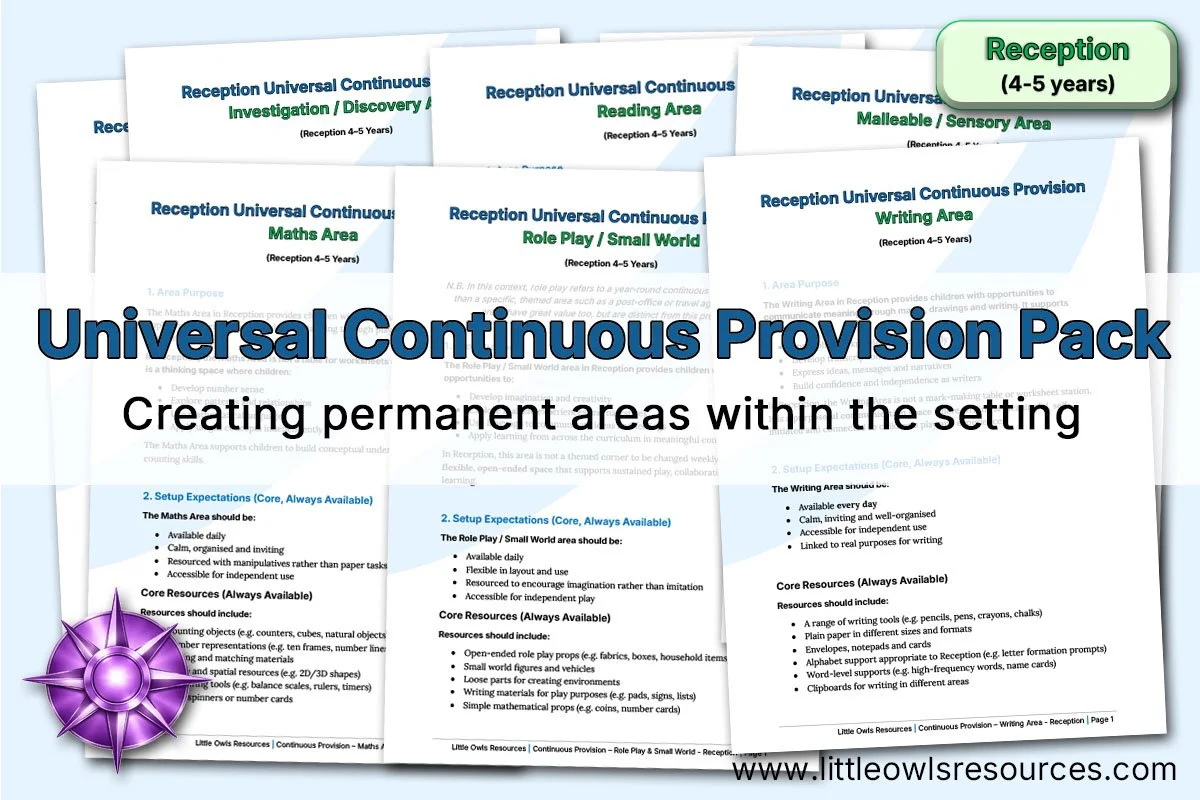
Professional Membership Contents (Reception 4-5 Years)
Below you will find listed the component documents of our ‘Reception Curriculum & Pedagogy Suite’. They are separated into Strands 1-10. You do not need to use everything all at once.
-
👉 This section is essential for alignment.
Reception Curriculum Overview & Rationale [Free Orienting Sample]
Reception Pedagogy Position Statement [Free Orienting Sample]
-
👉 Curriculum clarity and sequencing.
Reception Curriculum Progression Maps (all areas of learning)
Guide to Learning Progression: How to Use the Reception Curriculum Progression Maps
Progression Maps for:
Communication and Language
Personal, Social and Emotional Development
Physical Development
Literacy
Mathematics
Understanding the World
Expressive Arts and Design
Reception Curriculum Phase Framework
How To Use The Reception Curriculum Phase Pack
Phase 1: Settling & Foundations
Phase 2: Exploration & Early Application
Phase 3: Independence & Depth
Phase 4: Consolidation & Transition
-
-
👉 Stable, purposeful provision.
Universal Continuous Provision Pack (Areas listed below)
Construction
Creative
Investigation / Discovery
Maths
Reading
Role Play / Small World
Malleable / Sensory
Writing
Outdoor Continuous Provision (Reception)
-
👉 Light-touch, application-focused.
-
👉 Systematic teaching without Year 1 drift.
Phonics (Scheme-Compatible)
Phonics in Reception: Teaching, Application & Inclusion
Pedagogy
Adult-Led Session Guidance
Phonics in Provision
Supporting Children Not Keeping Up
Phonics & EYFSP
Scheme Compatibility Statement
Maths
Reception Maths Teaching Framework
Term by Tem Maths Concept Emphasis Map
Maths Adult-Led Mini Session Banks (9 Banks)
Maths Across the Curriculum & Provision
Maths & EYFSP Guidance
Writing
Reception Early Writing Purpose Pack
Writing Adult-Led Mini Session Bank (12 Sessions)
Fine Motor & Physical Development
Guidance Surrounding Foundations for Writing in Reception (4–5 Years)
-
👉 Precision language for application.
Theme-Based High-Impact Question & Vocabulary Banks
Leadership Rationale: Why Questions Differ by Age
-
👉 Statutory confidence with inclusive practice.
EYFSP Interpretation & Assessment Toolkit
ELG Unpacking
Best-Fit Exemplification
Moderation Guidance
Reception SEND & Inclusion Toolkit
The graduated response (Universal → Targeted → Specialist)
Adaptations across phonics, maths & writing
Visual Communication Pack
Language-first strategies for inclusion
Observation, assessment and SEND
Collaborative working with families and specialists
Referral Preparation — for EHCP pathway
Reception APDR Template
Leadership and inspection readiness
-
👉 Leadership assurance.
Reception Leadership & Inspection Readiness Pack
Curriculum Intent & Implementation Guidance
Ofsted Conversation Prompts
-
👉 Clear communication beyond the classroom.
Additional Whole-Setting Guidance | for Professional Members
Explore our whole-setting guidance below, including overarching curriculum and pedagogy documents, early years schemas and EYFS setting policies.
-
-
Early Years Schemas - Practitioner Toolkit | EYFS Birth-5
↪ Schema Cards (definition, behaviours, age-related examples, enabling resources)
↪ Schema Observation & Responsive Provision Planning Template
-
EYFS Group Setting Policies Pack
↪ x 22 Policy Documents
↪ Policy Sign-Off and Confirmation Document
↪ EYFS Setting Policy Folder Contents List
Childminder Setting Policies Pack
↪ x 22 Policy Documents
↪ Childminder Assistant or Volunteer Policy Sign-Off and Confirmation Document
↪ Childminder Policy Folder Contents List
-
↪ Clear, practitioner-friendly explanations of key curriculum and pedagogy terms used throughout our guidance.
Looking for a different age group pathway?
Select the pathway that best reflects your role or the age group you work with. You do not need to use everything. (Some practitioners may use more than one pathway.)
Latest EYFS Articles & Practical Guides | From Our Blog
Stay informed, get expert advice, and find inspiration from our collection of articles and useful external resources, tailored specifically for EYFS practitioners. We regularly publish in-depth articles to support you with current best practices, regulatory changes, and fresh ideas.



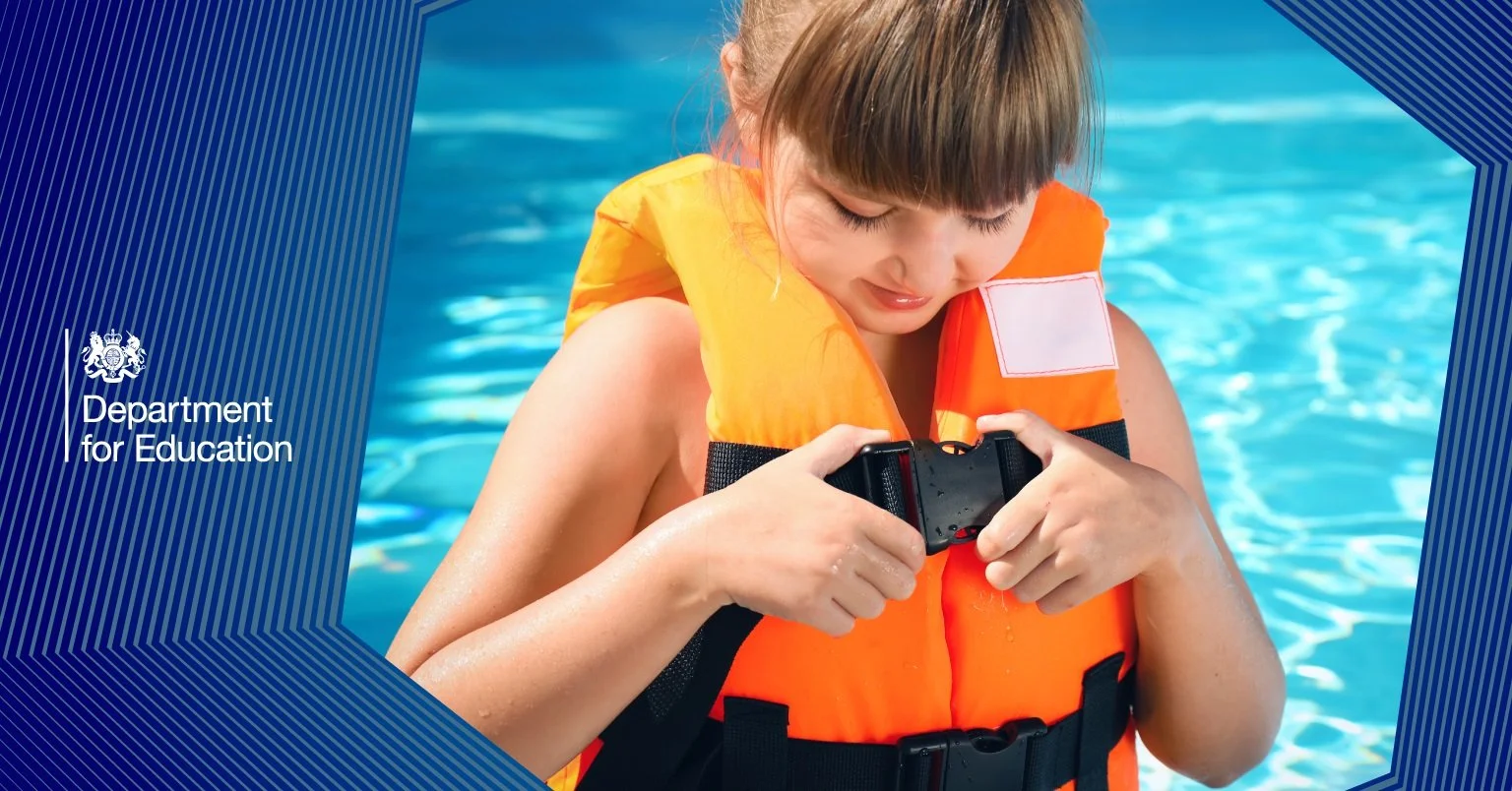

Are you looking for a specific resource or document for your provision?
Use our 🔍 Search Bar located at the top of every page.
___________________________
Content within the EYFS Curriculum & Pedagogy Membership is provided as professional guidance and support. It reflects current understanding of the EYFS statutory framework, Development Matters and inspection expectations at the time of writing. Practitioners are responsible for applying professional judgement and ensuring practice aligns with current statutory requirements and their specific context. All resources, experiences and environment arrangements must be risk assessed by the setting and used in accordance with individual children’s developmental stages, needs and supervision requirements.
Safeguarding content does not replace a setting’s safeguarding and child protection policy or the statutory role of the Designated Safeguarding Lead (DSL). All concerns must be managed in line with current statutory guidance and local safeguarding procedures.
_____________________________