
Part of the EYFS Glossary
This article forms part of our EYFS Glossary of Early Years Education Terms, which explains key curriculum, pedagogy, and assessment language used in early years practice.
Sensory Integration refers to the way the brain organises and responds to sensory information, allowing individuals to make sense of their environment and respond appropriately.
What is Sensory Integration?
Sensory integration describes how the brain processes and organises information received through the senses. While sensory development involves experiencing and developing the senses, sensory integration focuses on how those sensory inputs are combined and used to guide behaviour, movement, and responses.
This process allows children to interpret sensory information and respond in ways that are appropriate to the situation.
Sensory Integration in Early Childhood
In early childhood, sensory integration is still developing. Young children are learning how to manage and respond to different types of sensory input.
For example, children may be learning to:
respond to sounds in their environment
adjust movement and balance
manage reactions to different textures
coordinate actions based on sensory information
These processes develop over time as children gain experience and interact with their environment.
How Sensory Integration Differs from Sensory Development
Although closely related, sensory development and sensory integration refer to different aspects of learning.
Sensory Development focuses on how children use and develop their senses
Sensory Integration focuses on how the brain organises and responds to sensory input
Both processes are important and work together to support children’s overall development.
Sensory Integration in Early Years Practice
In early years settings, practitioners support sensory integration by providing a range of sensory experiences and allowing children to explore and respond to them.
This may include:
opportunities for movement and physical play
exploration of different textures and materials
environments that balance sensory stimulation
supporting children in managing sensory experiences
observing how children respond to sensory input
These approaches help children develop their ability to process and respond to sensory information.
Sensory Integration and Children’s Development
Sensory integration supports development across several areas, including:
physical coordination and movement
attention and focus
emotional responses
interaction with the environment
As children develop sensory integration, they become more able to respond appropriately to different situations and experiences.
Common Questions About Sensory Integration
-
Sensory integration helps children make sense of their environment and respond appropriately to sensory information.
-
No. Children may respond differently to sensory input, and some may need additional support to process sensory experiences.
-
Practitioners can support sensory integration by providing varied sensory experiences and observing how children respond to different types of input.
Summary
Sensory Integration refers to how the brain organises and responds to sensory information. In early years contexts, it supports children in making sense of their environment and responding to experiences in appropriate ways.
Related Glossary Terms
The following glossary entries are closely related to Sensory Integration and provide additional context:
Further Guidance | Related Documents within our ‘EYFS Curriculum & Pedagogy’ suite:
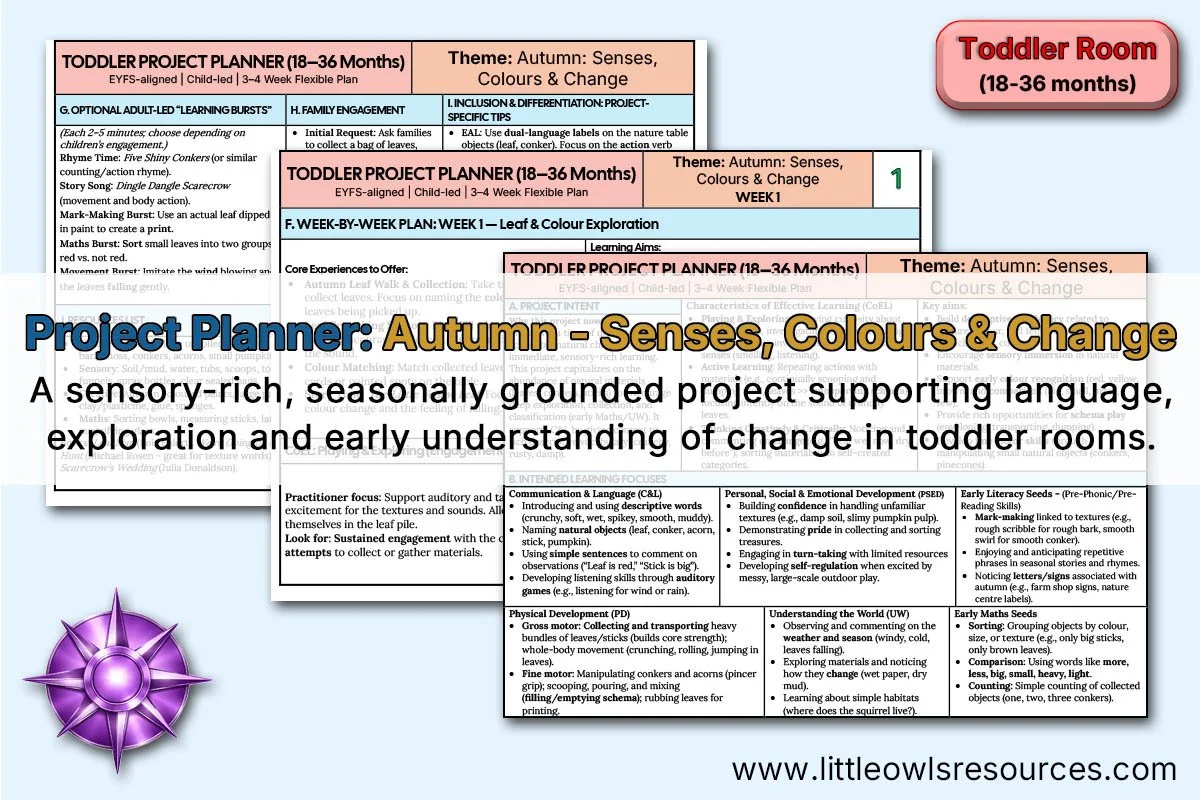
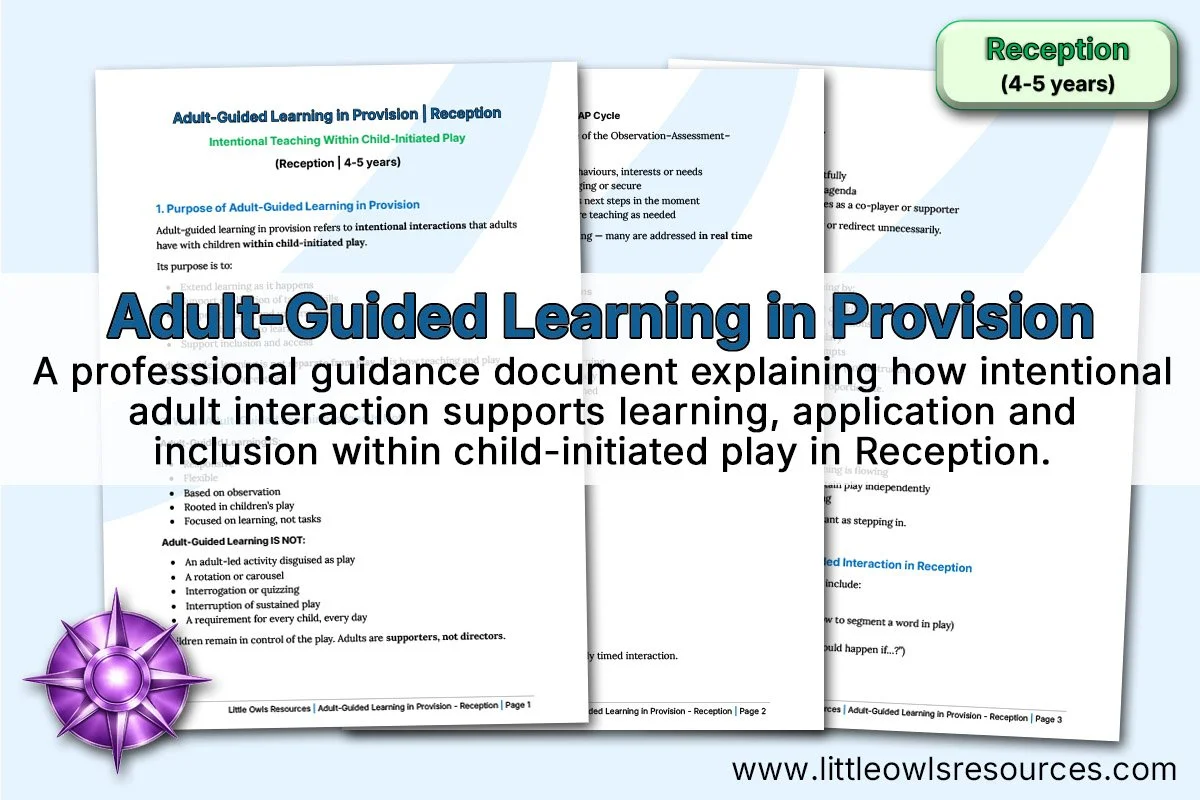
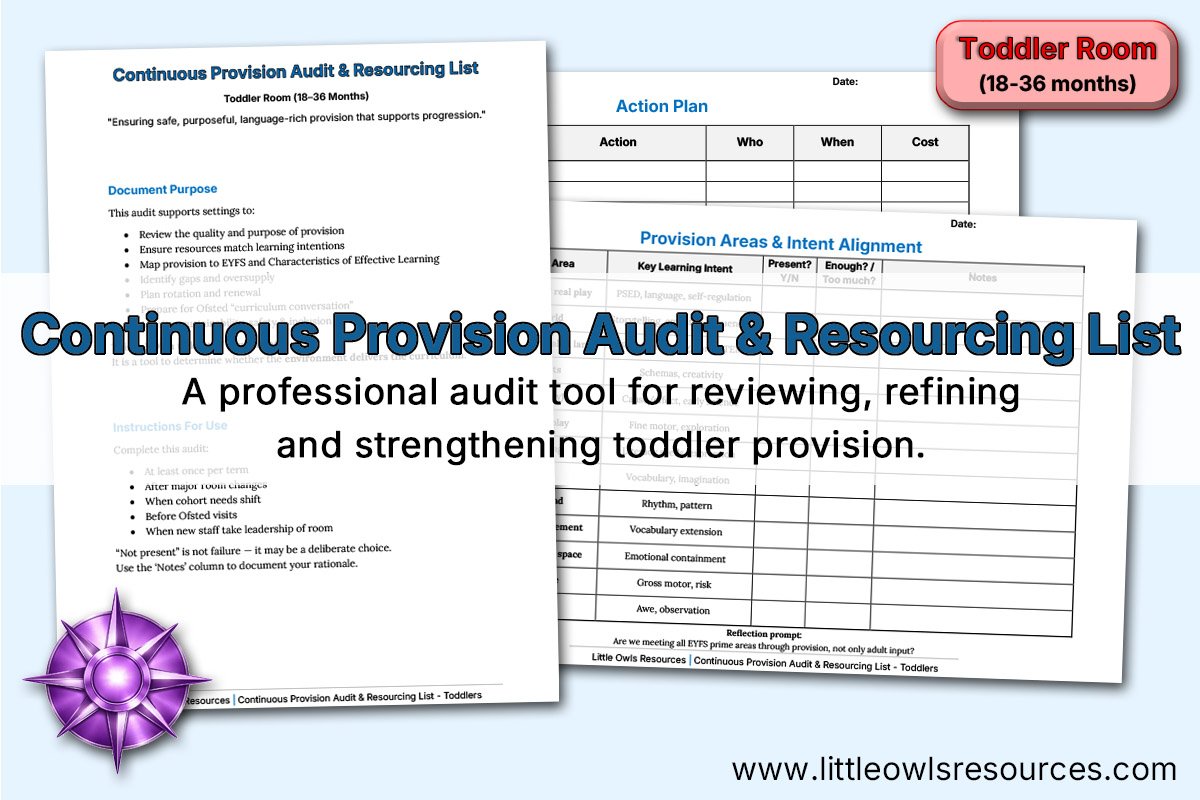
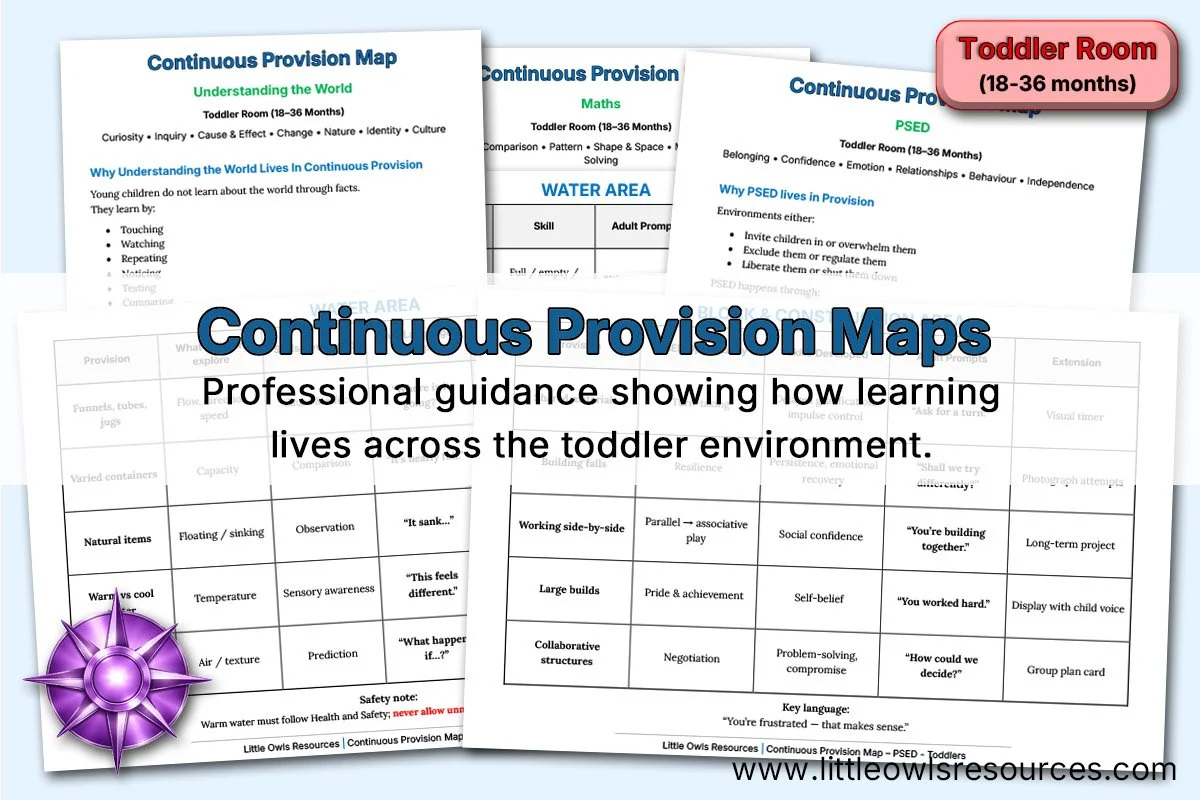
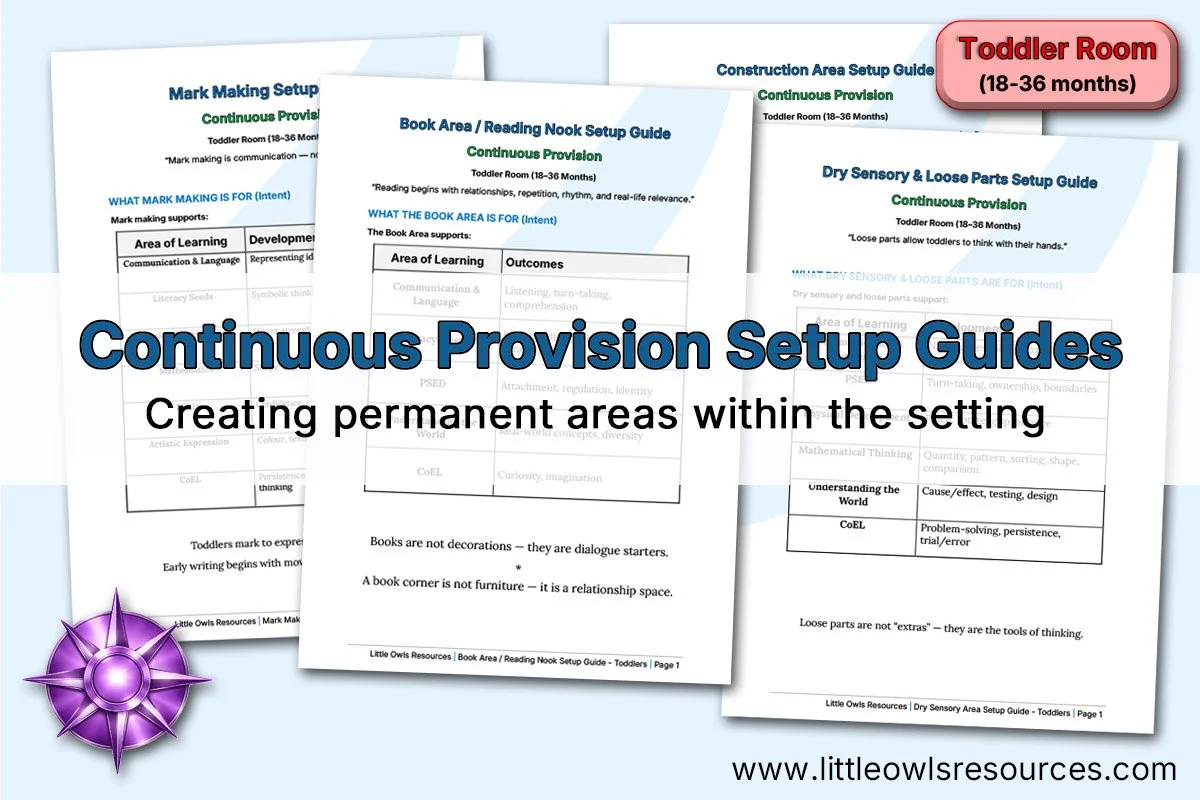
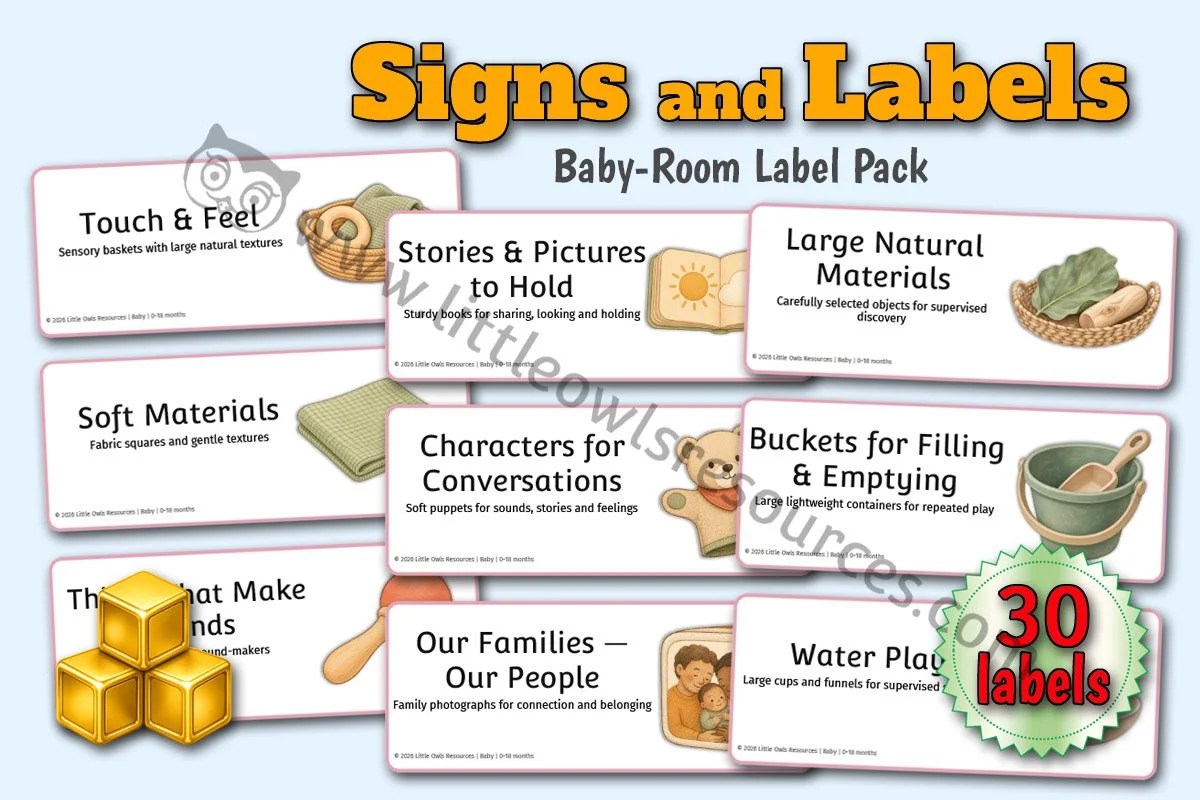
Below you will find a selection of guidance documents from within our Little Owls Resources ‘Curriculum & Pedagogy’ area which explore this concept (& its age-specific application within EYFS settings) in greater depth.
[For additional documents please visit our support pathways: Baby | Toddler | Preschool | Reception | Mixed-Age]

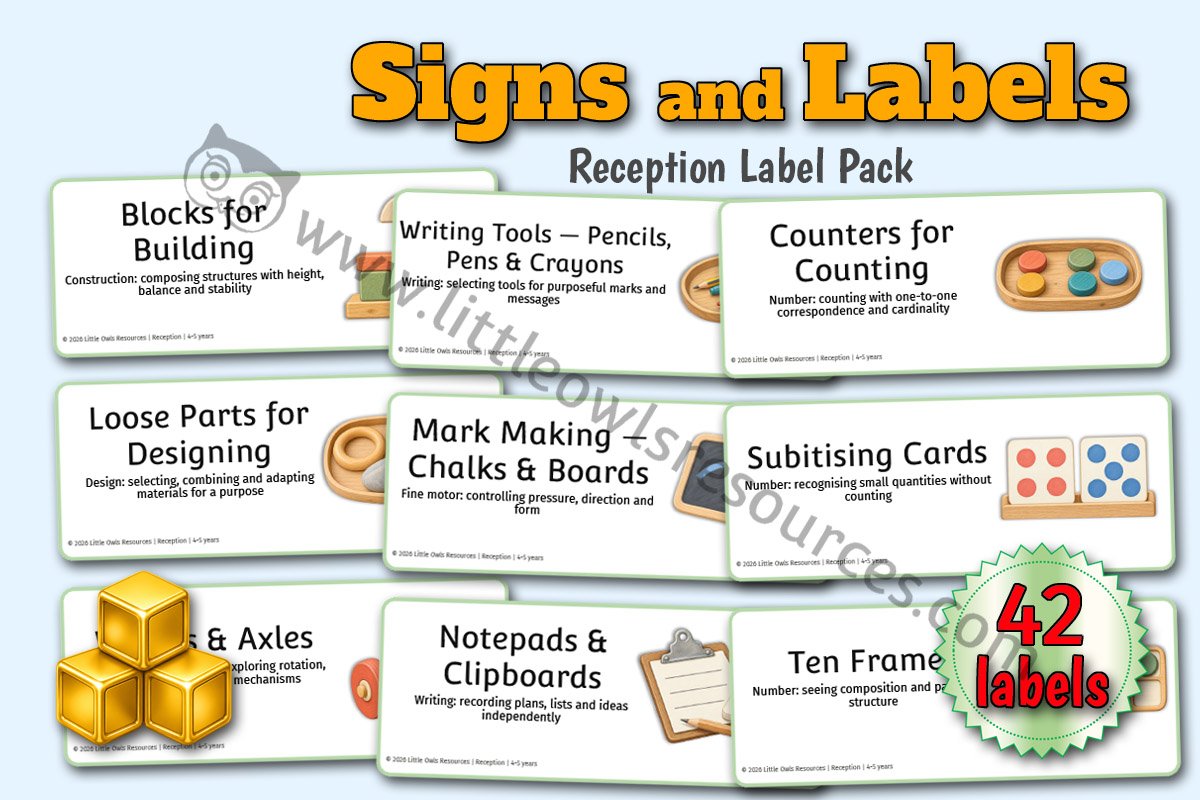





Further Guidance | Related Resources within our ‘Printable Provision’ area:
Disclaimer
The information provided in this glossary is intended to support understanding of terminology commonly used within the Early Years Foundation Stage (EYFS). It does not constitute official guidance and should not be considered a substitute for the EYFS Statutory Framework or other Department for Education publications.
Terminology and interpretations may vary between settings and professional contexts.