
Part of the EYFS Glossary
This article forms part of our EYFS Glossary of Early Years Education Terms, which explains key curriculum, pedagogy, and assessment language used in early years practice.
Guided Play refers to play-based learning experiences where children lead the activity, but adults intentionally support and extend learning through interaction, environment, or subtle guidance.
What is Guided Play?
Guided play describes a form of learning in which children remain actively engaged in play, while adults support learning through intentional and responsive interaction.
In guided play, children typically choose the activity or direction of play, but practitioners may influence the learning by:
shaping the environment
introducing resources
engaging in conversation
extending ideas through interaction
This approach allows children to remain motivated and engaged while benefiting from adult support that helps deepen learning.
Key Characteristics of Guided Play
Guided play often includes:
child-initiated or child-directed activity
adult involvement that supports or extends learning
open-ended exploration and play
flexible learning outcomes rather than fixed tasks
opportunities for problem-solving and thinking
These characteristics allow learning to develop naturally within play while still being supported by the adult.
Guided Play in Early Years Practice
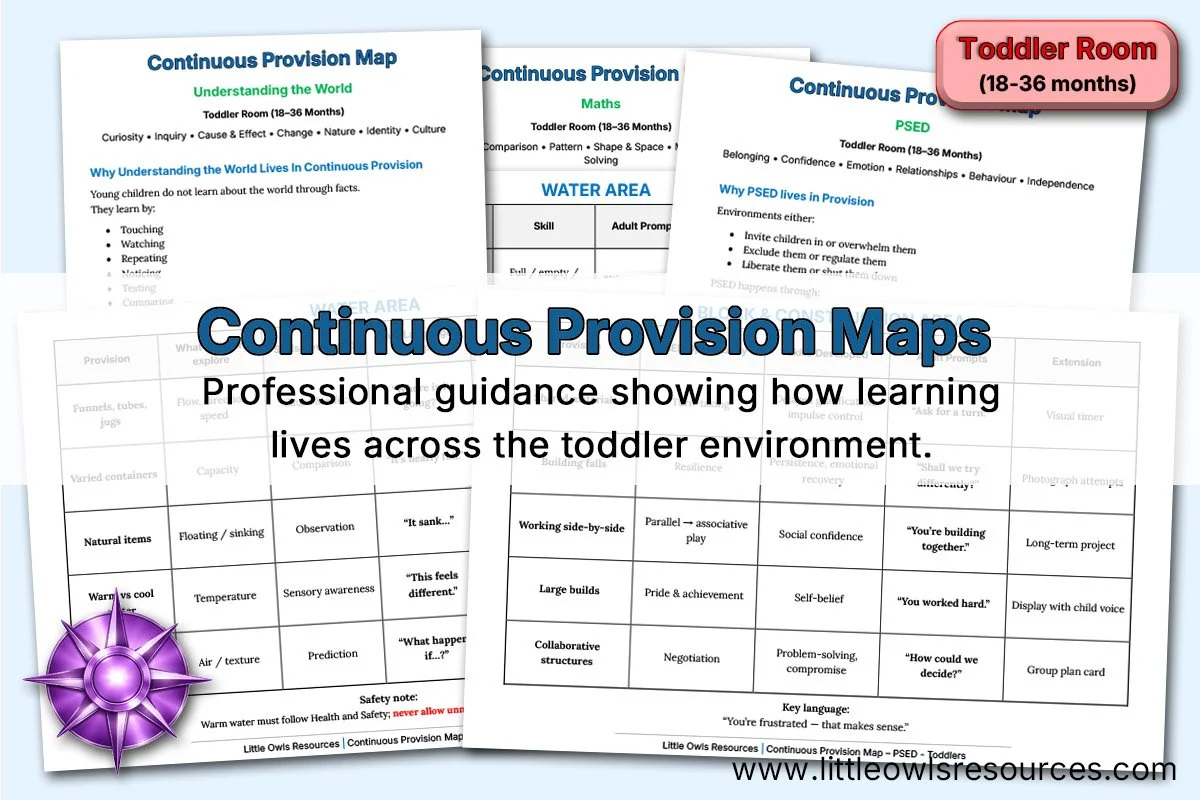
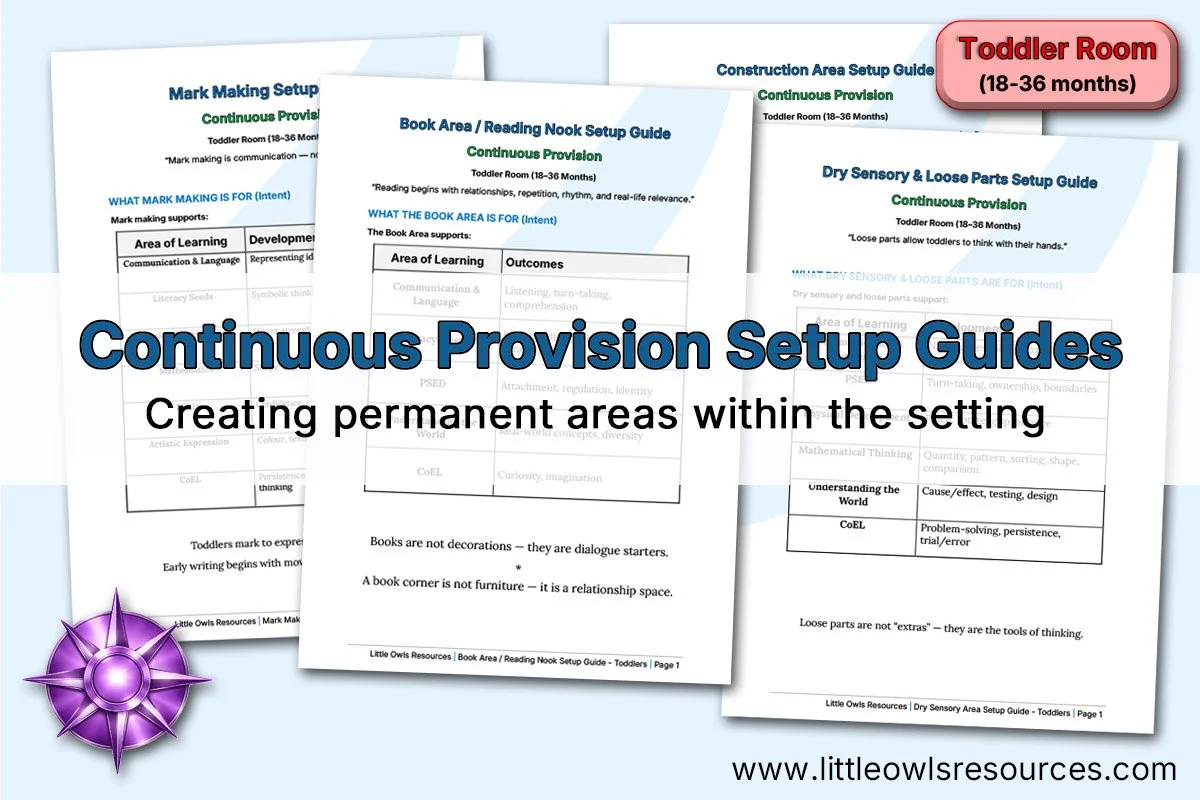
In early years settings, guided play may occur within continuous provision, small group activities, or shared play experiences.
For example, a practitioner might:
join a child’s play and introduce new vocabulary
suggest a new idea or possibility within a play scenario
support problem-solving during construction play
extend a child’s thinking through conversation
These interactions help deepen children’s understanding while maintaining the play-based nature of the experience.
The Role of the Adult in Guided Play
The adult plays an important role in guided play by observing, responding, and interacting in ways that support learning.
This may involve:
recognising opportunities to extend learning
modelling language or thinking
asking open-ended questions
supporting children to reflect or solve problems
The adult does not control the activity but works alongside the child to support development.
Guided Play and Other Pedagogical Approaches
Guided play sits between child-led learning and adult-led learning.
In child-led learning, children control the direction of play with minimal adult input.
In adult-led learning, the practitioner plans and directs the activity.
In guided play, children lead the activity while the adult supports and extends learning.
This makes guided play a flexible approach that combines elements of both independence and support.
Common Questions About Guided Play
-
Guided play is closely related to adult-guided learning. However, guided play specifically emphasises play as the context for learning, with children leading the activity.
-
Practitioners may prepare environments or resources, but the direction of the play is usually led by the child.
-
Guided play supports engagement, motivation, and exploration while allowing practitioners to extend children’s thinking and development.
Summary
Guided play refers to play-based learning experiences where children lead the activity while adults support and extend learning through interaction, environment, and responsive guidance. It combines the benefits of child-led exploration with intentional adult support.
Related Glossary Terms
The following glossary entries are closely related to Guided Play and provide additional context:
Further Guidance | Related Documents within our ‘EYFS Curriculum & Pedagogy’ suite:
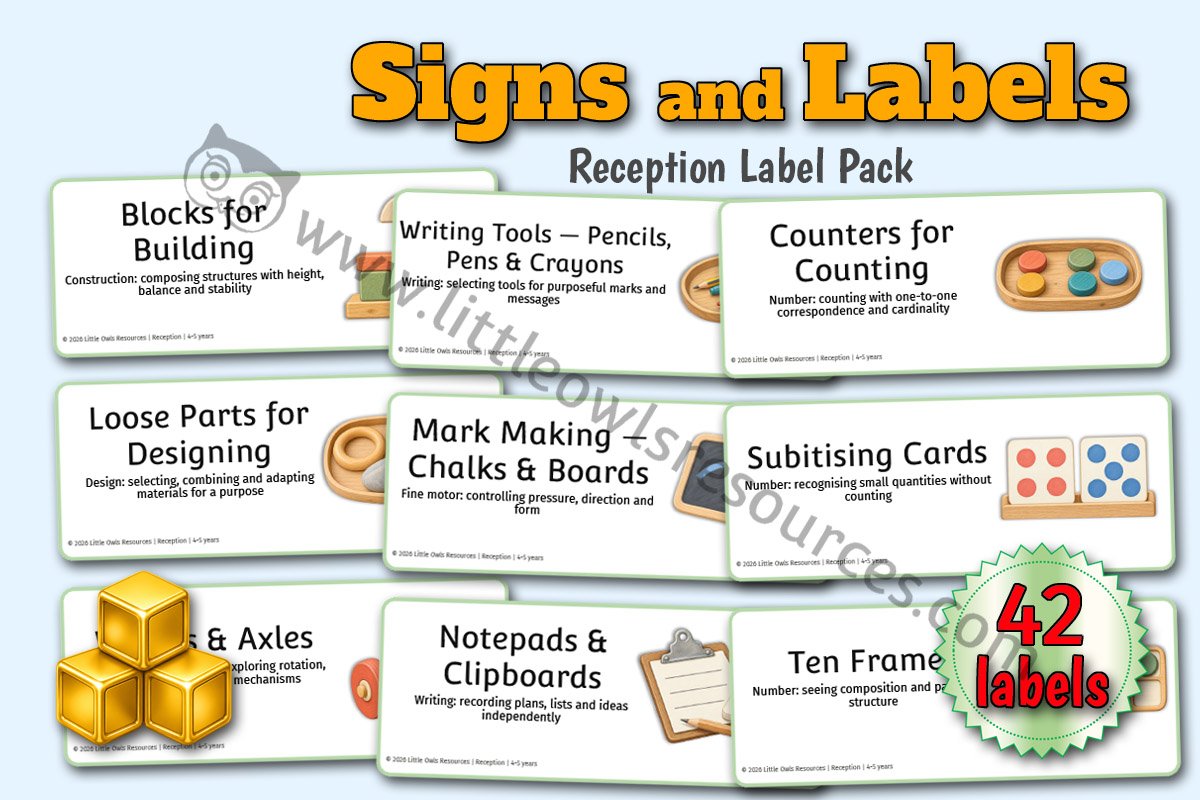
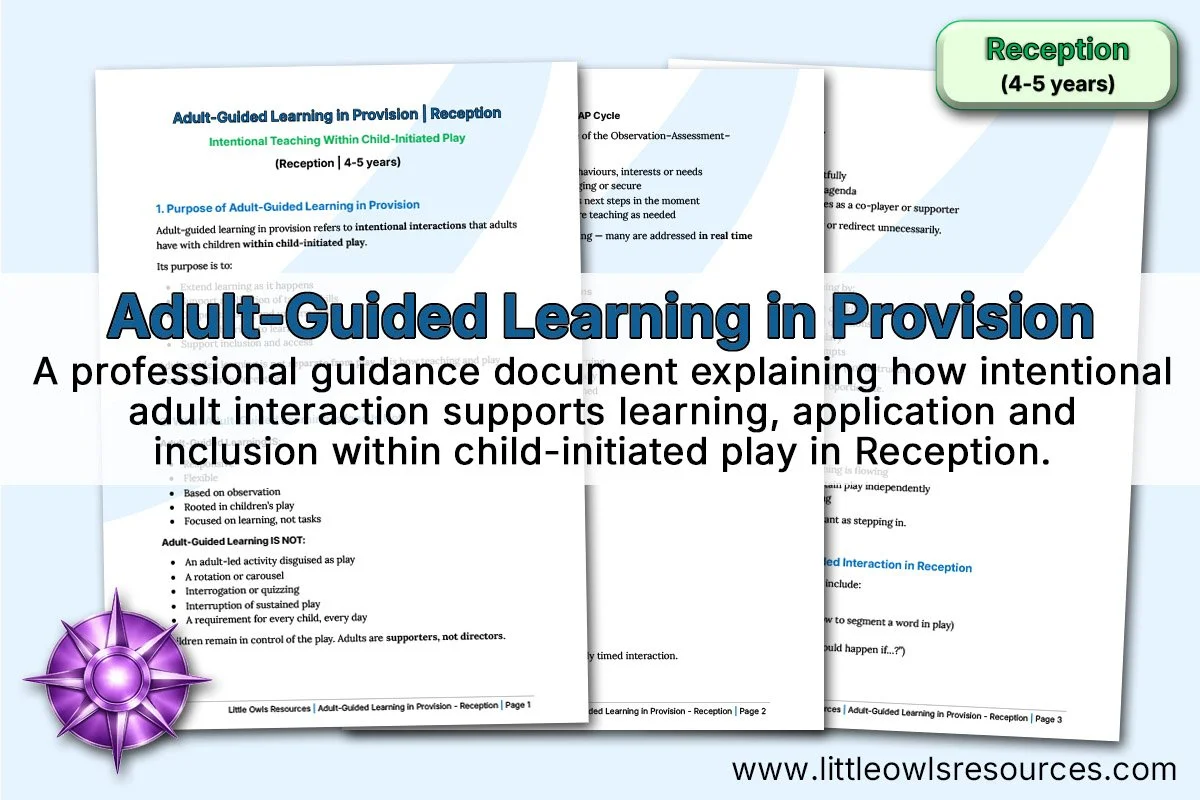
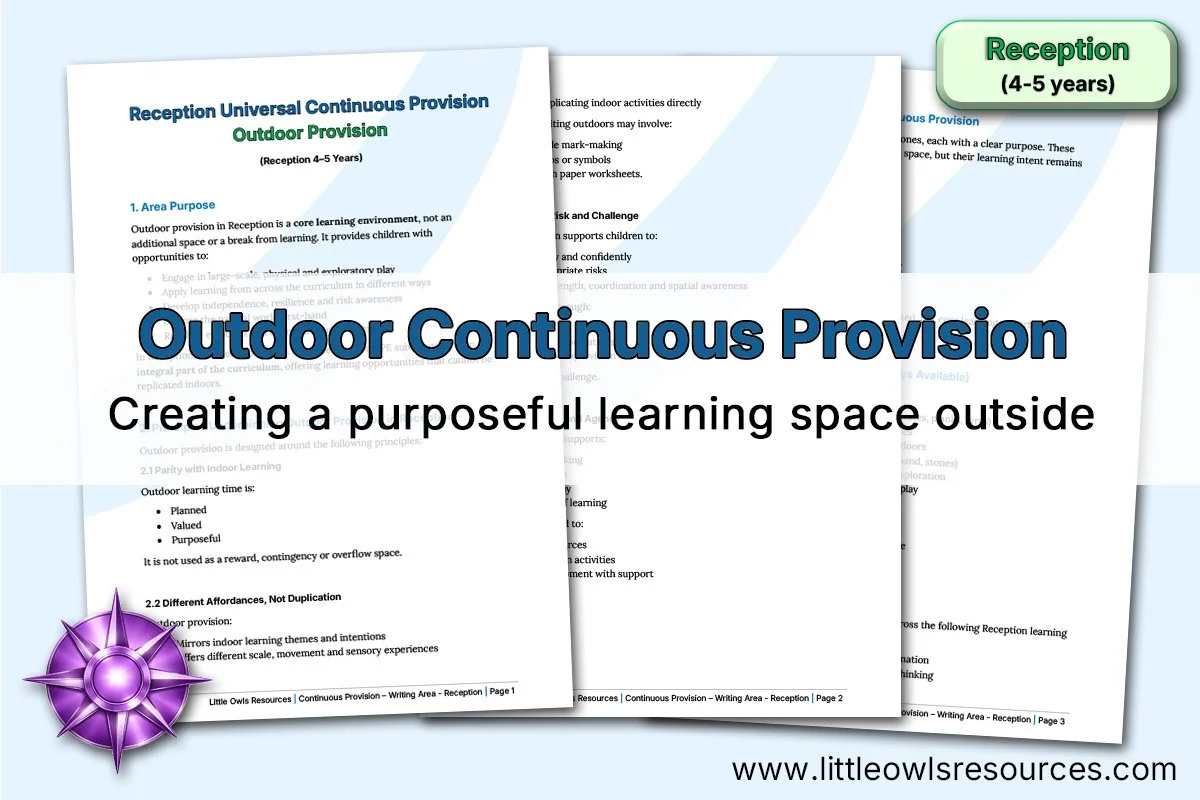
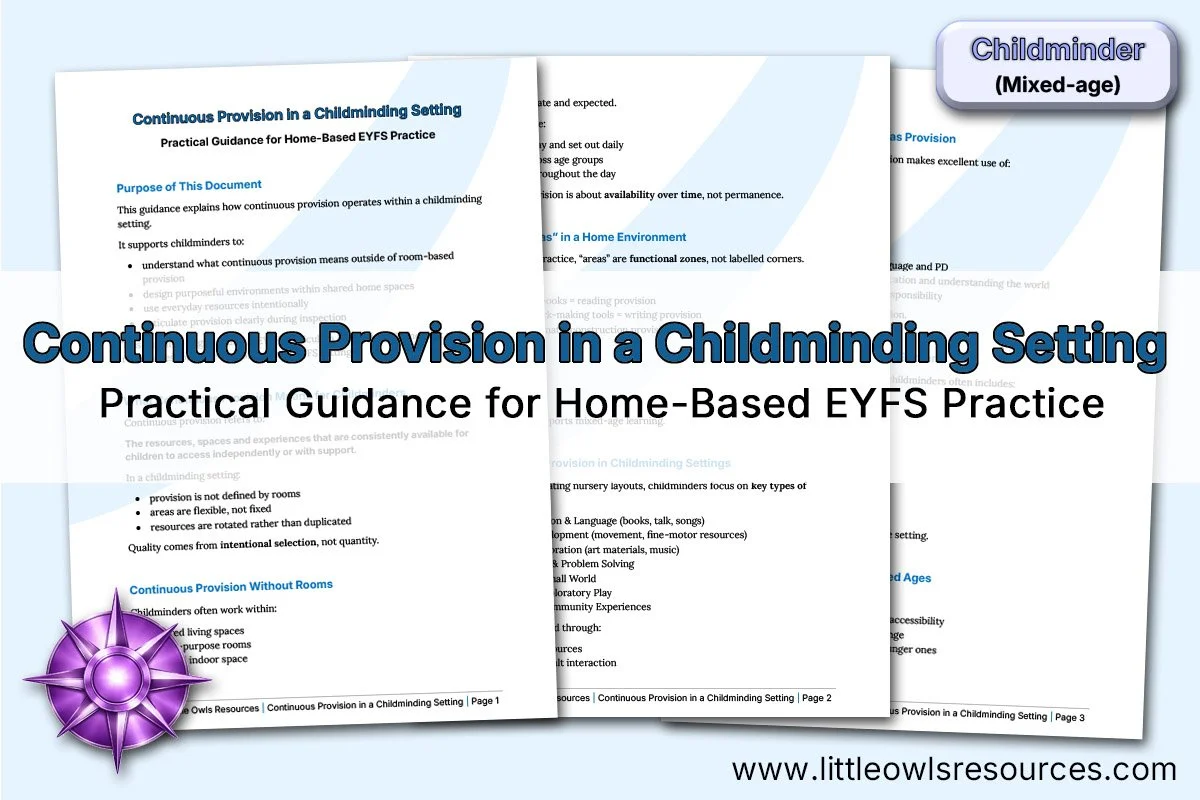
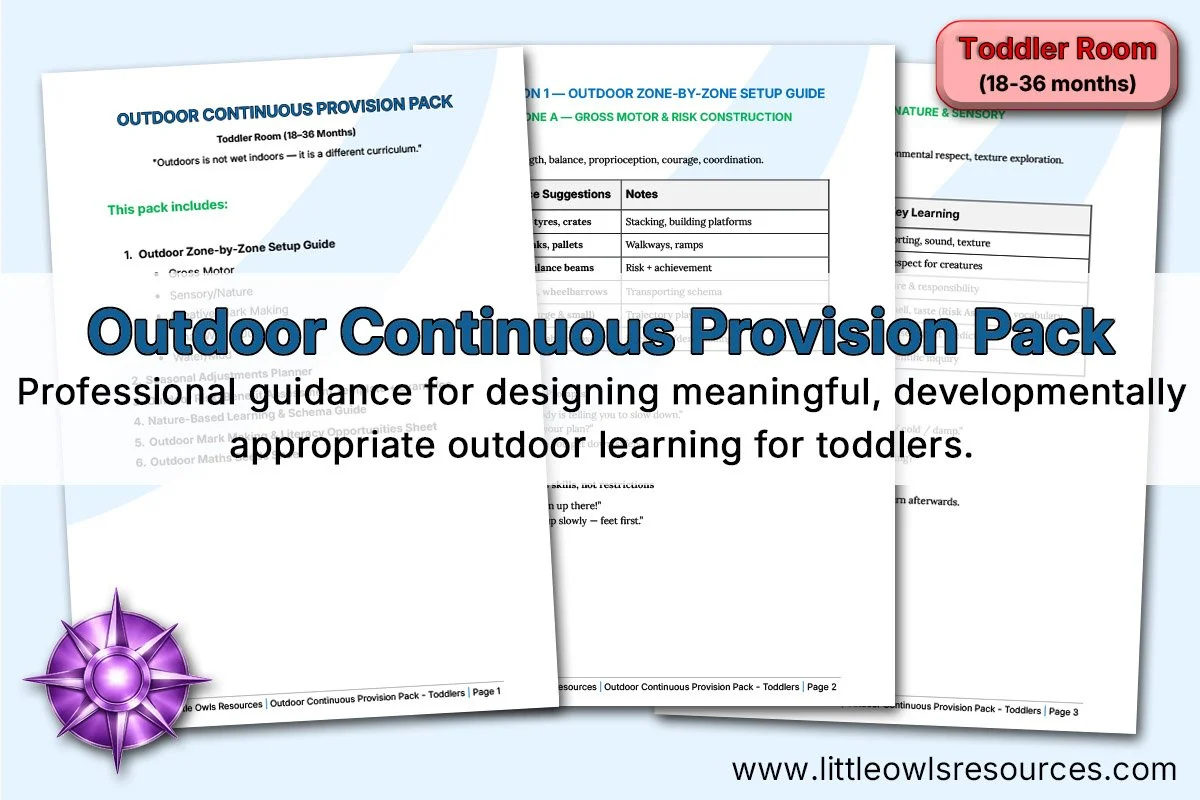
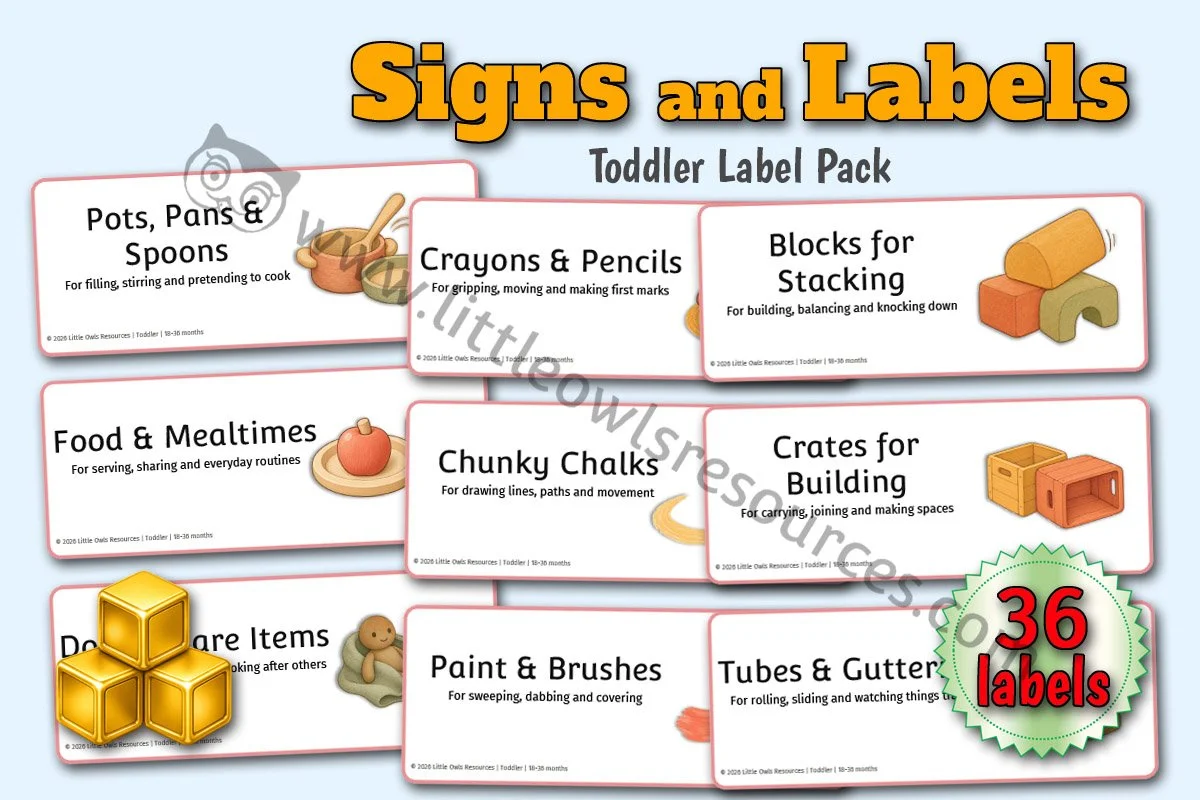
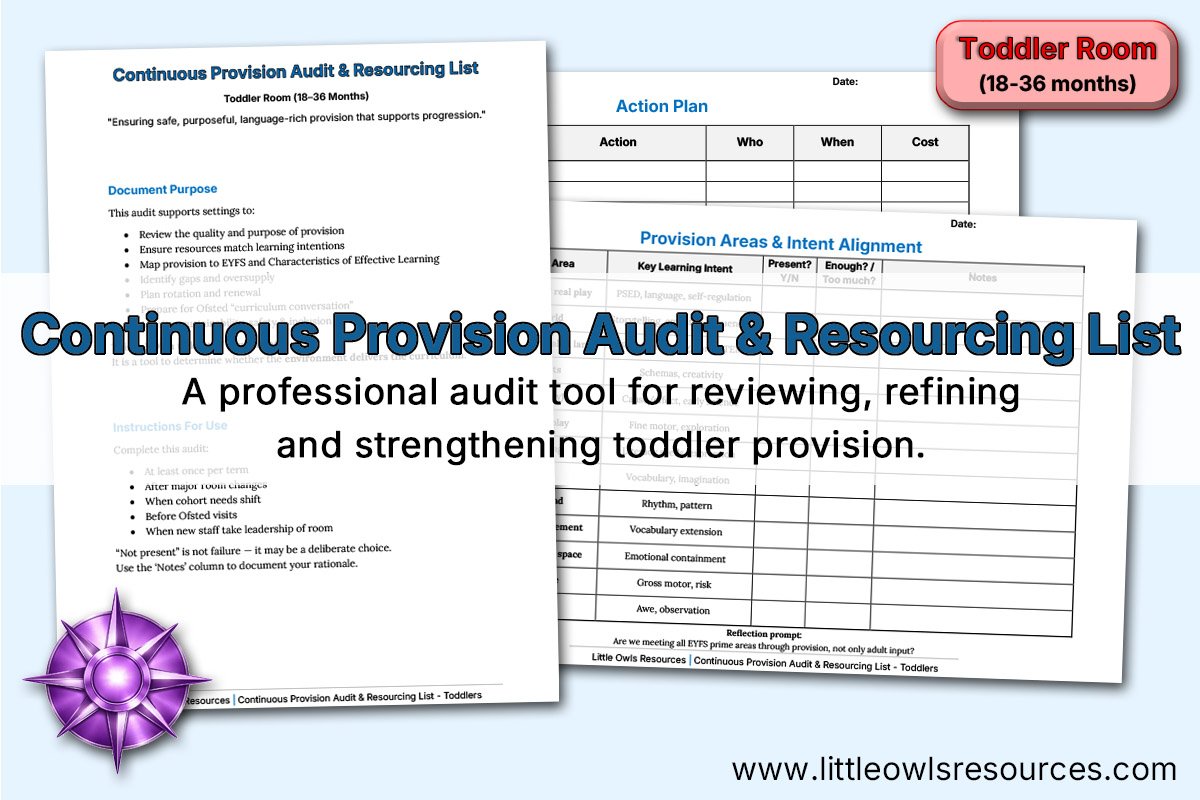
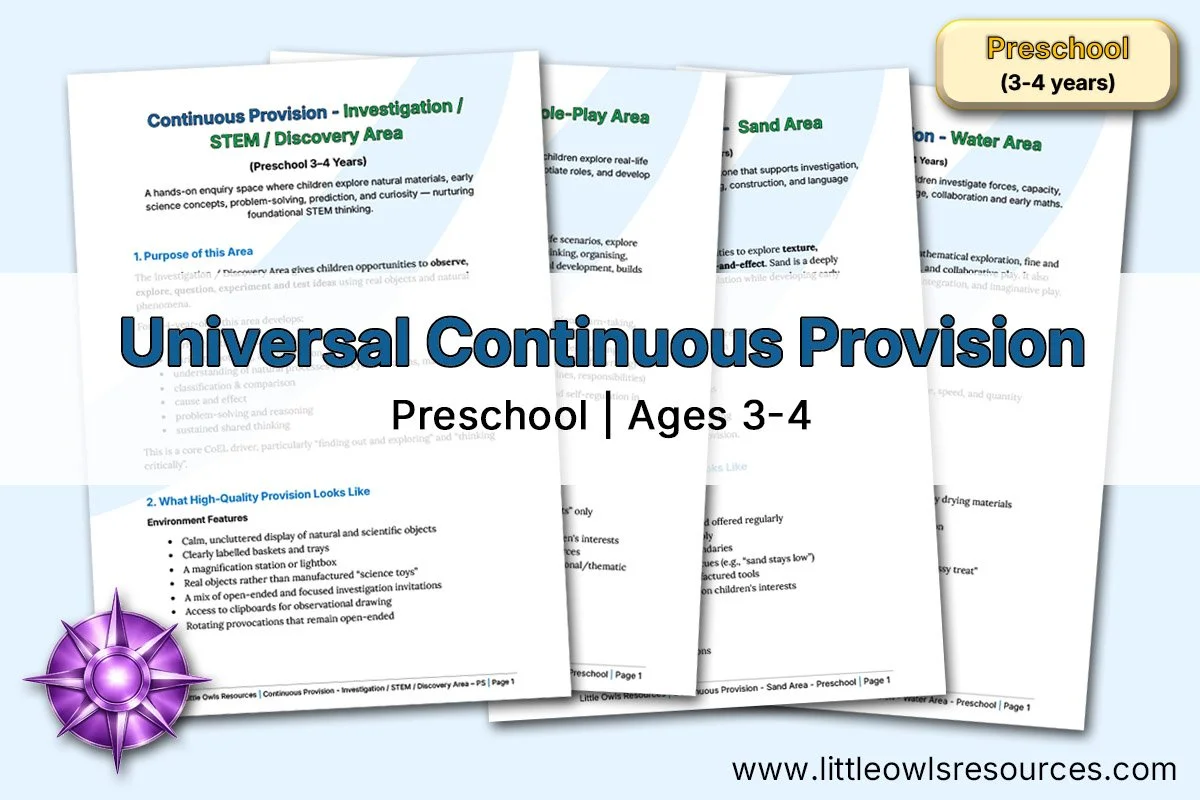
Below you will find a selection of guidance documents from within our Little Owls Resources ‘Curriculum & Pedagogy’ area which explore this concept (& its age-specific application within EYFS settings) in greater depth.
[For additional documents please visit our support pathways: Baby | Toddler | Preschool | Reception | Mixed-Age]
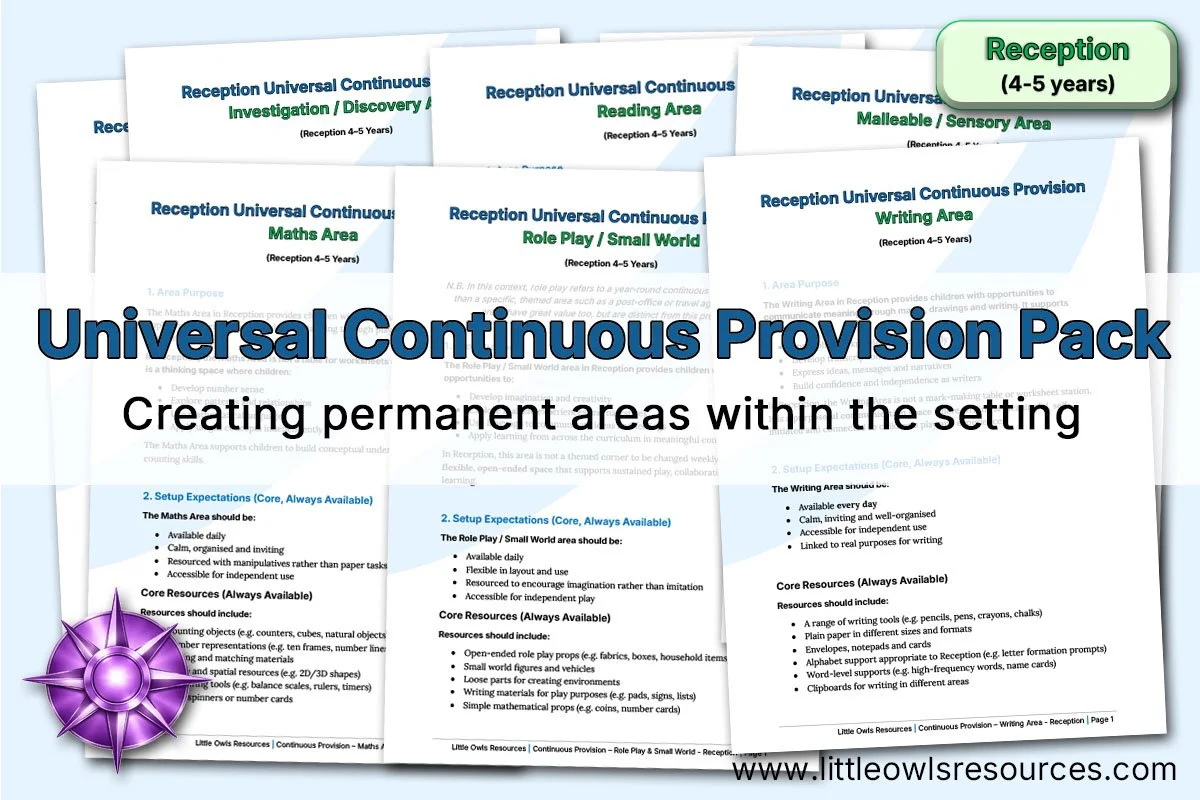
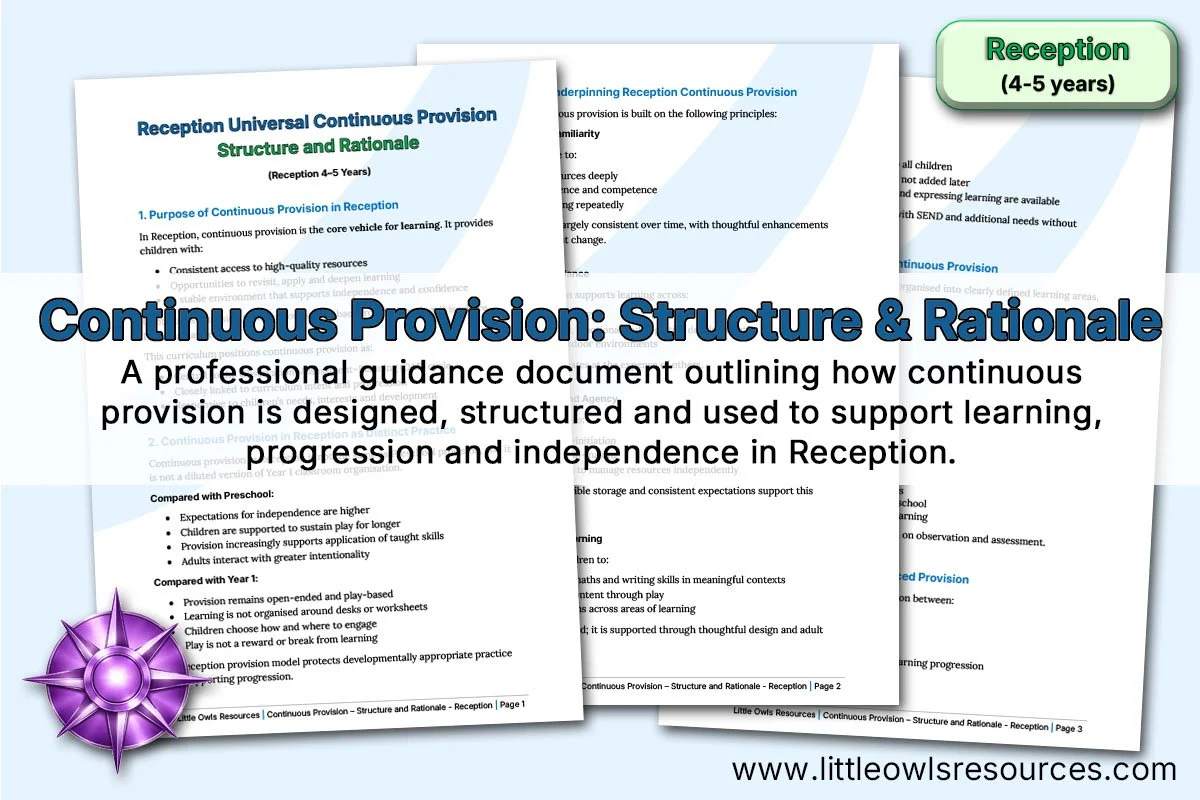
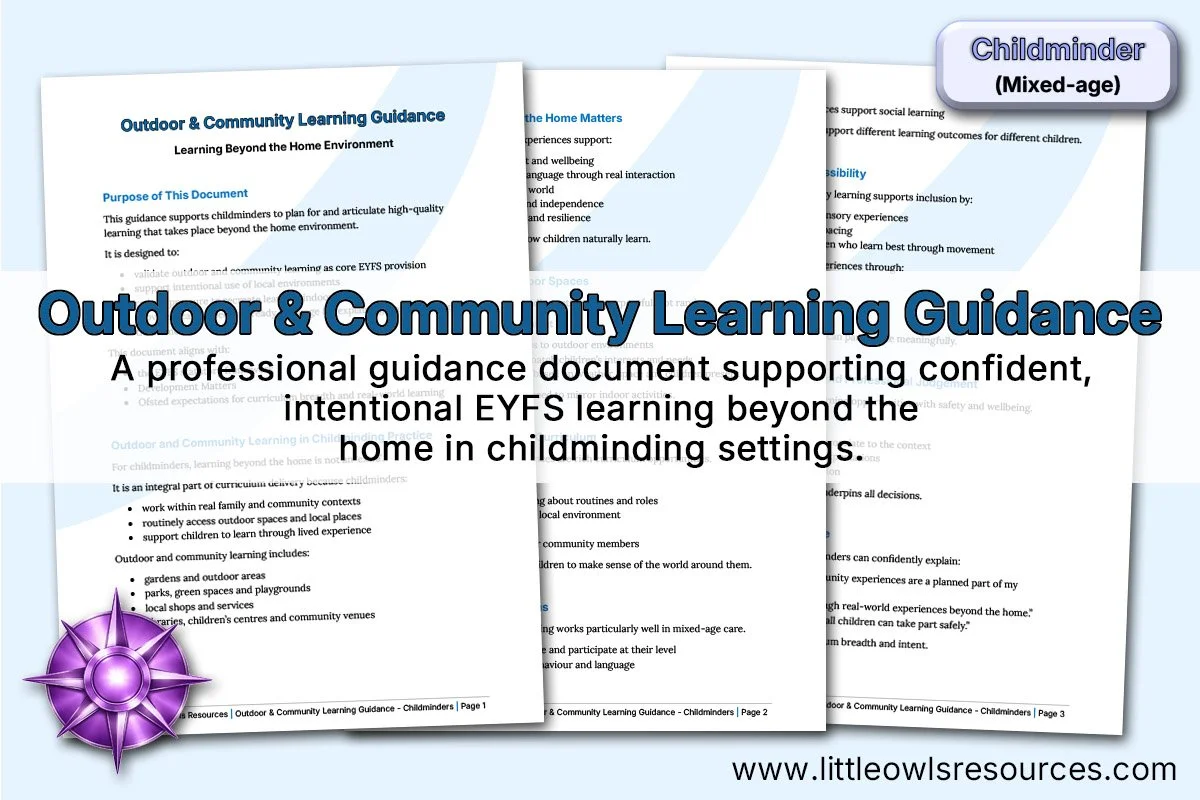
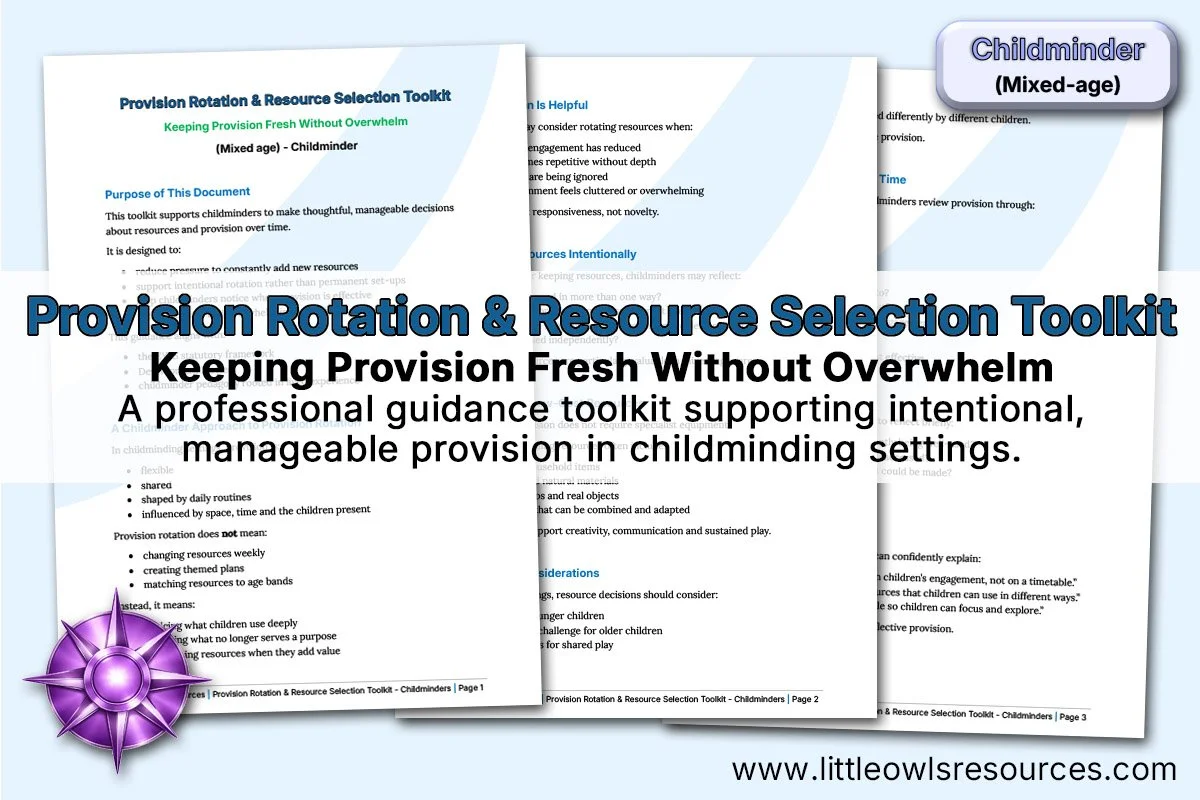





Further Guidance | Related Resources within our ‘Printable Provision’ area:
Disclaimer
The information provided in this glossary is intended to support understanding of terminology commonly used within the Early Years Foundation Stage (EYFS). It does not constitute official guidance and should not be considered a substitute for the EYFS Statutory Framework or other Department for Education publications.
Terminology and interpretations may vary between settings and professional contexts.