
Part of the EYFS Glossary
This article forms part of our EYFS Glossary of Early Years Education Terms, which explains key curriculum, pedagogy, and assessment language used in early years practice.
The Prime Areas are three areas of learning within the Early Years Foundation Stage (EYFS) that support children’s early development and form the foundations for learning in the early years.
What are the Prime Areas?
The Prime Areas are three areas of learning within the Early Years Foundation Stage (EYFS) that support children’s early development. These areas focus on the skills and experiences that are particularly important during the earliest stages of learning.
The Prime Areas underpin children’s development and help provide the foundations for learning in other areas of the curriculum.
In early childhood, development in these areas is closely connected. For example, communication skills, emotional development, and physical wellbeing often develop together as children explore their environment and interact with others.
The Three Prime Areas
The EYFS identifies three Prime Areas of learning.
Communication and Language
Communication and Language focuses on children’s developing ability to listen, understand language, and express themselves through speech and interaction.
Physical Development
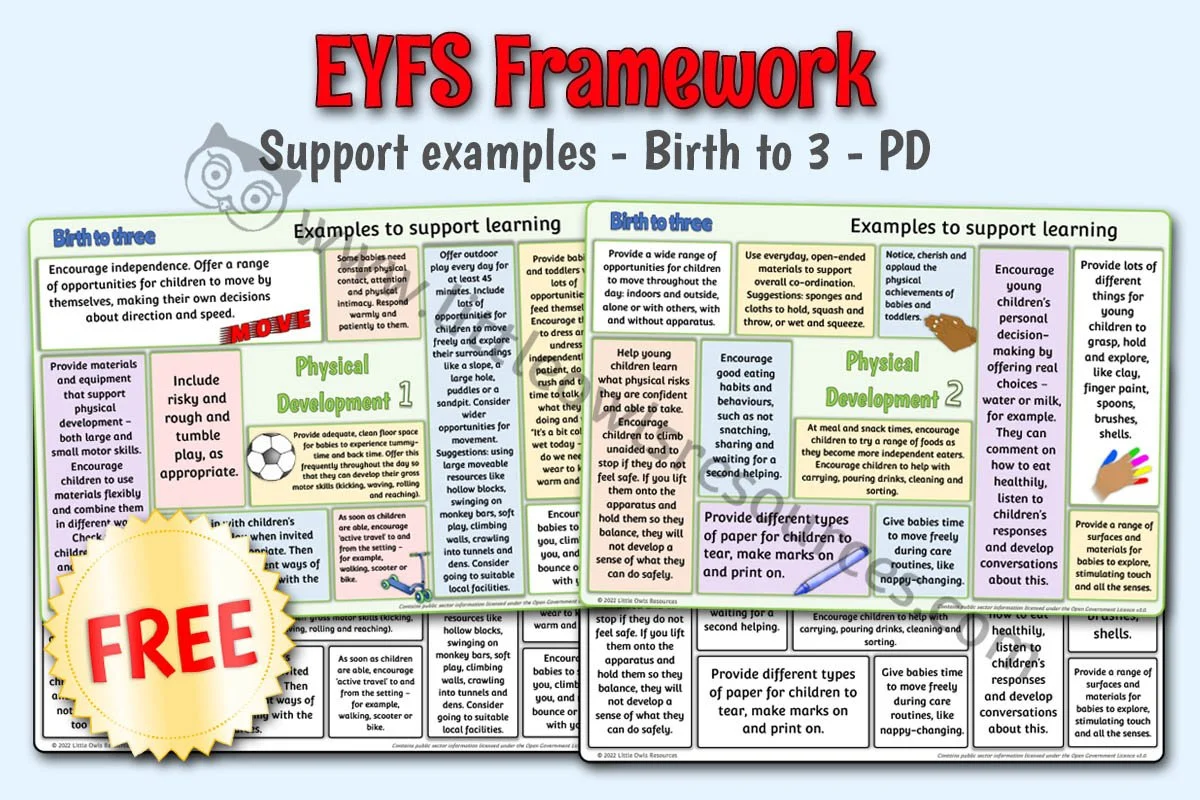
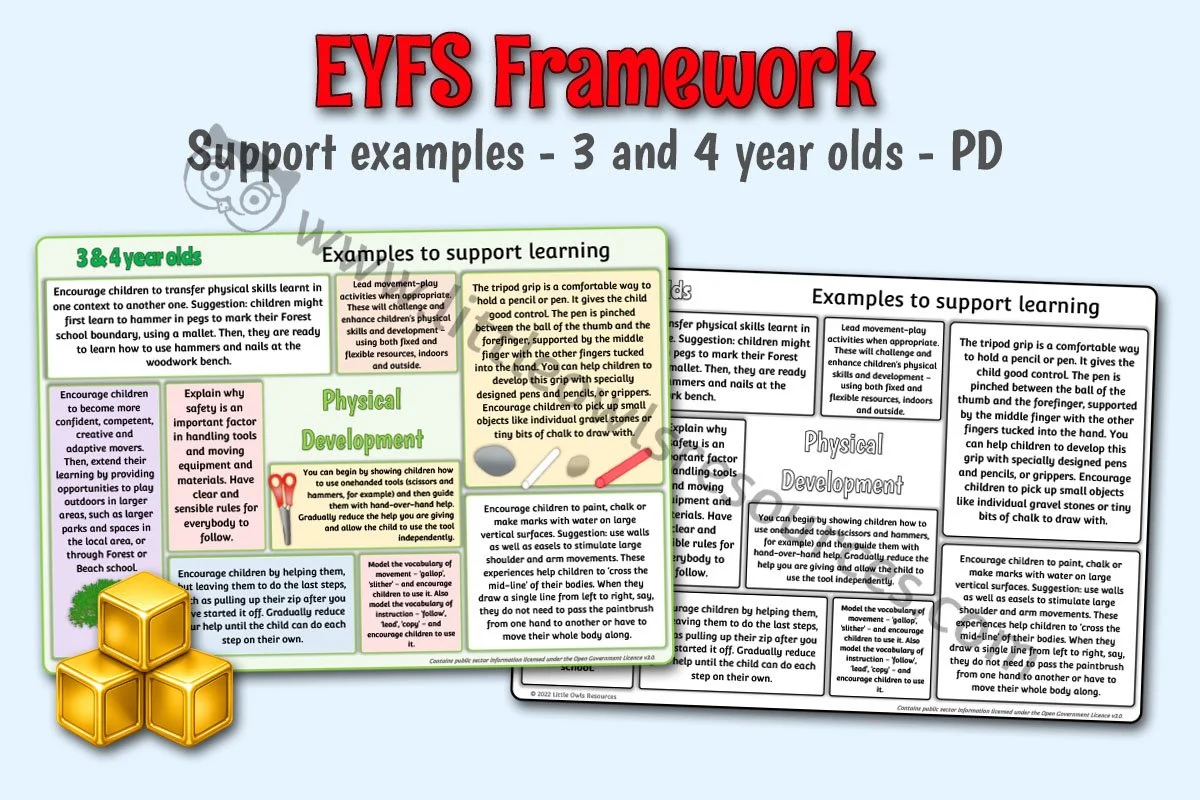
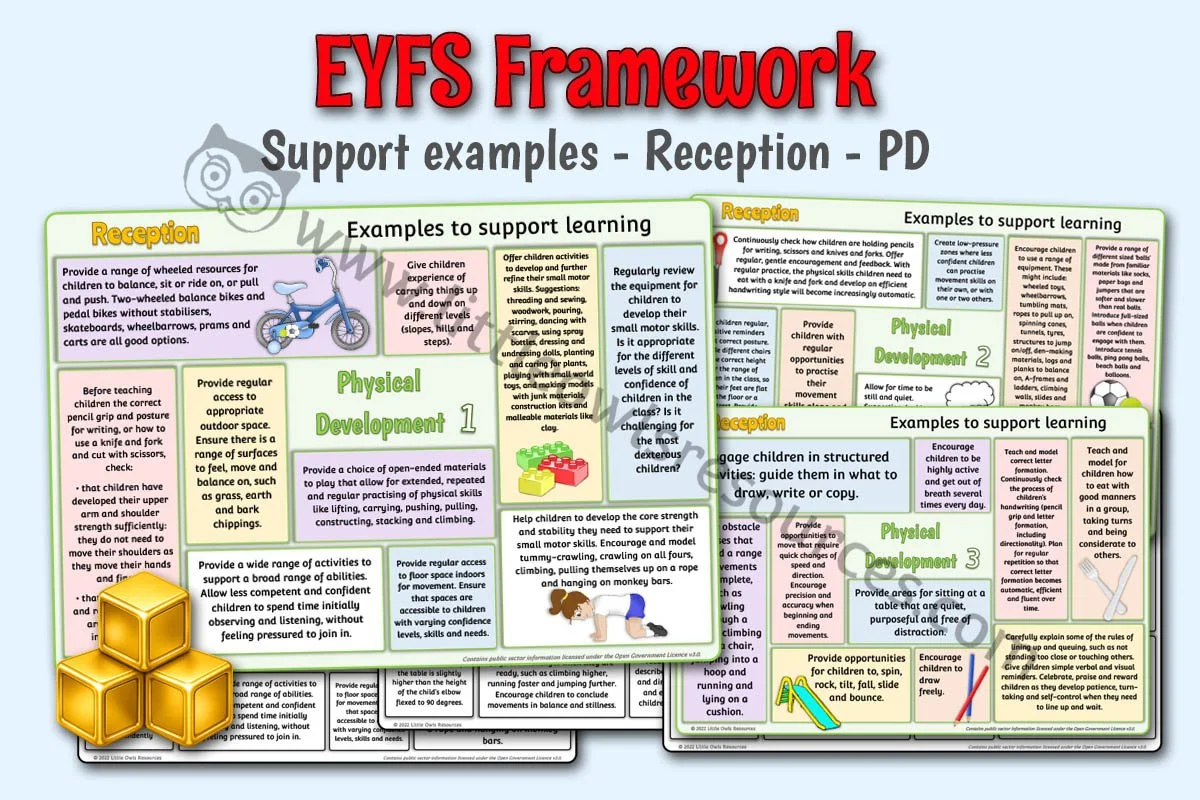
Physical Development relates to children’s growing control of their bodies, coordination, movement, and health.
Personal, Social and Emotional Development
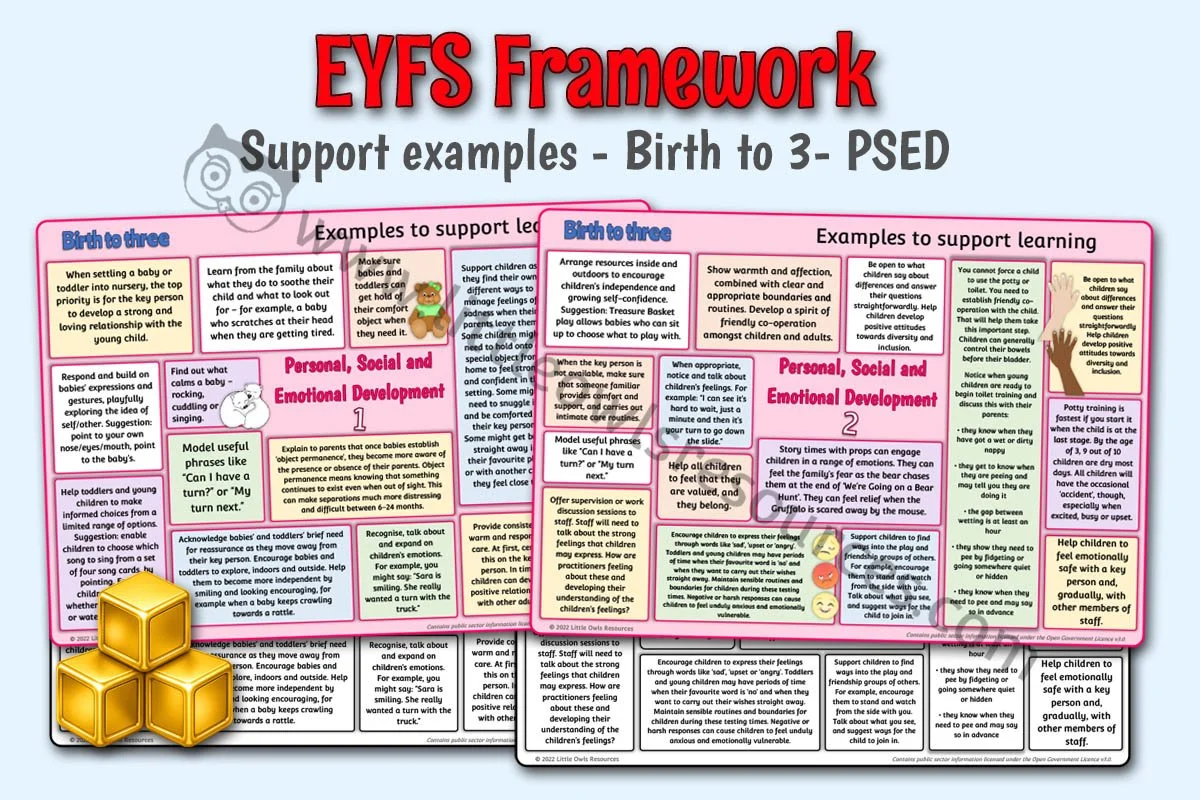
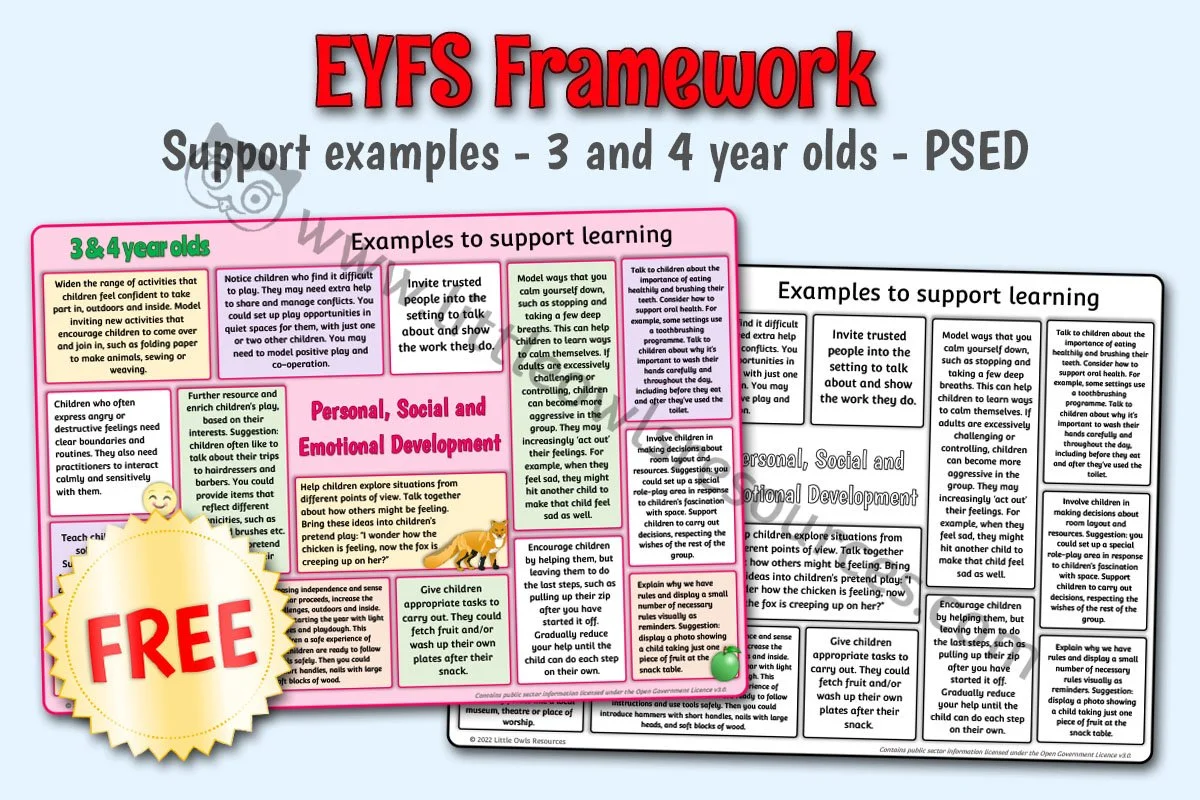
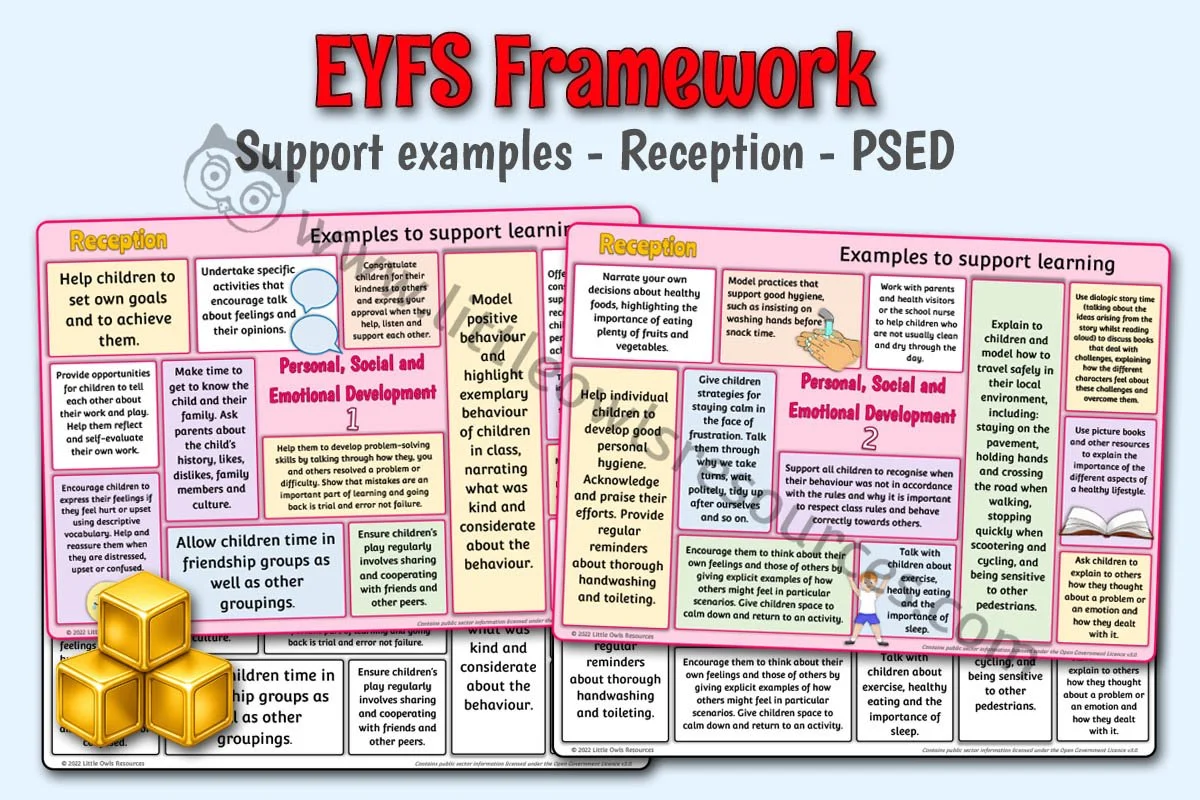
Personal, Social and Emotional Development supports children in developing relationships, understanding emotions, and building confidence and independence.
Why the Prime Areas Are Important
The Prime Areas support many aspects of children’s development during the early years. Strong development in these areas can help children engage with learning experiences and develop confidence as learners.
These areas are particularly important in the earliest years of life because they support children in developing the skills needed to explore their environment and interact with others.
How the Prime Areas Support Learning
Development within the Prime Areas helps children engage with other learning opportunities within the EYFS. For example:
communication skills support language and literacy development
physical development supports exploration and participation in activities
social and emotional development supports relationships and confidence in learning
As children develop in these areas, they are increasingly able to engage with learning across the wider curriculum.
Statutory Context
The Prime Areas are defined within the EYFS Statutory Framework as part of the seven Areas of Learning and Development. Practitioners are expected to support children’s development across all areas while recognising the particular importance of the Prime Areas in early childhood.
Common Questions About the Prime Areas
-
They are called Prime Areas because they are particularly important in supporting early development and form the foundations for learning in other areas.
-
No. The Prime Areas work alongside the Specific Areas of learning within the EYFS to support children’s overall development.
-
Children’s development in the Prime Areas is considered as part of ongoing observation and assessment throughout the EYFS and contributes to the Early Years Foundation Stage Profile (EYFSP) at the end of Reception.
Summary
The Prime Areas are three areas of learning within the Early Years Foundation Stage that support children’s early development. They focus on communication, physical development, and social and emotional development, which provide important foundations for learning during the early years.
Related Glossary Terms
The following glossary entries are closely related to the Prime Areas and provide additional context:


Further Guidance | Related Documents within our ‘EYFS Curriculum & Pedagogy’ suite:
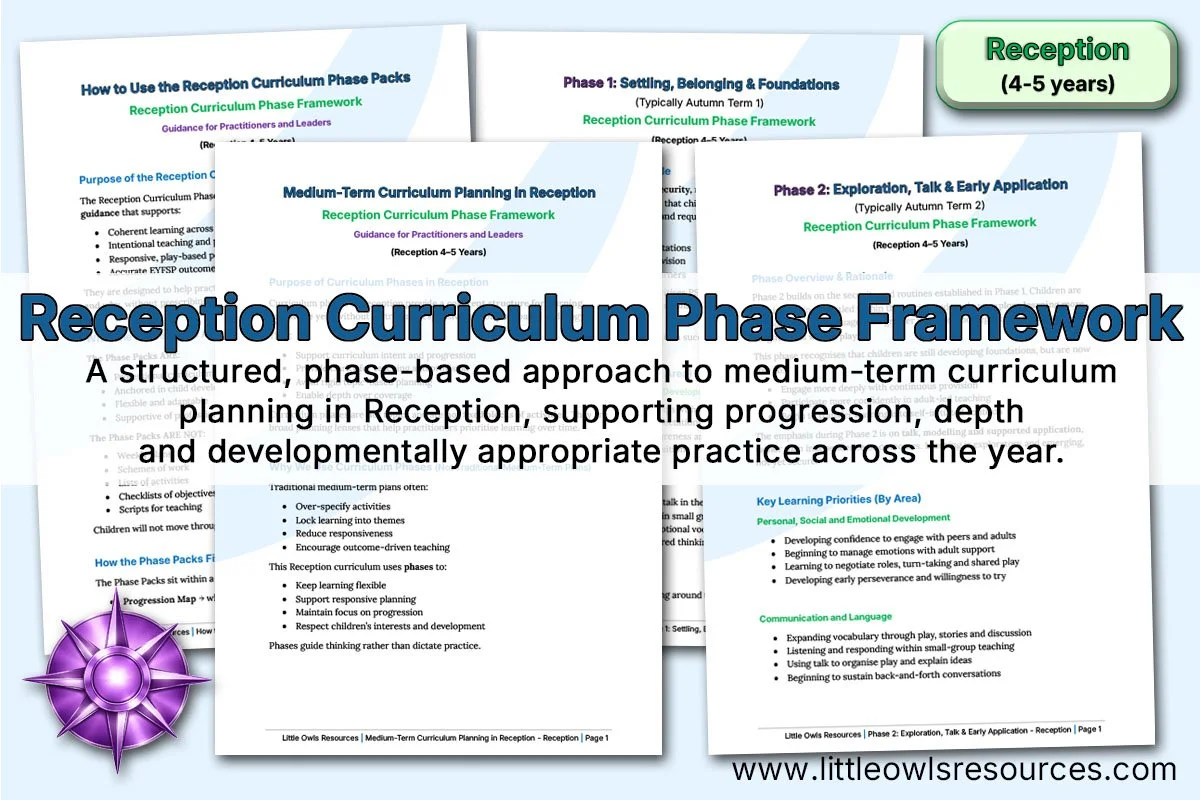
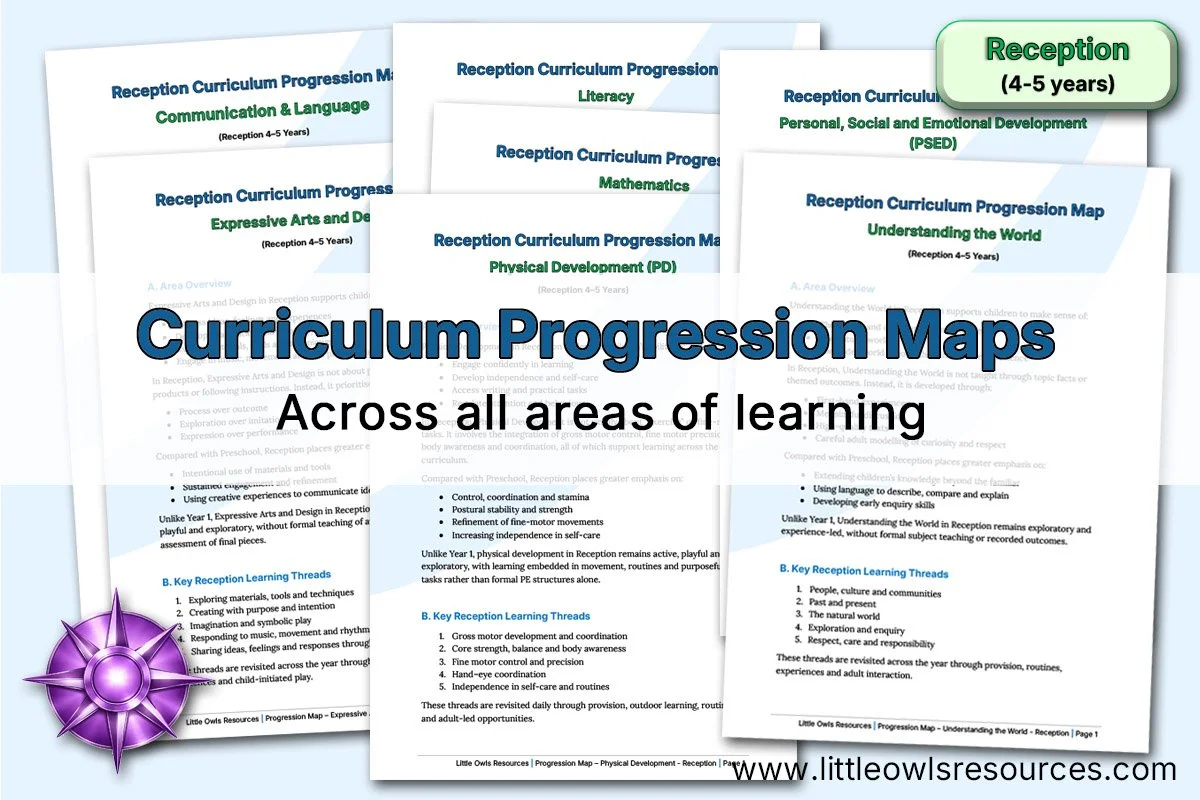
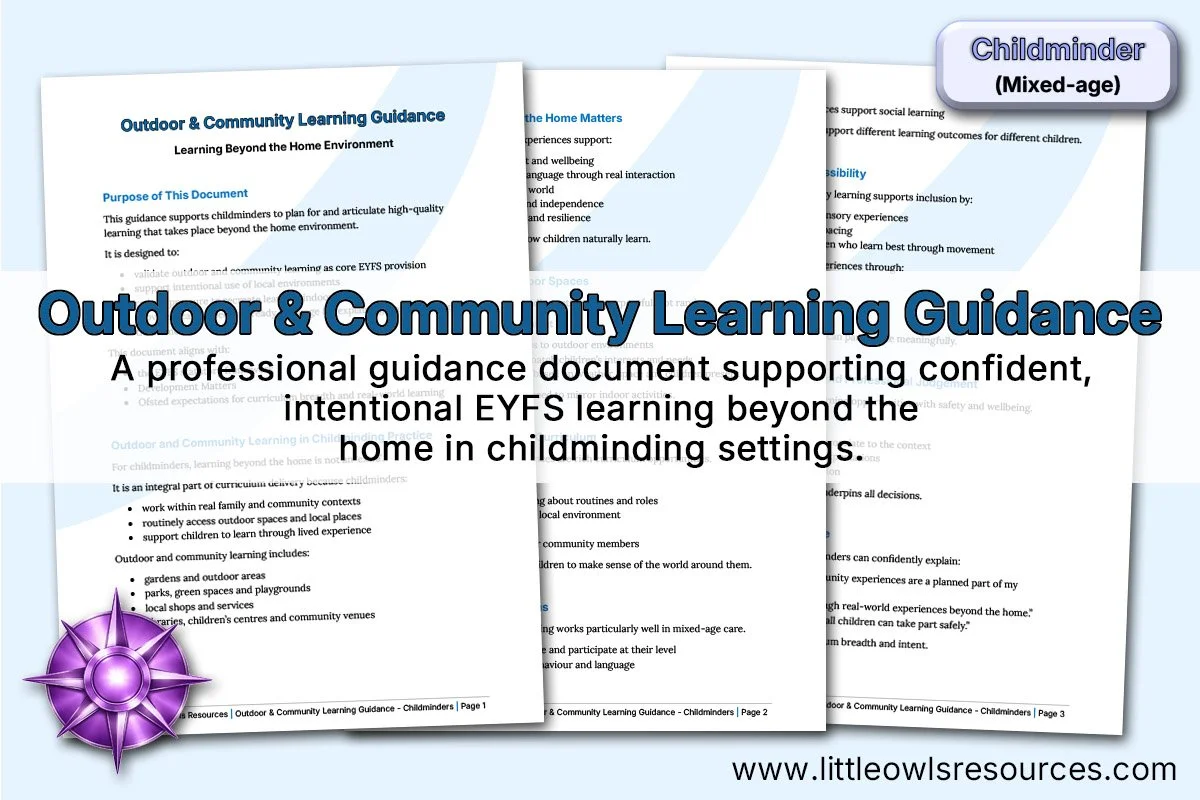
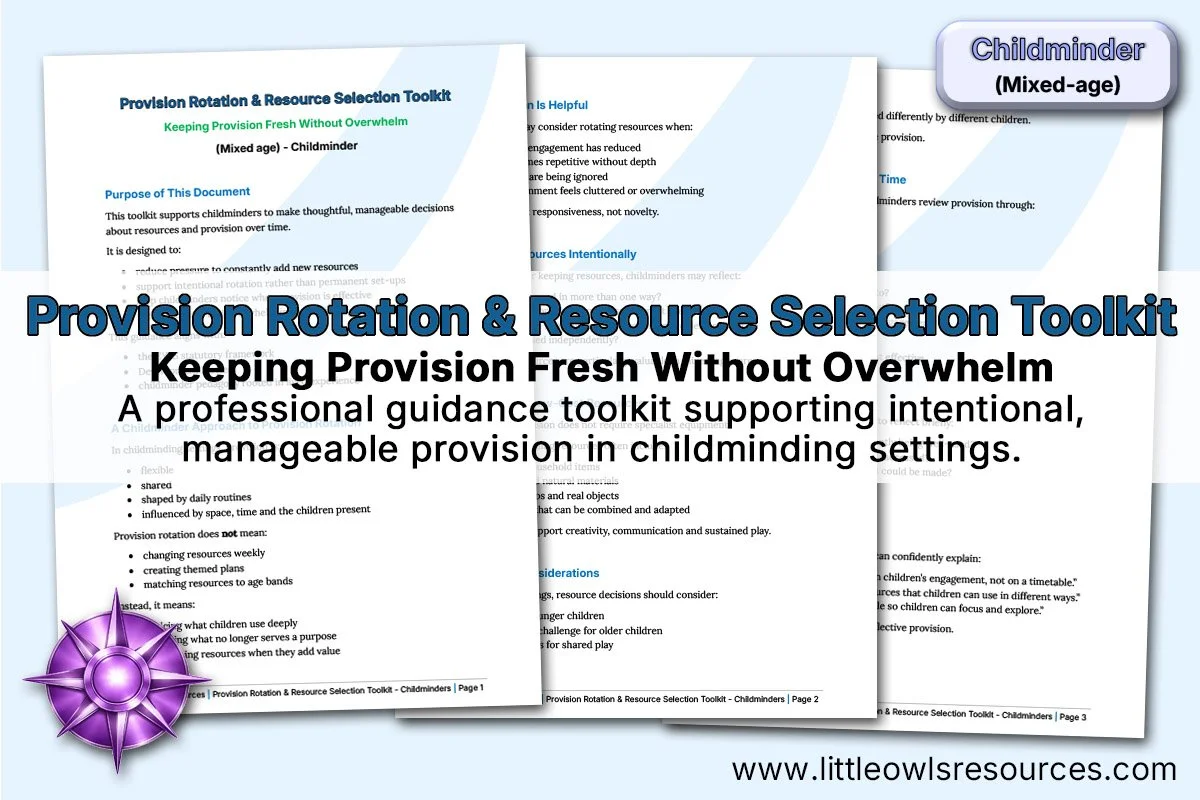
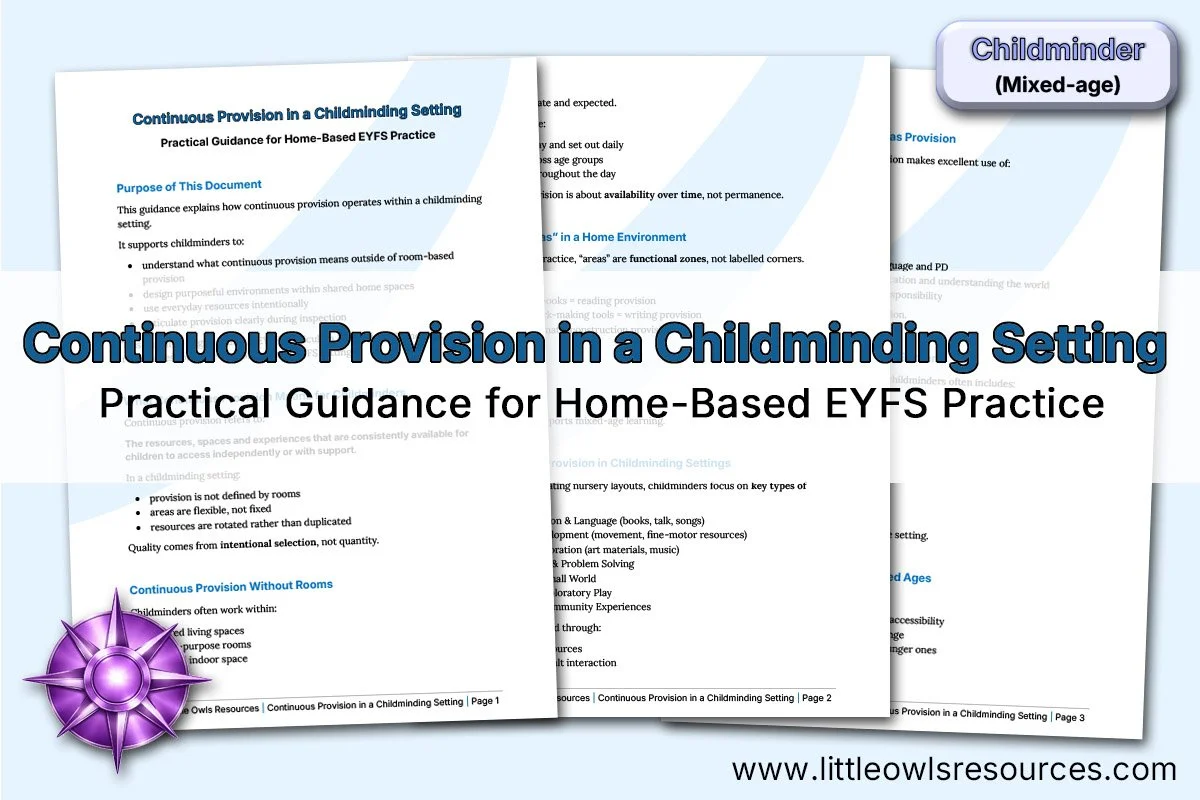
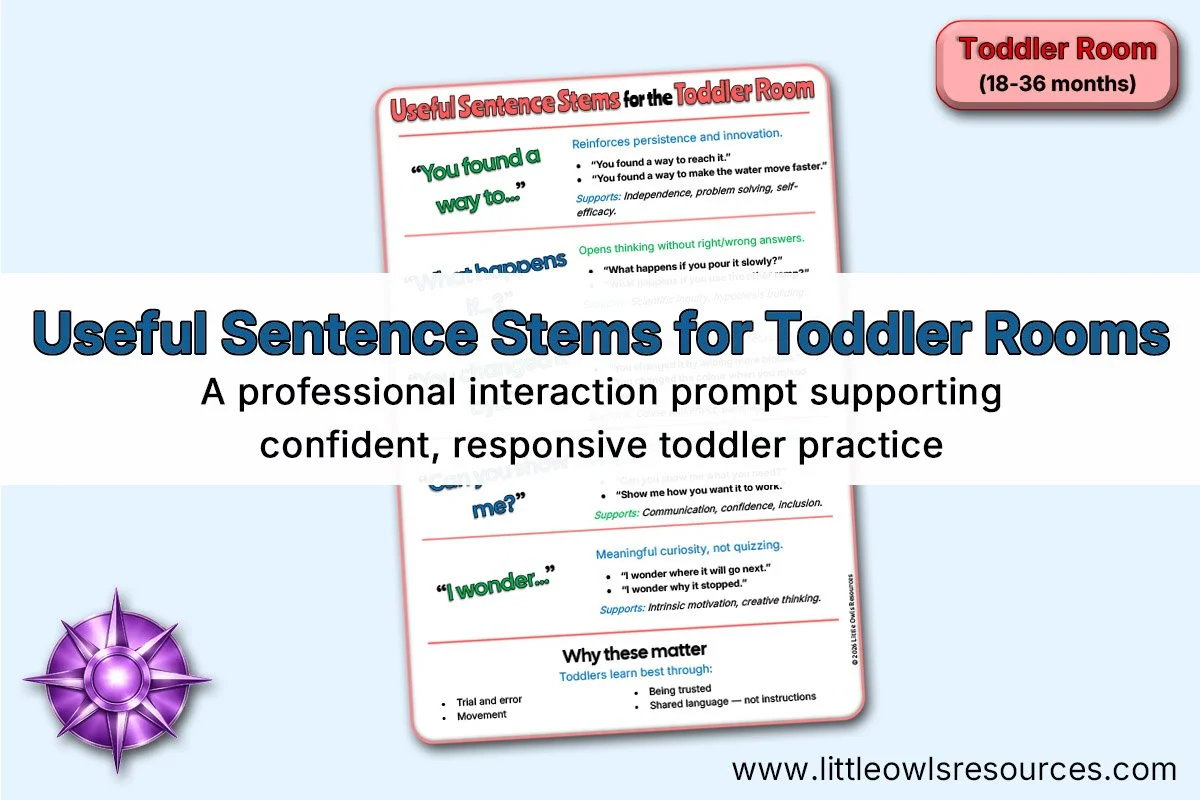
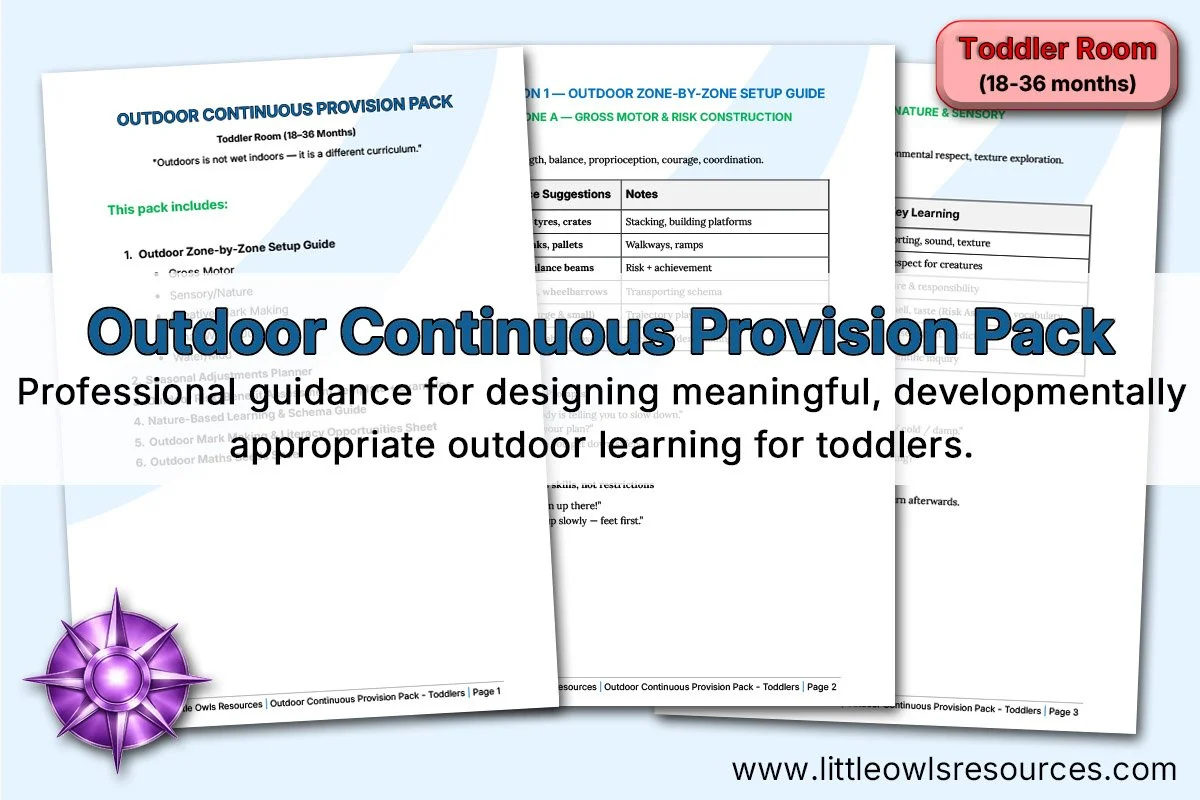
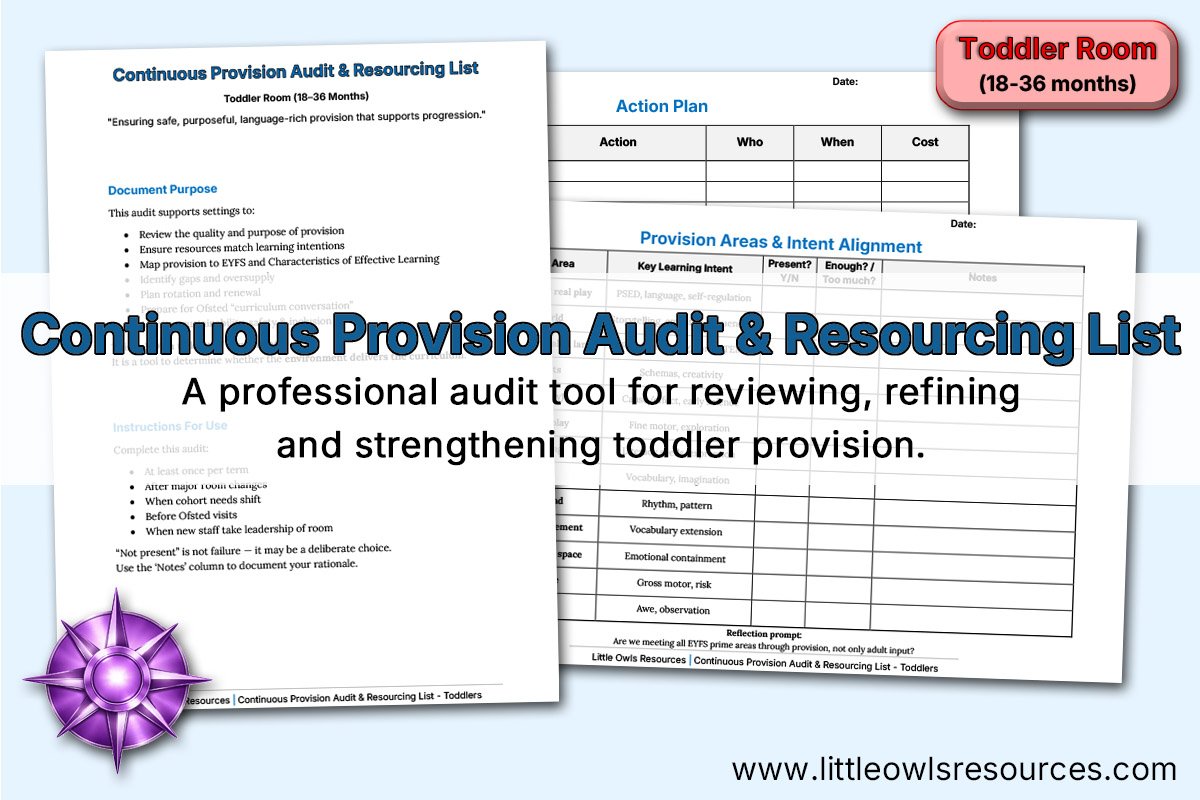
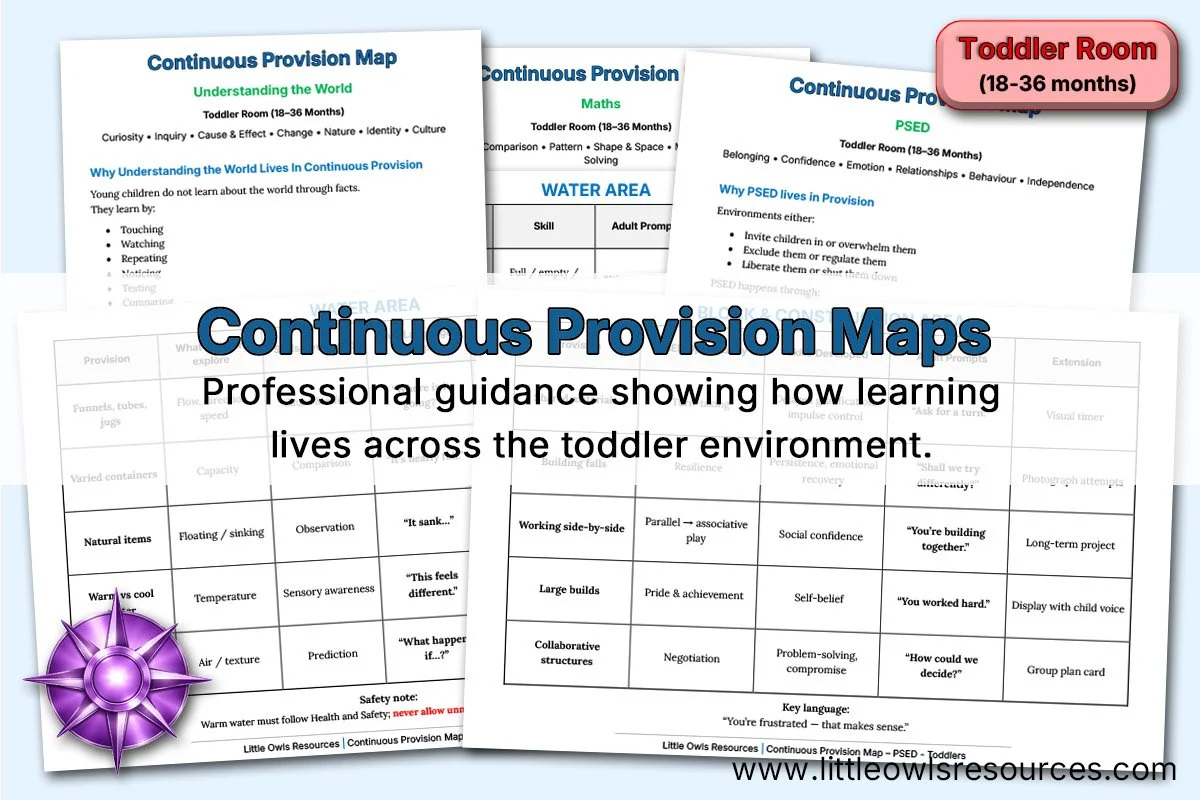
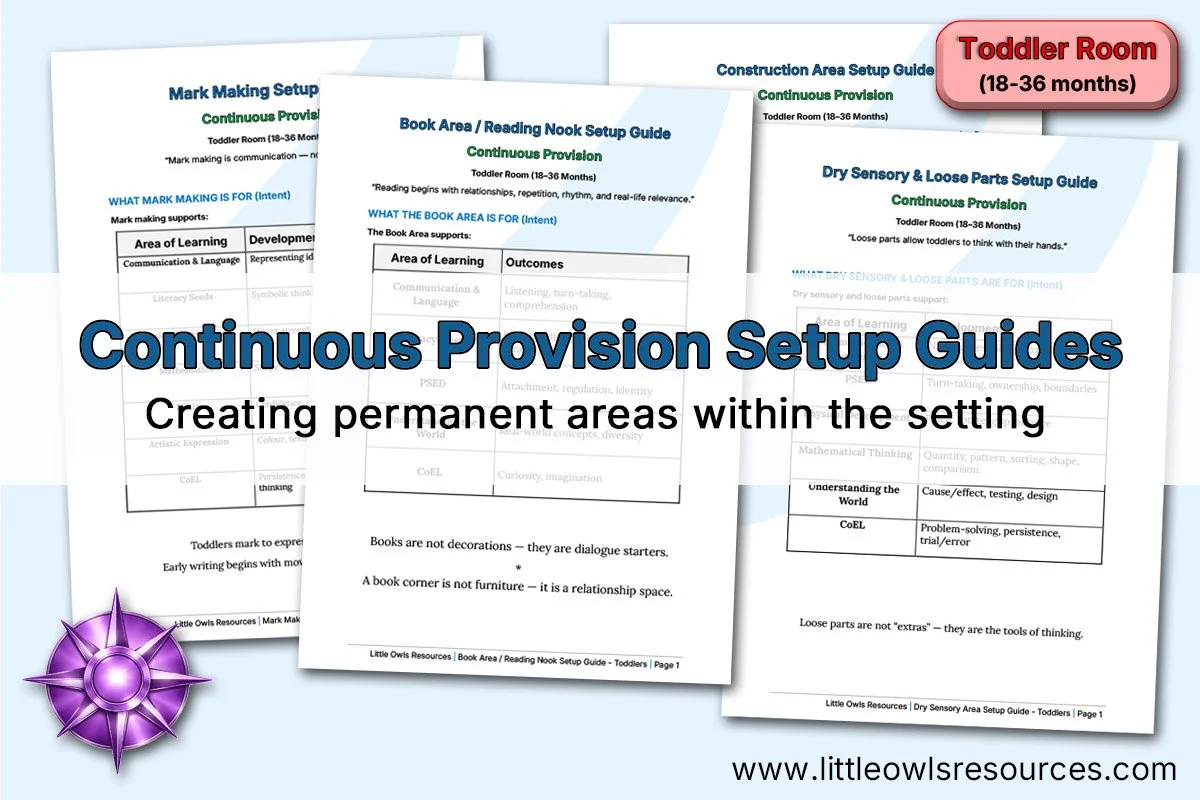
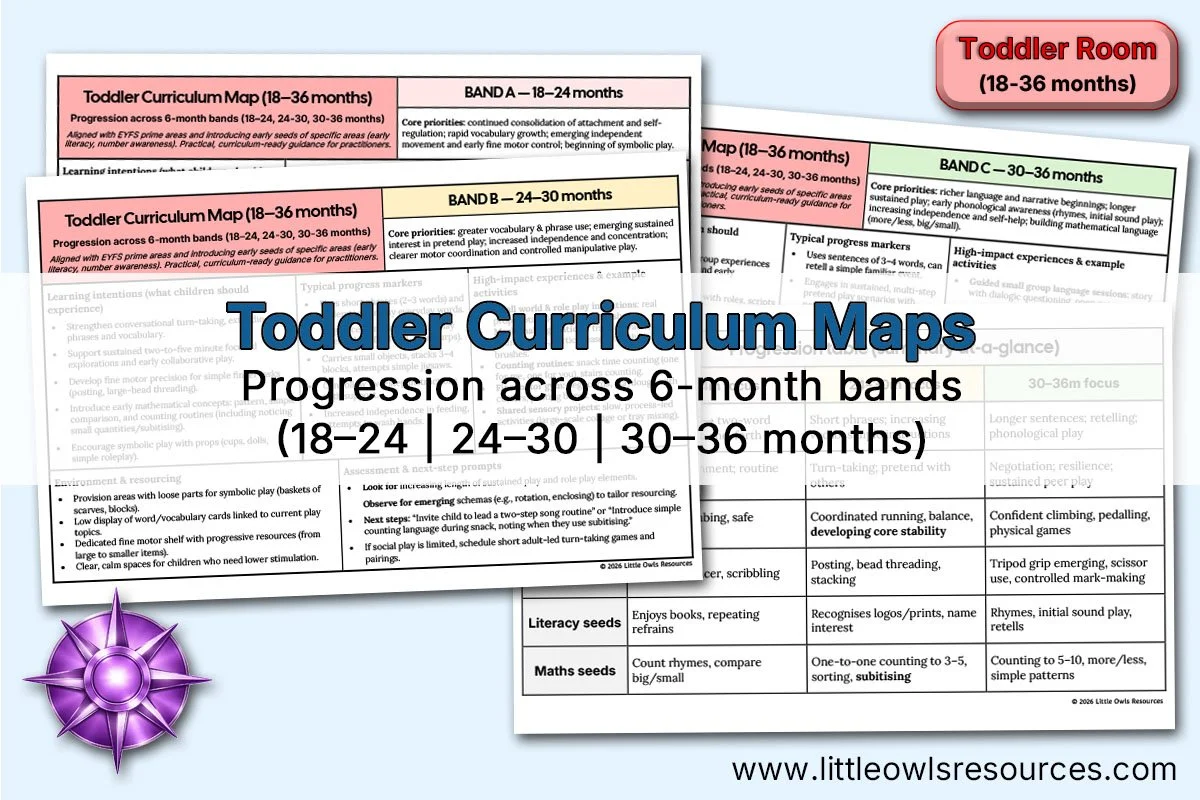
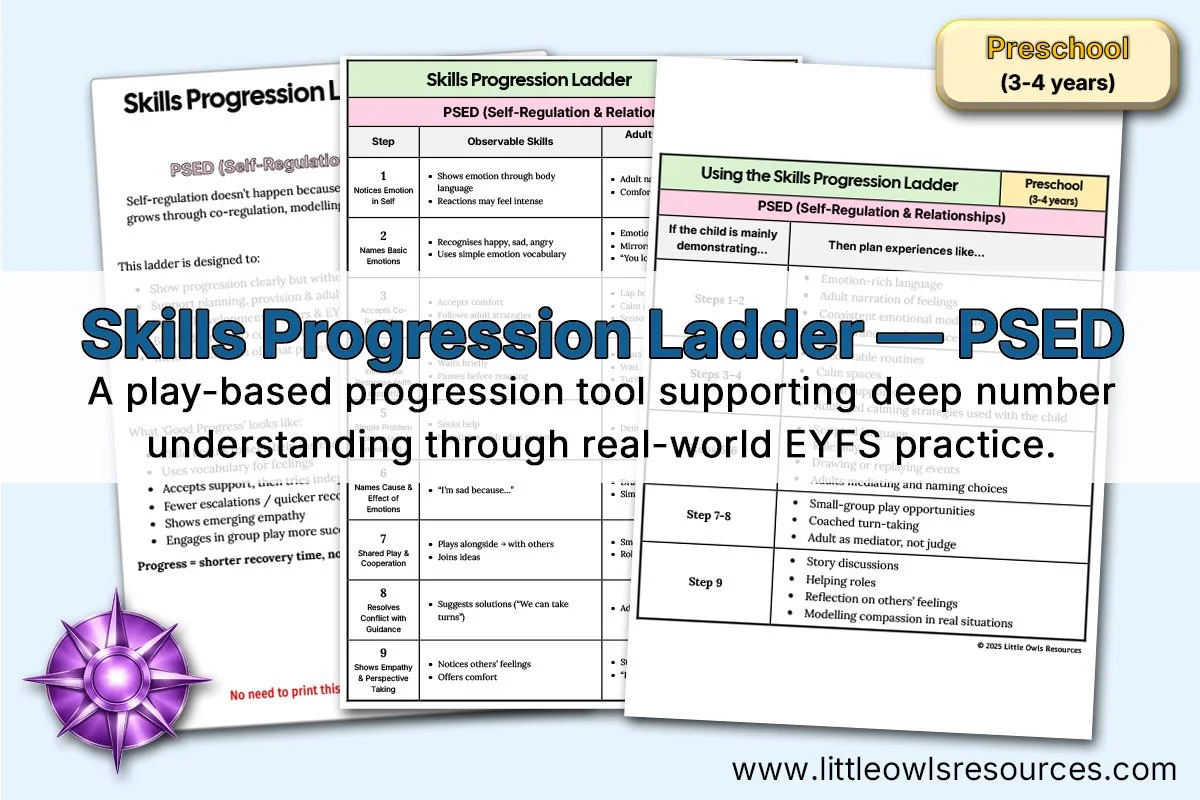
Below you will find a selection of guidance documents from within our Little Owls Resources ‘Curriculum & Pedagogy’ area which explore this concept (& its age-specific application within EYFS settings) in greater depth.
[For additional documents please visit our support pathways: Baby | Toddler | Preschool | Reception | Mixed-Age]










Further Guidance | Related Resources within our ‘Printable Provision’ area:
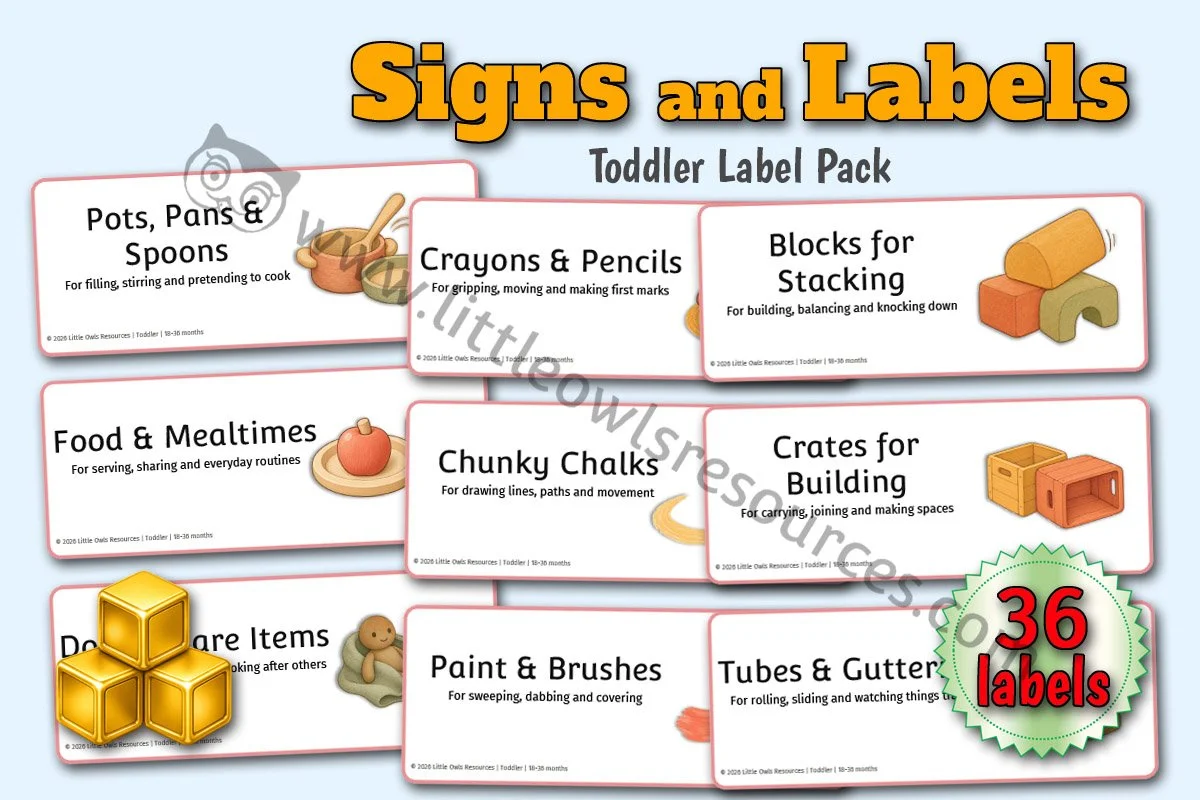
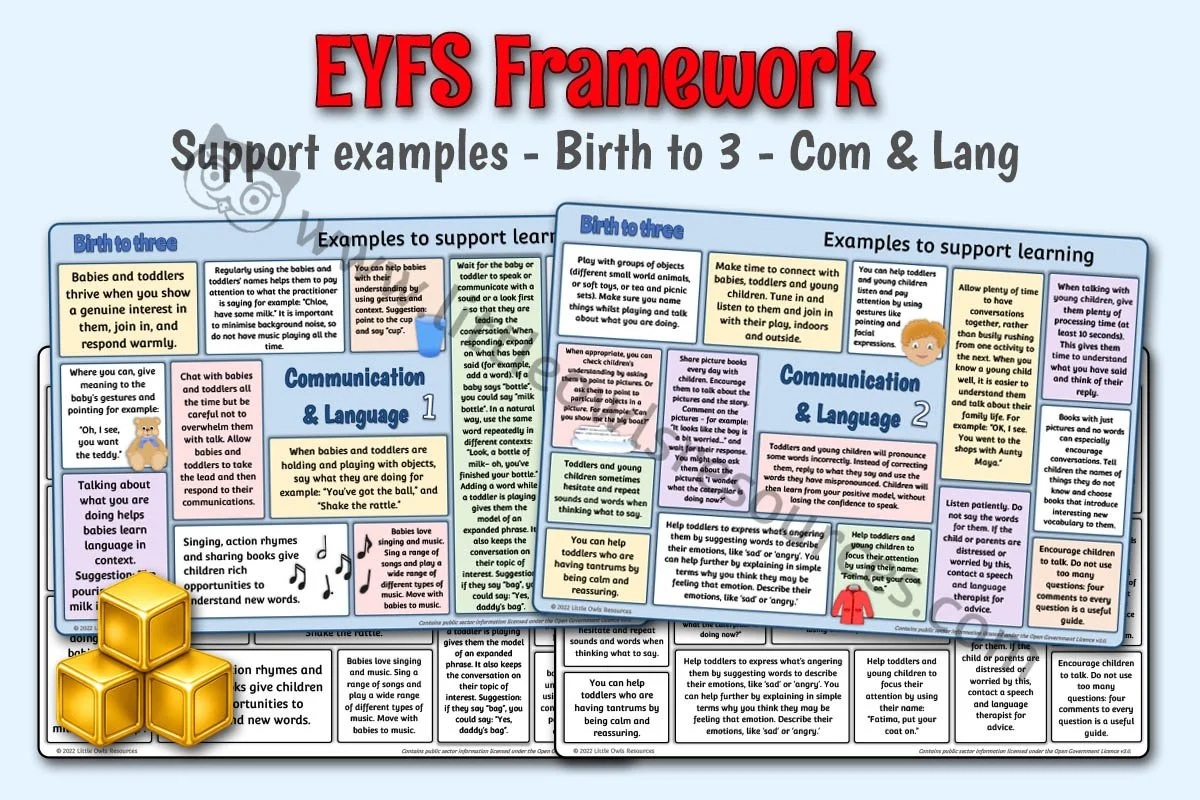
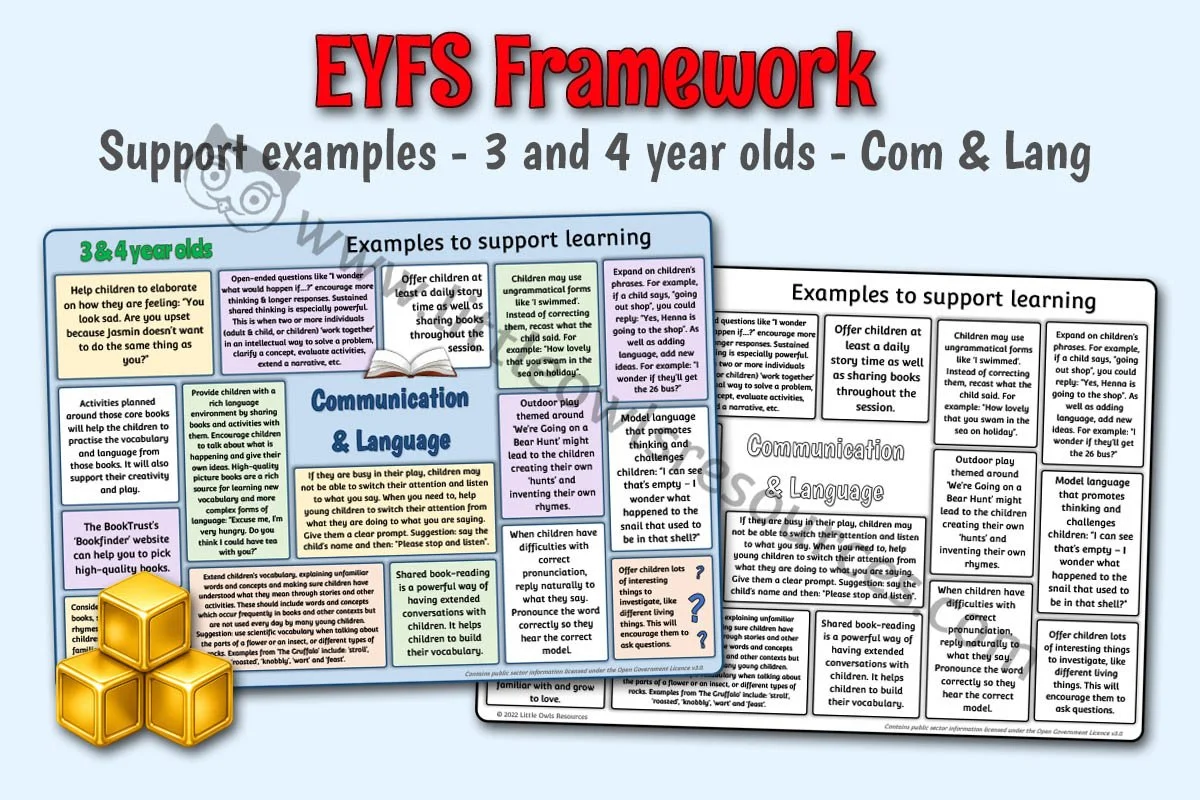
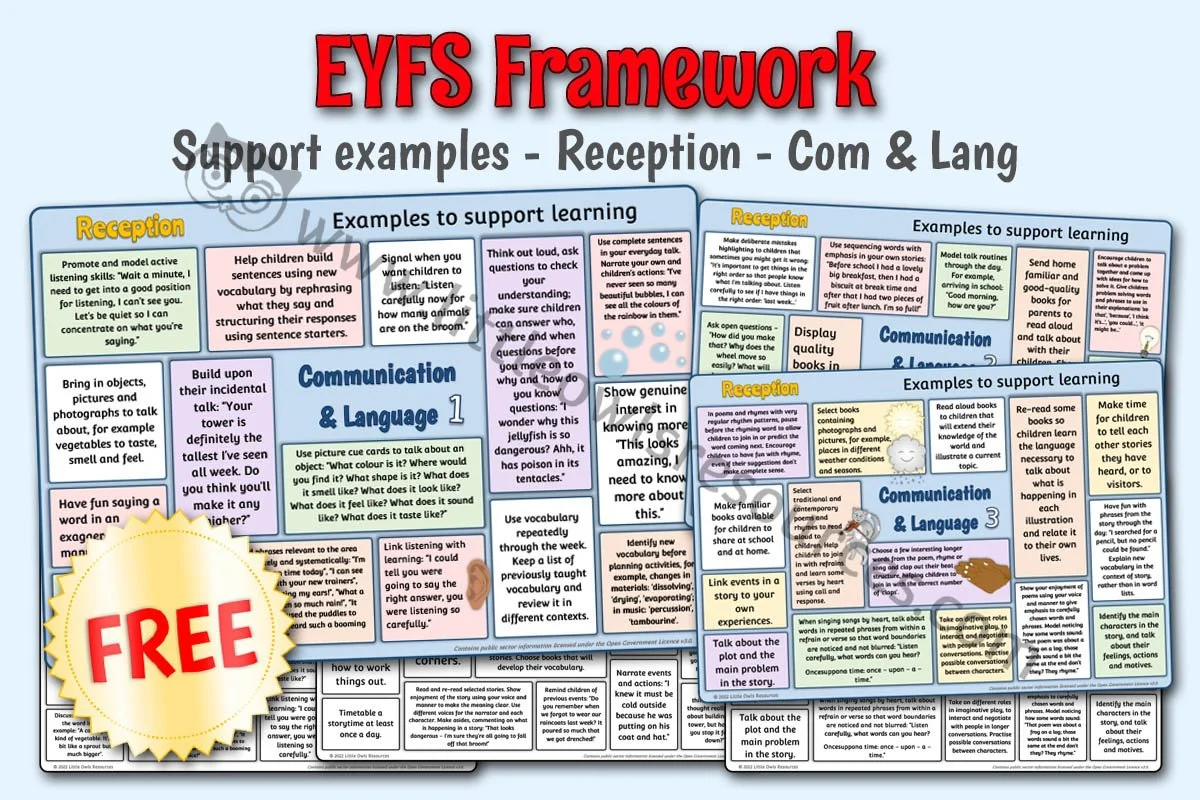
The following resources are within our ‘EYFS Framework’ collection.
Disclaimer
The information provided in this glossary is intended to support understanding of terminology commonly used within the Early Years Foundation Stage (EYFS). It does not constitute official guidance and should not be considered a substitute for the EYFS Statutory Framework or other Department for Education publications.
Terminology and interpretations may vary between settings and professional contexts.