

Scroll down to read this web document or download files here: DOCX 📝 | PDF 📄
Speech & Language Development
Setting Statement For Parents, Inspectors & Website
Our Vision
At our setting, communication is at the heart of learning, wellbeing and relationships.
We believe:
Children communicate long before they speak
Every child has a voice
Adults are partners in talk, not directors
Language grows strongest through play, connection, and curiosity
We celebrate ALL communication — gestures, signs, sounds, facial expressions, words, silence & laughter
Communication is more than speaking — it is belonging.
Our Approach
We create a communication-rich environment where children:
Are listened to without interruption
Have time to think, respond and explore ideas
Hear a broad range of vocabulary in meaningful contexts
Learn language through shared play and everyday routines
Experience stories, rhymes and songs every day
Develop confidence to express emotions and ideas
Our practitioners respond sensitively, observe carefully and interact purposefully, using strategies supported by current research and the EYFS.
Key Principles of Practice
Approach & What it Looks Like
Follow the Child's Lead - Adults join play rather than redirect
Commenting > Quizzing - “The water is splashing loudly!”
Wait & Pause - Time to think and respond
Copy + Extend - “Car.” → “Red car.”
Serve & Return - Conversation as turn-taking
Sustained Shared Thinking - Wondering and exploring ideas together
Rich Vocabulary - Real words rooted in real experience
Emotion Coaching - Naming and validating feelings
Language is not added on — It is woven through every interaction.
Staff Training & CPD
All staff receive ongoing support and professional development focused on:
Early speech and language development
EAL strategies
Supporting non-verbal communication
Play-based language building
Dialogic reading (shared story approaches)
Understanding developmental stages
Knowing when and how to seek advice
We reflect as a team, share practice, observe each other and commit to being lifelong learners alongside the children.
Partnership with Parents
We recognise parents as children’s first and most important educators.
We:
Share ideas for building language at home
Celebrate every small communication milestone
Offer non-judgemental conversations
Provide practical strategies, not pressure
Listen to parent insight as part of assessment
Communication thrives when adults work together.
Inclusion and Early Identification
We believe all communication is meaningful.
We ensure:
Every child feels heard, valued and responded to
Language support is inclusive, not isolating
Children developing differently are not compared but understood
Concerns are handled sensitively and collaboratively
Referrals are timely, evidence-based and partnership-led
We adapt environments, expectations and resources — not the child.
How This Aligns With EYFS & Ofsted Expectations
Recognising and supporting early communication
→ EYFS Section 1: 1.6, 1.7Creating language-rich environments
→ Development Matters ‘Communication and Language’Building children’s confidence and self-regulation
→ PSED linksPartnership with parents
→ Statutory requirementEarly identification of needs
→ SEND Code of PracticeInclusive curriculum delivery
→ Ofsted’s emphasis on Intent–Implementation–Impact
This statement demonstrates a pedagogically robust approach and reflects contemporary best practice.
In summary
We are a communication-focused setting where children learn language through joyful, meaningful interaction. We listen, we model, we extend, and we celebrate every voice.
Document Updated: January 2026
Recommended next read selection





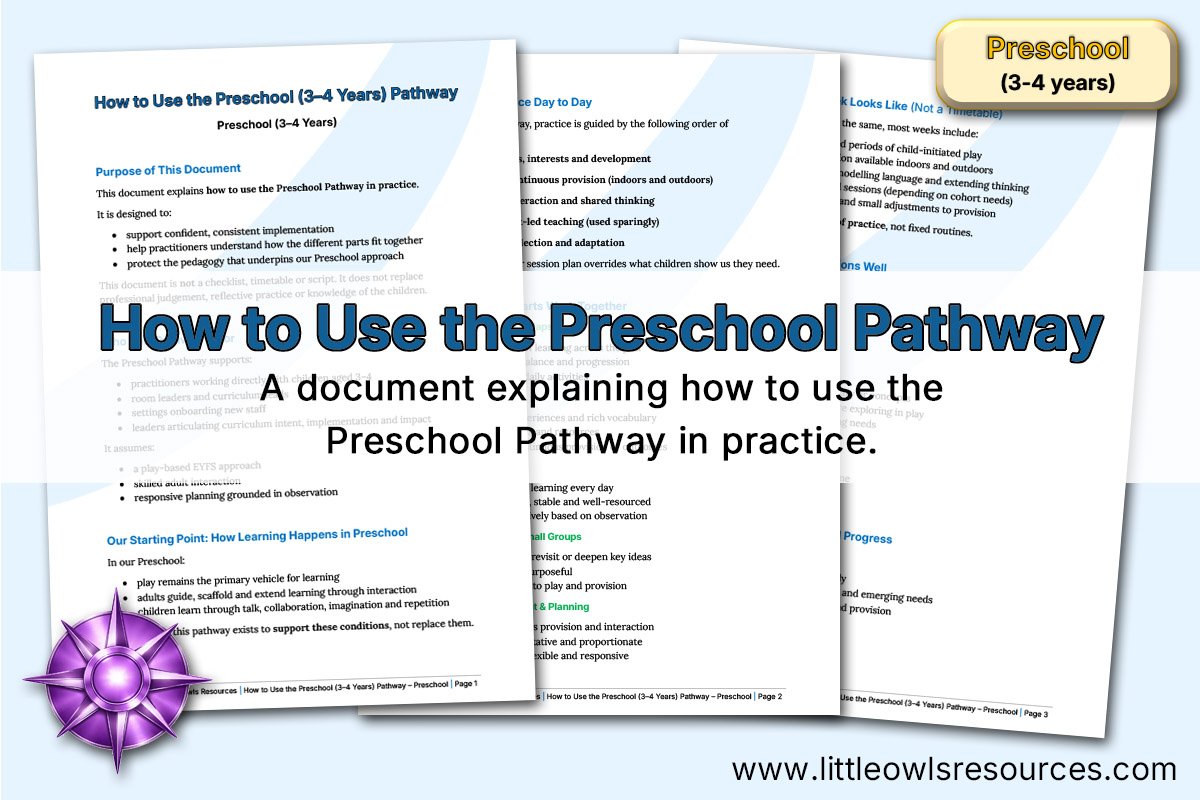

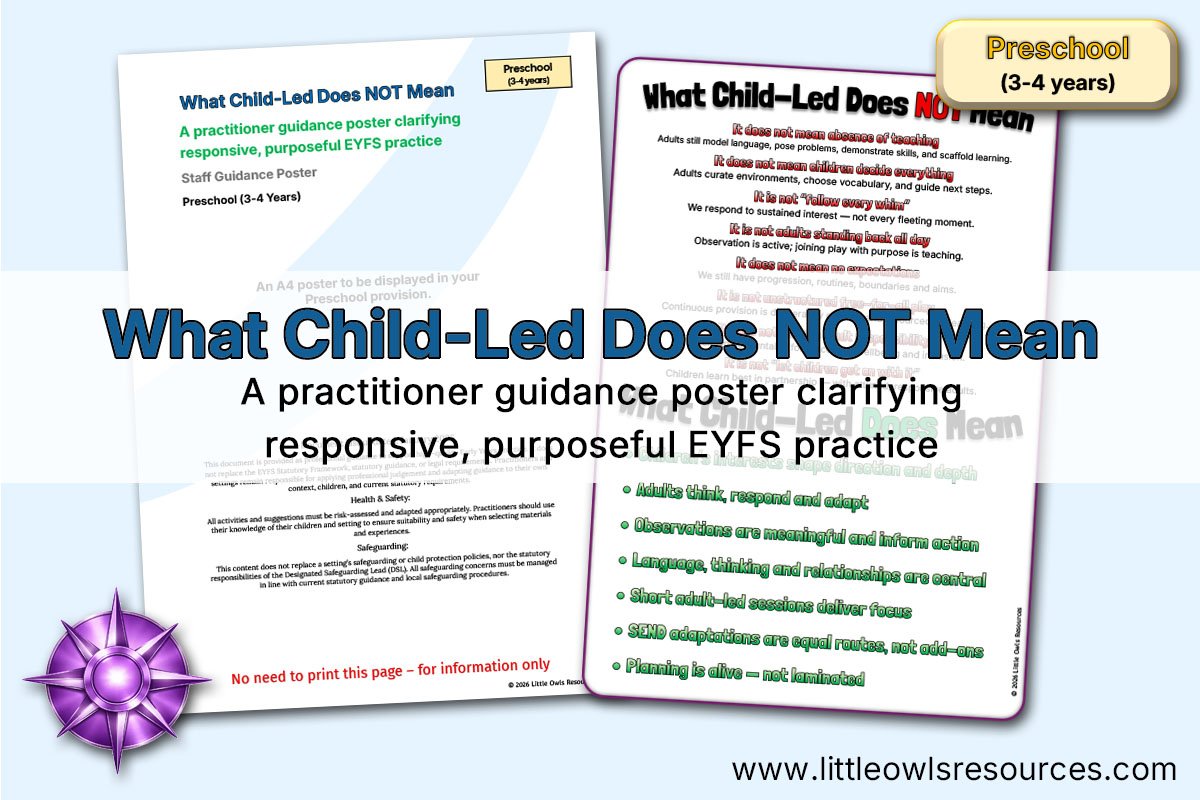

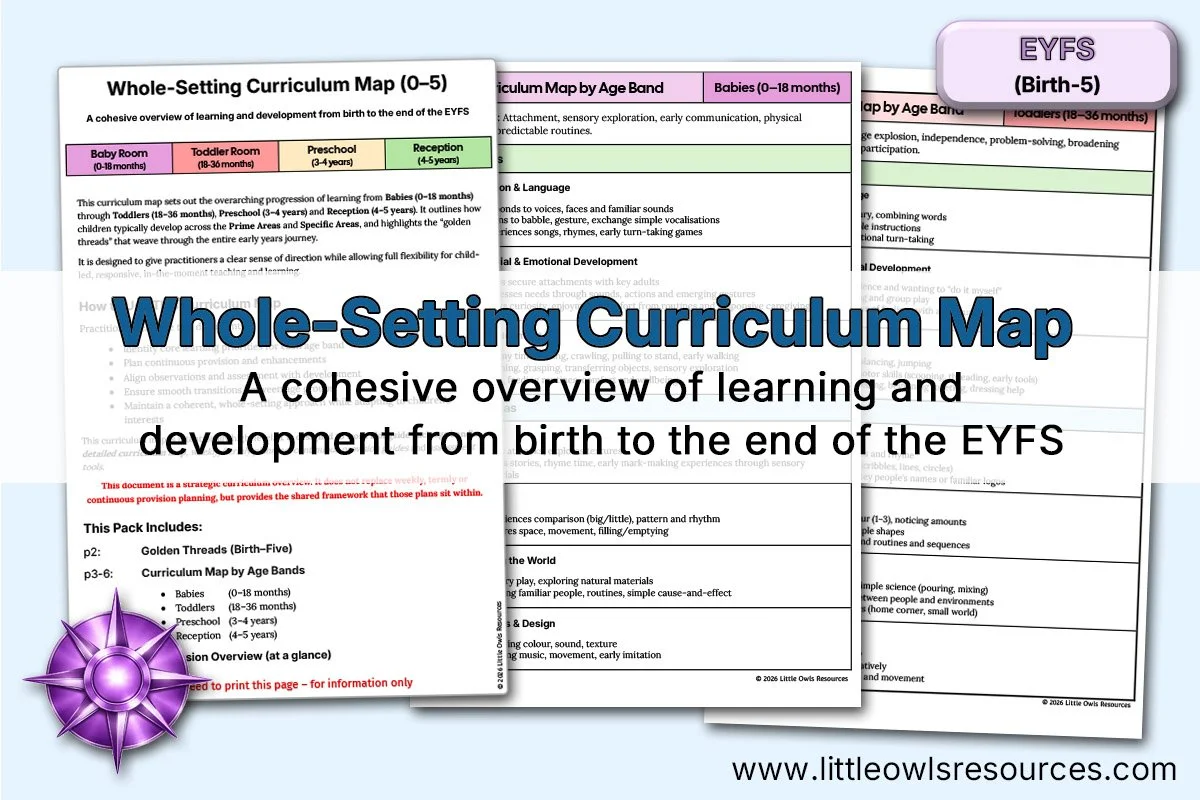


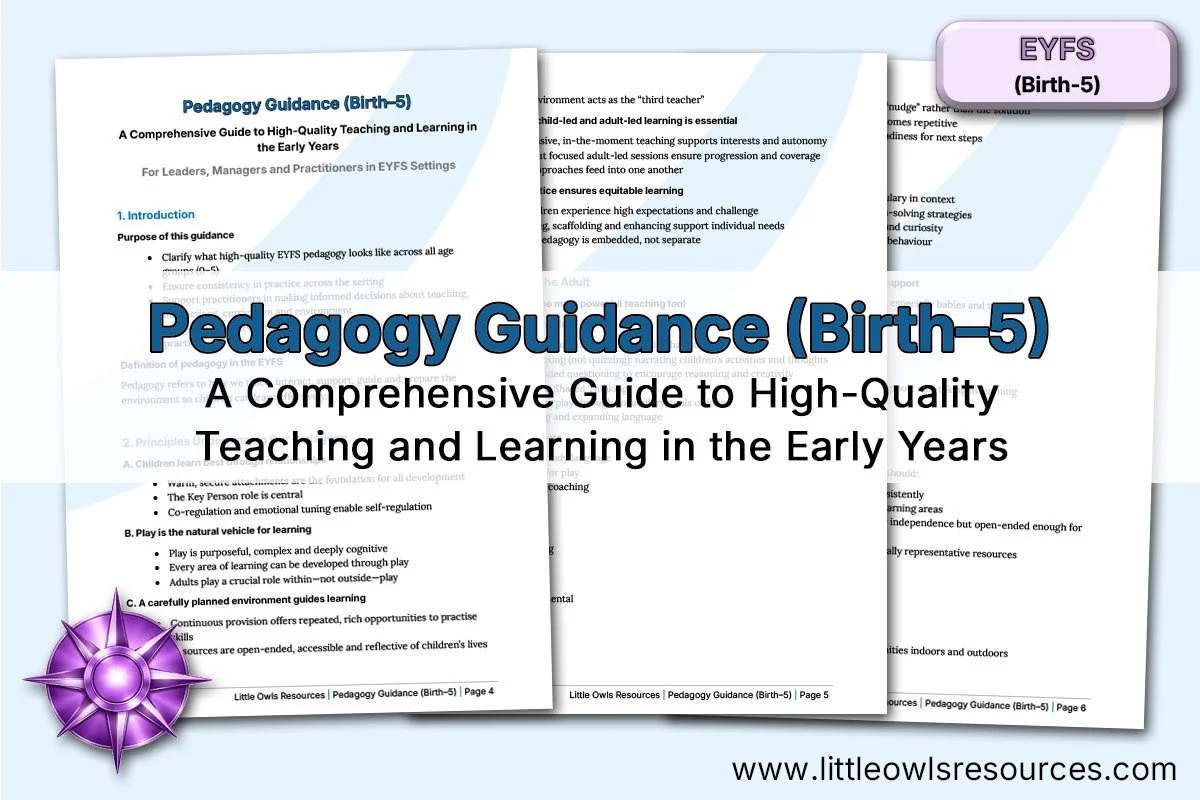
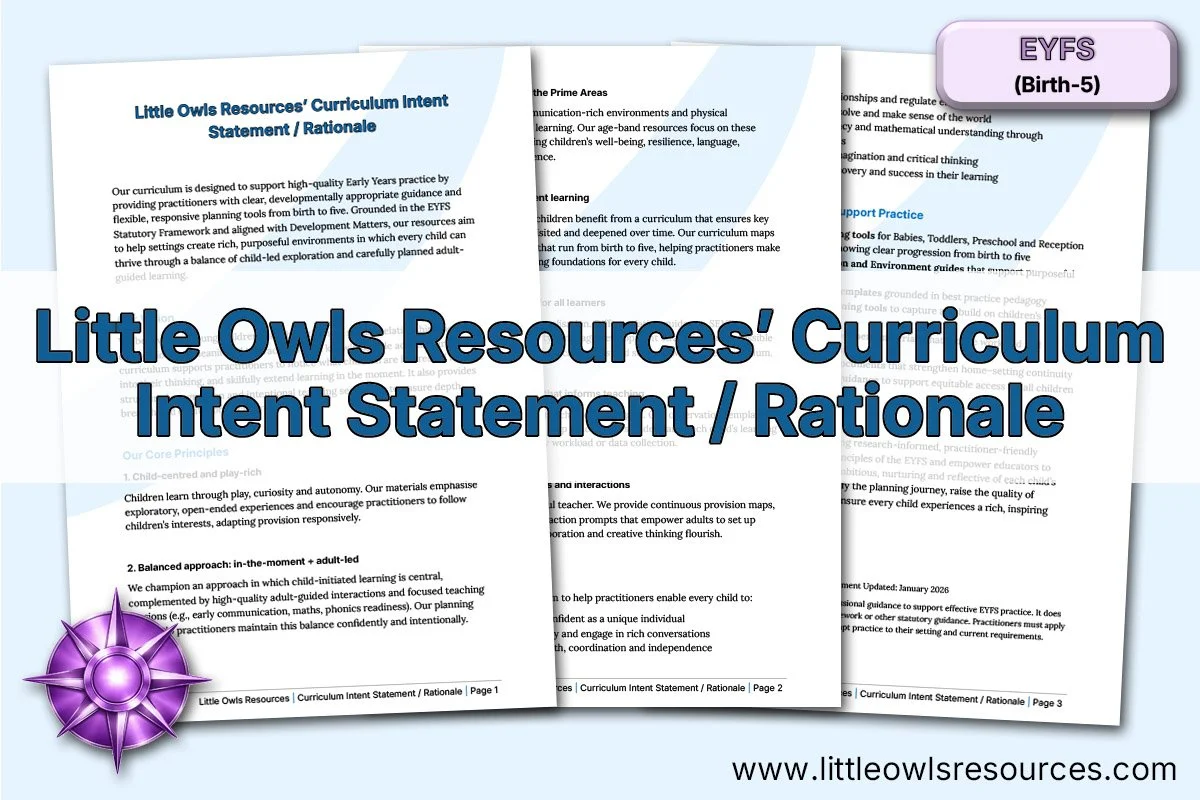
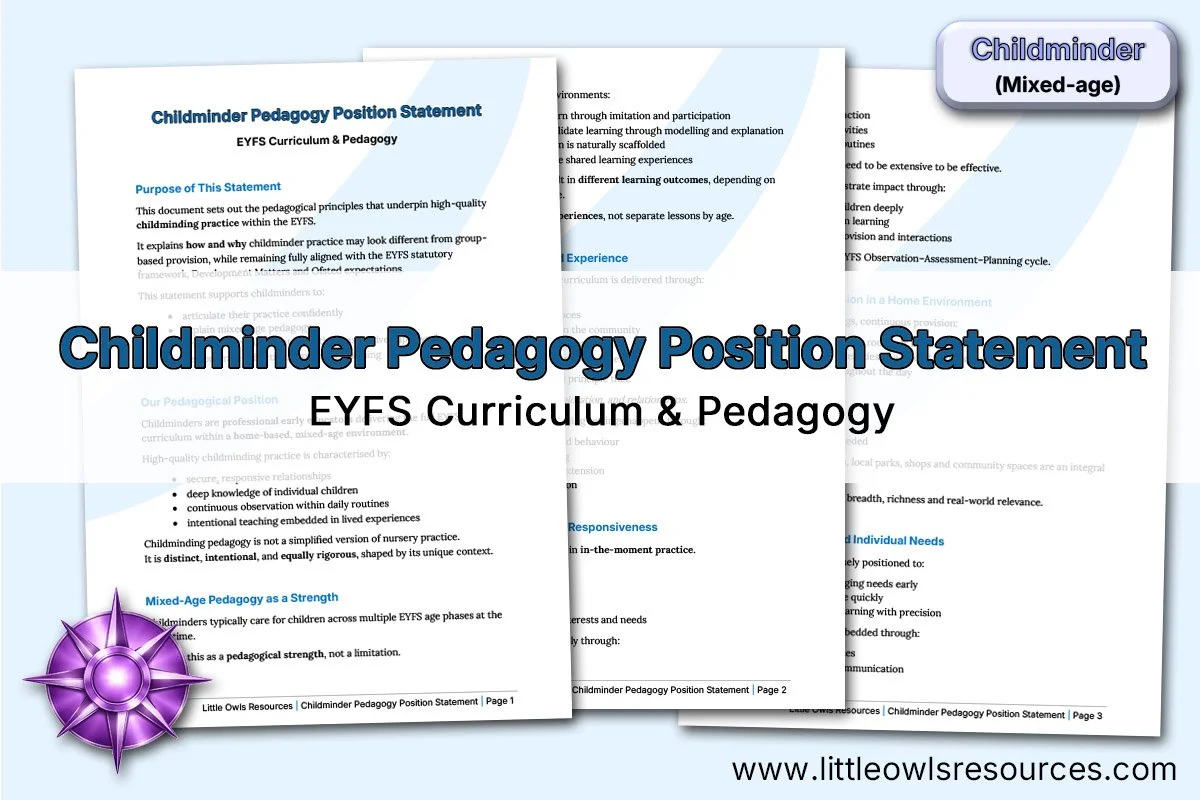
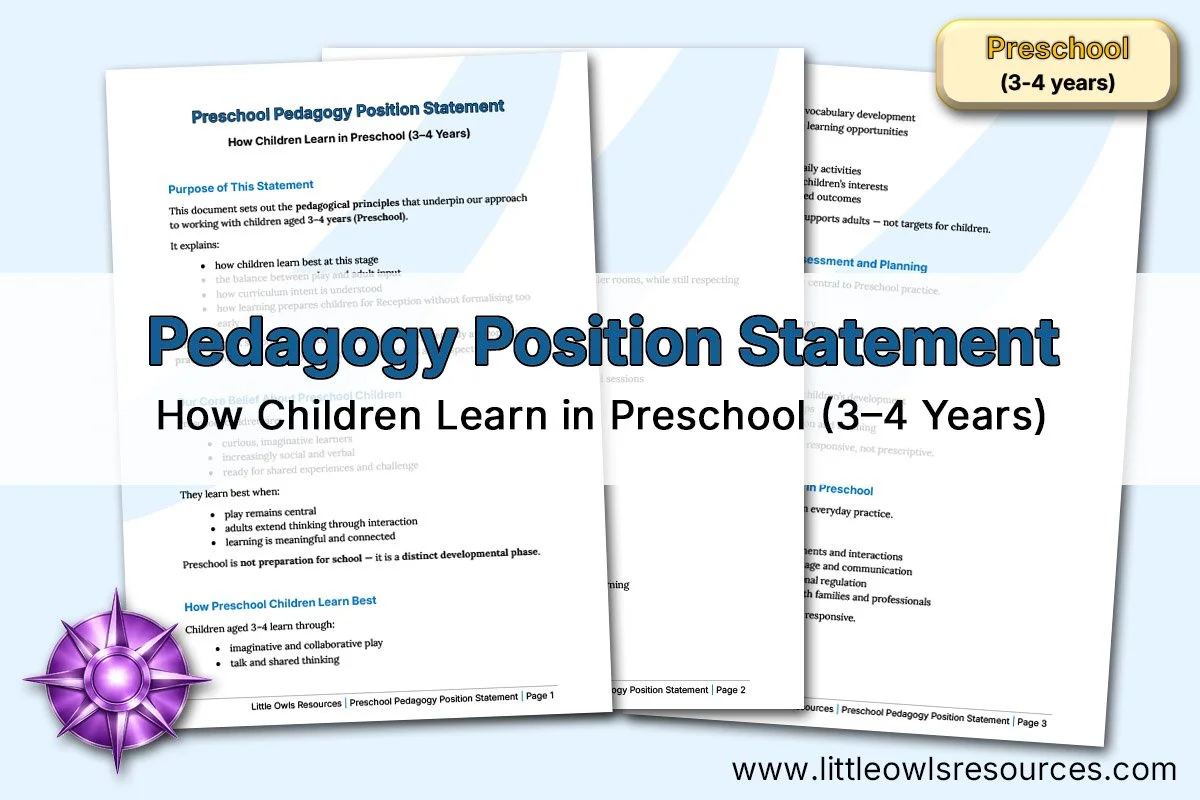
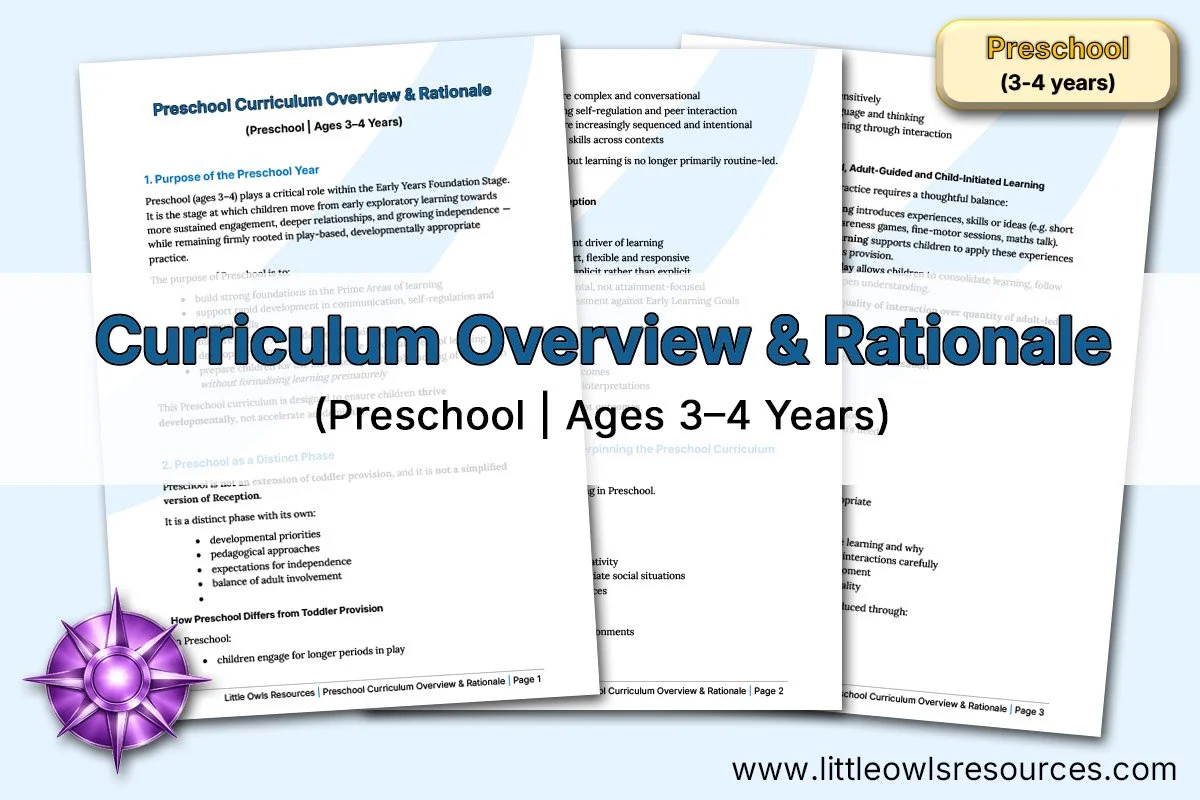

Additional Whole-Setting Guidance | for Professional Members
Explore our whole-setting guidance below, including overarching curriculum and pedagogy documents, early years schemas and EYFS setting policies.
-
-
Early Years Schemas - Practitioner Toolkit | EYFS Birth-5
↪ Schema Cards (definition, behaviours, age-related examples, enabling resources)
↪ Schema Observation & Responsive Provision Planning Template
-
EYFS Group Setting Policies Pack
↪ x 25 Policy Documents
↪ Policy Sign-Off and Confirmation Document
↪ EYFS Setting Policy Folder Contents List
Childminder Setting Policies Pack
↪ x 25 Policy Documents
↪ Childminder Assistant or Volunteer Policy Sign-Off and Confirmation Document
↪ Childminder Policy Folder Contents List
-
↪ Clear, practitioner-friendly explanations of key curriculum and pedagogy terms used throughout our guidance.
Looking for age-specific pathway documents?
Select the pathway that best reflects your role or the age group you work with. You do not need to use everything. (Some practitioners may use more than one pathway.)
Latest EYFS Articles & Practical Guides | From Our Blog
Stay informed, get expert advice, and find inspiration from our collection of articles and useful external resources, tailored specifically for EYFS practitioners. We regularly publish in-depth articles to support you with current best practices, regulatory changes, and fresh ideas.




Are you looking for a specific resource or document for your provision?
Use our 🔍 SEARCH Bar located at the top of every page.
Content within the EYFS Curriculum & Pedagogy Membership is provided as professional guidance and support. It reflects current understanding of the EYFS statutory framework, Development Matters and inspection expectations at the time of writing. Practitioners are responsible for applying professional judgement and ensuring practice aligns with current statutory requirements and their specific context.
Updated: January 2026