
Part of the EYFS Glossary
This article forms part of our EYFS Glossary of Early Years Education Terms, which explains key curriculum, pedagogy, and assessment language used in early years practice.

The EYFS Statutory Framework is the legal document that sets out the requirements early years providers in England must follow to support children’s learning, development, safeguarding, and welfare during the Early Years Foundation Stage.
What is the EYFS Statutory Framework?
The EYFS Statutory Framework is the official document published by the Department for Education that sets out the legal requirements for early years providers in England.
It defines how providers must support children during the Early Years Foundation Stage (EYFS), including expectations relating to learning and development, safeguarding, and the welfare of children.
All registered early years providers must follow the requirements within the statutory framework.
What the Statutory Framework Covers
The framework outlines several key areas of early years practice.
These include:
learning and development requirements
safeguarding and welfare requirements
assessment arrangements
expectations relating to staffing and qualifications
Together, these requirements aim to ensure that children receive safe, high-quality early years education and care.
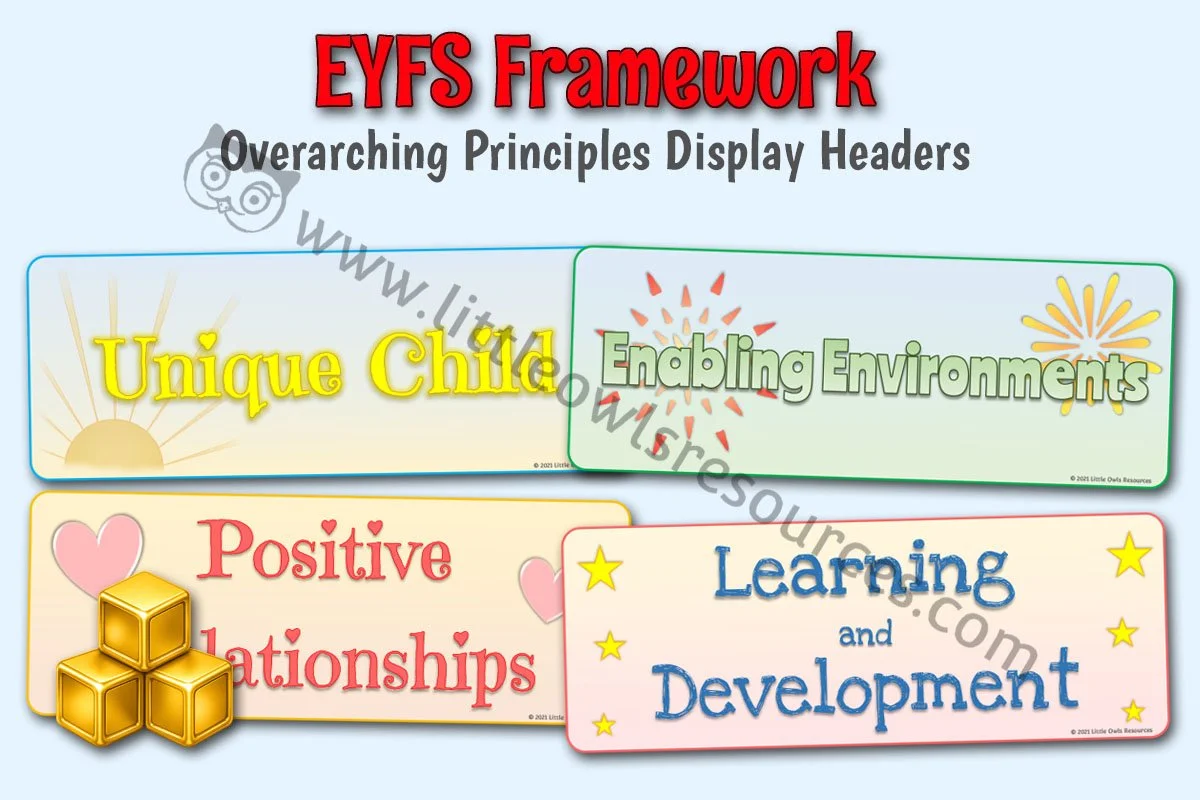
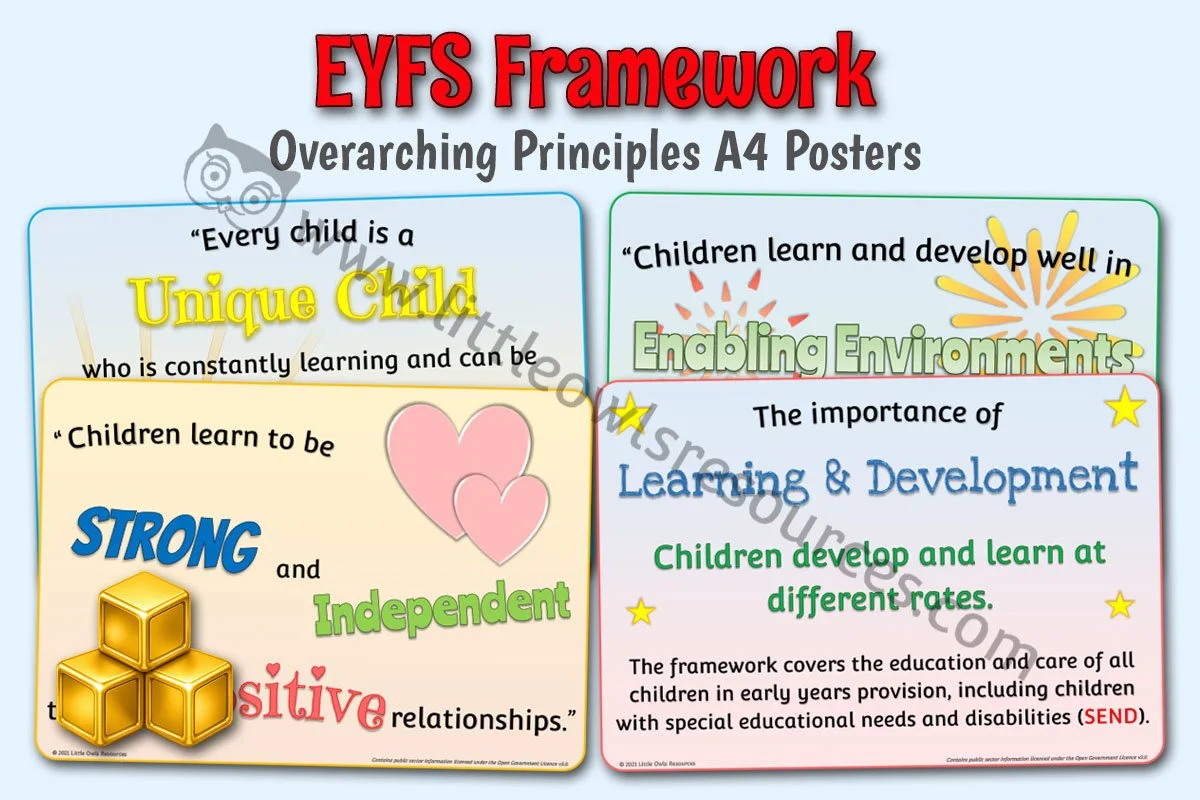
The Four Principles of the EYFS Framework
The EYFS framework is built around four overarching principles that reflect the way children learn and develop.
A Unique Child
Every child is recognised as an individual who develops at their own pace. Practitioners support children’s development by recognising their strengths, interests, and needs.
Positive Relationships
Children learn best when they form secure relationships with caring and responsive adults. Positive relationships help children feel safe and supported as they explore and learn.
Enabling Environments
The learning environment plays an important role in supporting children’s development. Well-designed environments provide opportunities for exploration, play, and learning.
Learning and Development
Children develop and learn in different ways and at different rates. The EYFS supports children’s development across several interconnected areas of learning.
Learning and Development Requirements
The statutory framework outlines expectations for supporting children’s learning and development across the Areas of Learning and Development.
These expectations include:
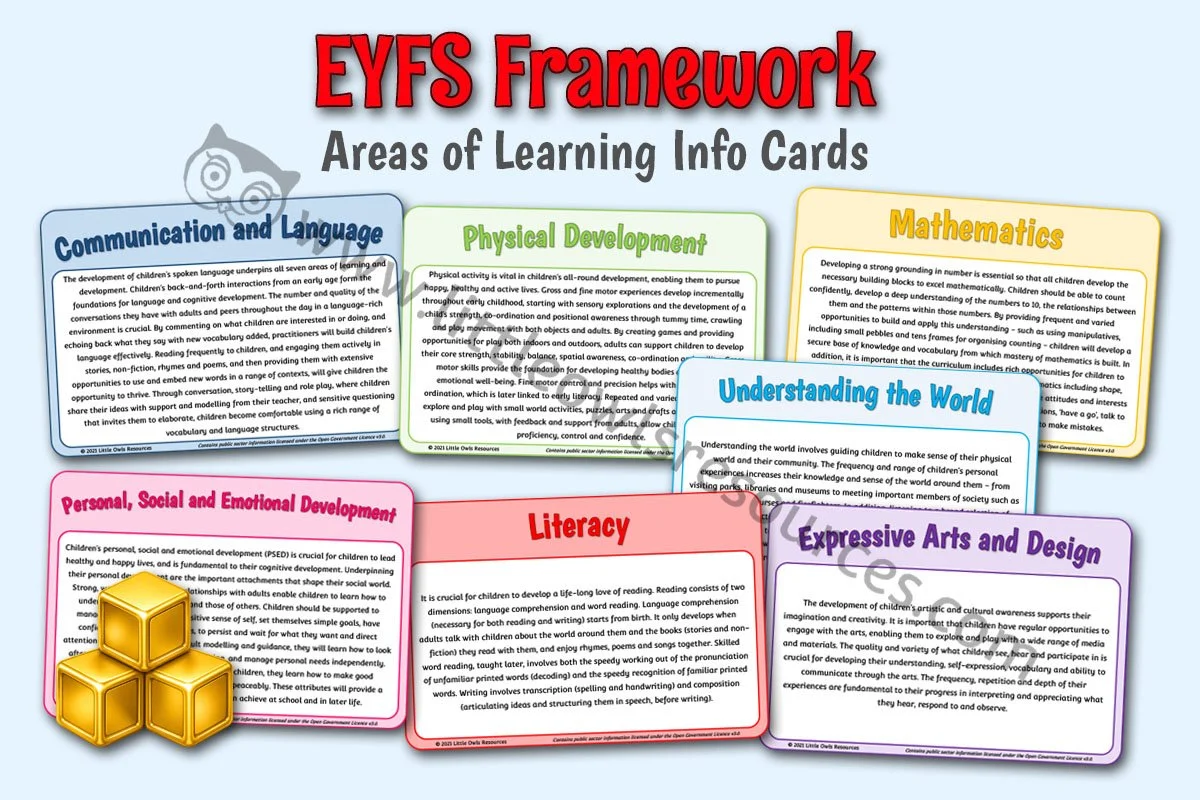
providing educational programmes across the seven areas of learning
supporting children’s development through appropriate experiences and interactions
assessing children’s development at key points during the EYFS
Practitioners use these requirements alongside professional judgement to support children’s development.
Safeguarding and Welfare Requirements
The statutory framework also includes detailed safeguarding and welfare requirements designed to protect children and promote their wellbeing.
These requirements relate to areas such as:
safeguarding and child protection
staff qualifications and ratios
health and safety
behaviour management
information sharing with parents and carers
Early years providers must meet these requirements to ensure children are cared for in safe environments.
Updates to the EYFS Statutory Framework
The EYFS Statutory Framework is periodically reviewed and updated by the Department for Education.
Updates may reflect changes in policy, research, or practice relating to early childhood education and care. Early years providers are expected to follow the most recent version of the statutory framework.
Common Questions About the EYFS Statutory Framework
-
The EYFS Framework applies to children from birth until the end of the Reception year, typically covering children aged between 0 and 5 years.
-
Yes. Early years providers registered in England must follow the legal requirements set out in the statutory framework.
-
The statutory framework is published by the Department for Education.
-
The statutory framework outlines requirements for learning and development but does not prescribe a specific curriculum. Practitioners may use guidance such as Development Matters to support their understanding of children’s development.
-
No. The EYFS Framework applies to a range of early years providers including nurseries, pre-schools, and childminders as well as school Reception classes.
Summary
The EYFS Statutory Framework is the legal document that defines the requirements early years providers in England must follow when supporting children during the Early Years Foundation Stage. It outlines expectations for learning and development, safeguarding, welfare, and assessment.
All registered early years providers must follow the statutory framework to ensure children receive safe and high-quality early years education and care.
Related Glossary Terms
The following glossary entries are closely related to the EYFS Statutory Framework and provide additional context:


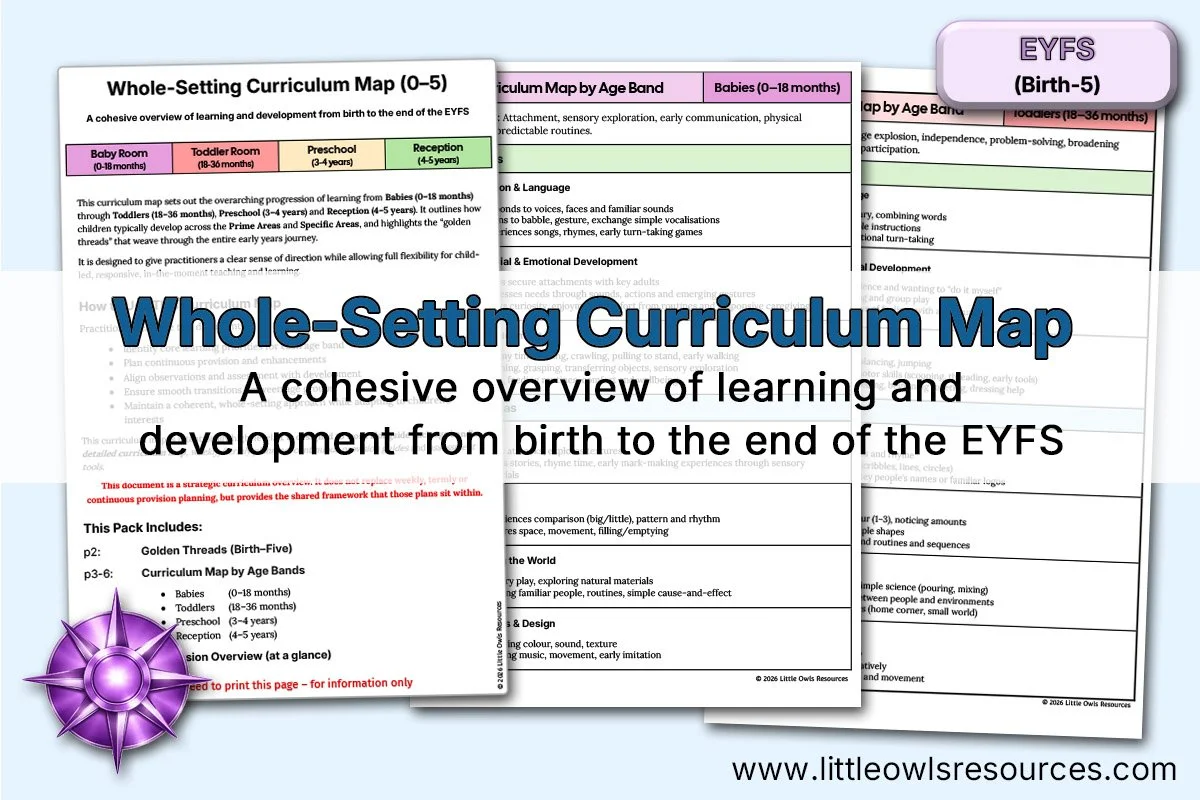
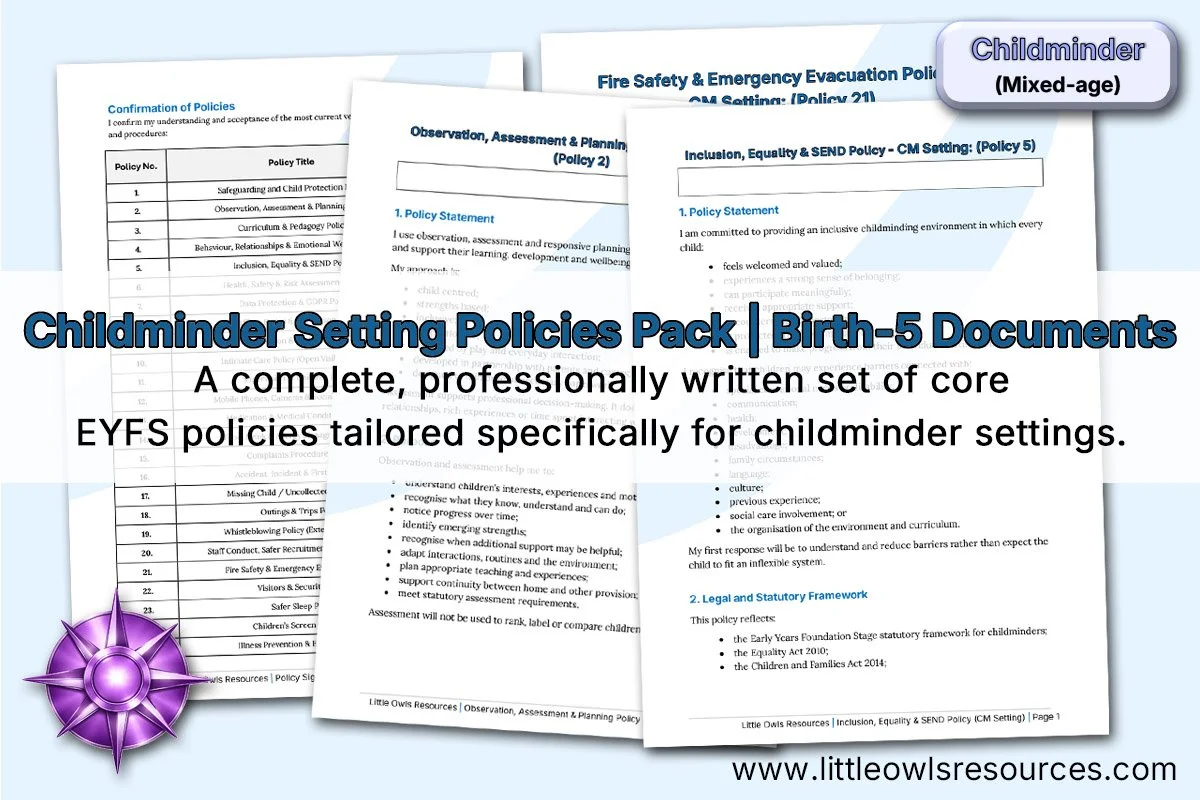
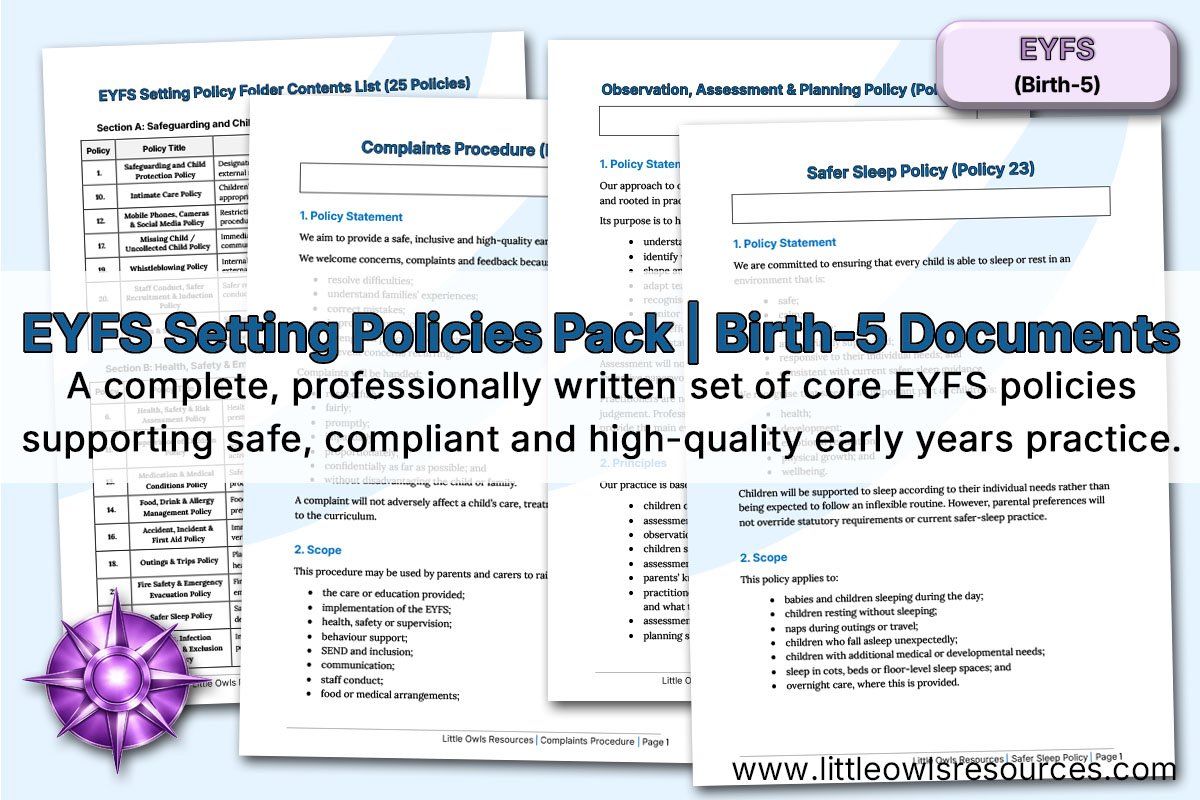
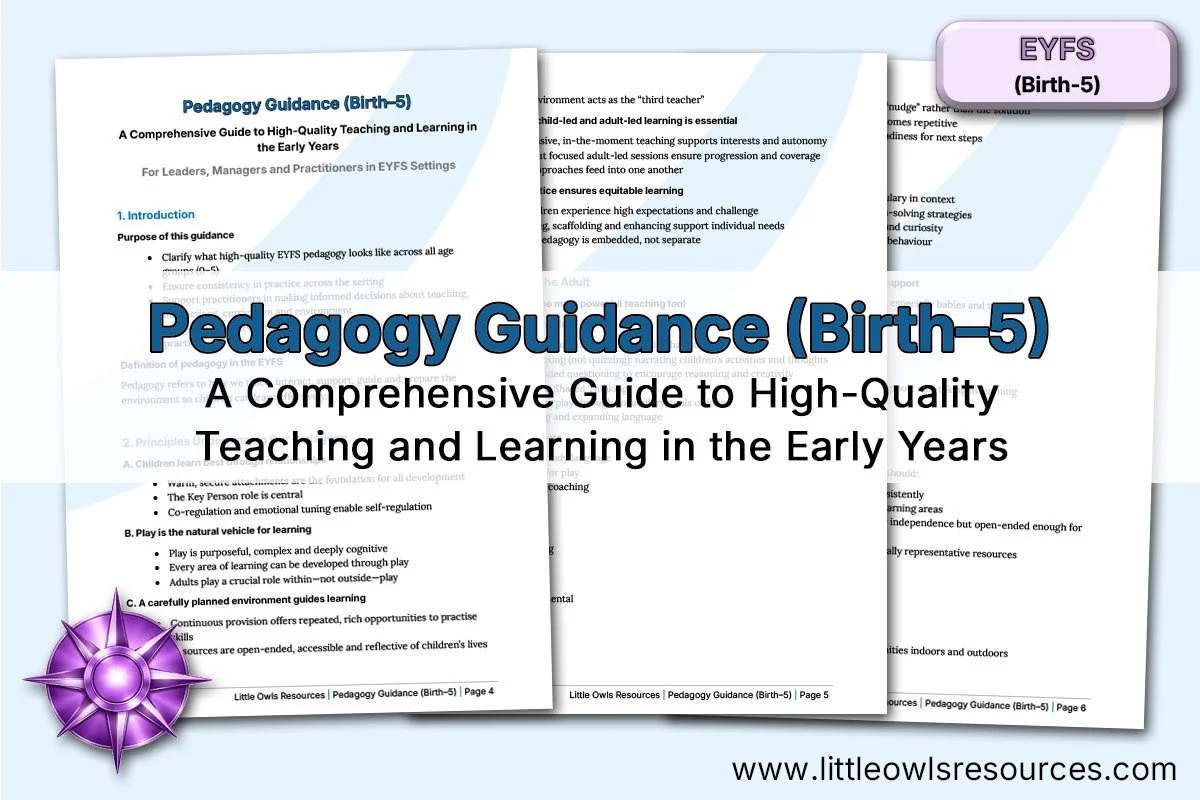
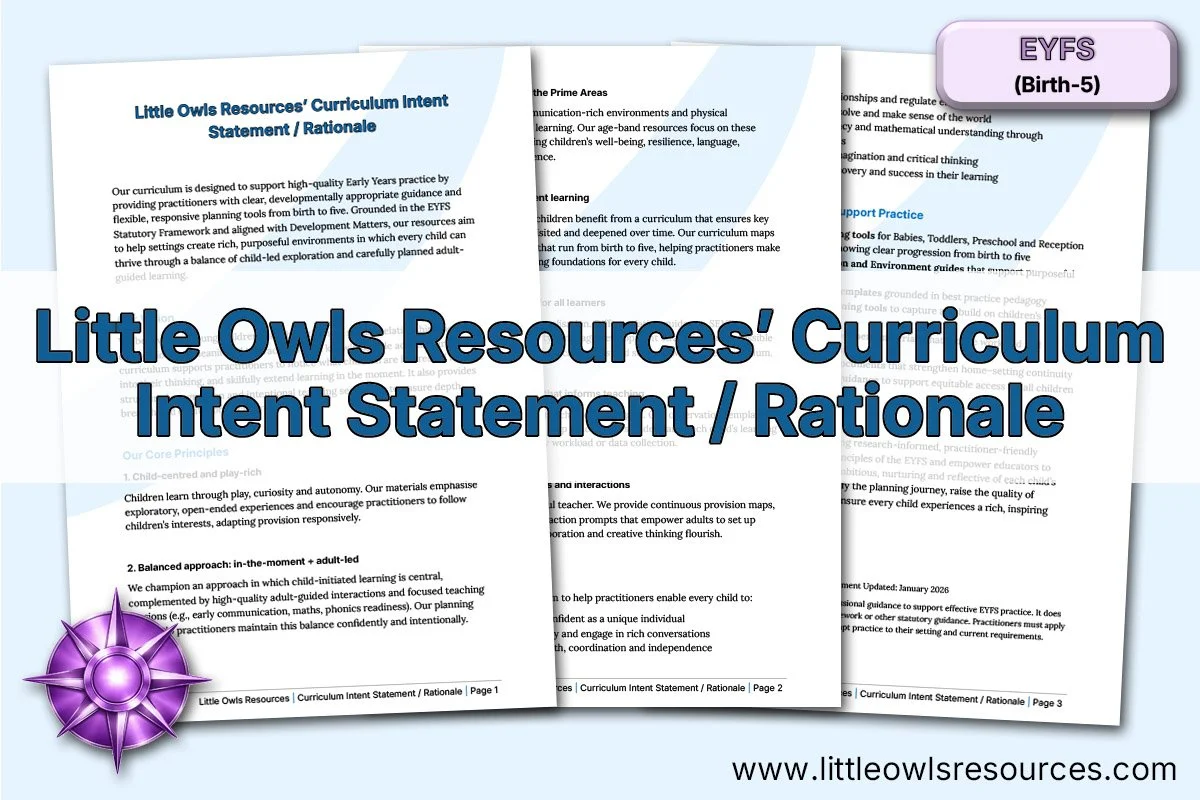
Further Guidance | Related Documents within our ‘EYFS Curriculum & Pedagogy’ suite:
Below you will find a selection of guidance documents from within our Little Owls Resources ‘Curriculum & Pedagogy’ area which explore this concept (& its age-specific application within EYFS settings) in greater depth.
[For additional documents please visit our support pathways: Baby | Toddler | Preschool | Reception | Mixed-Age]



Further Guidance | Related Resources within our ‘Printable Provision’ area:
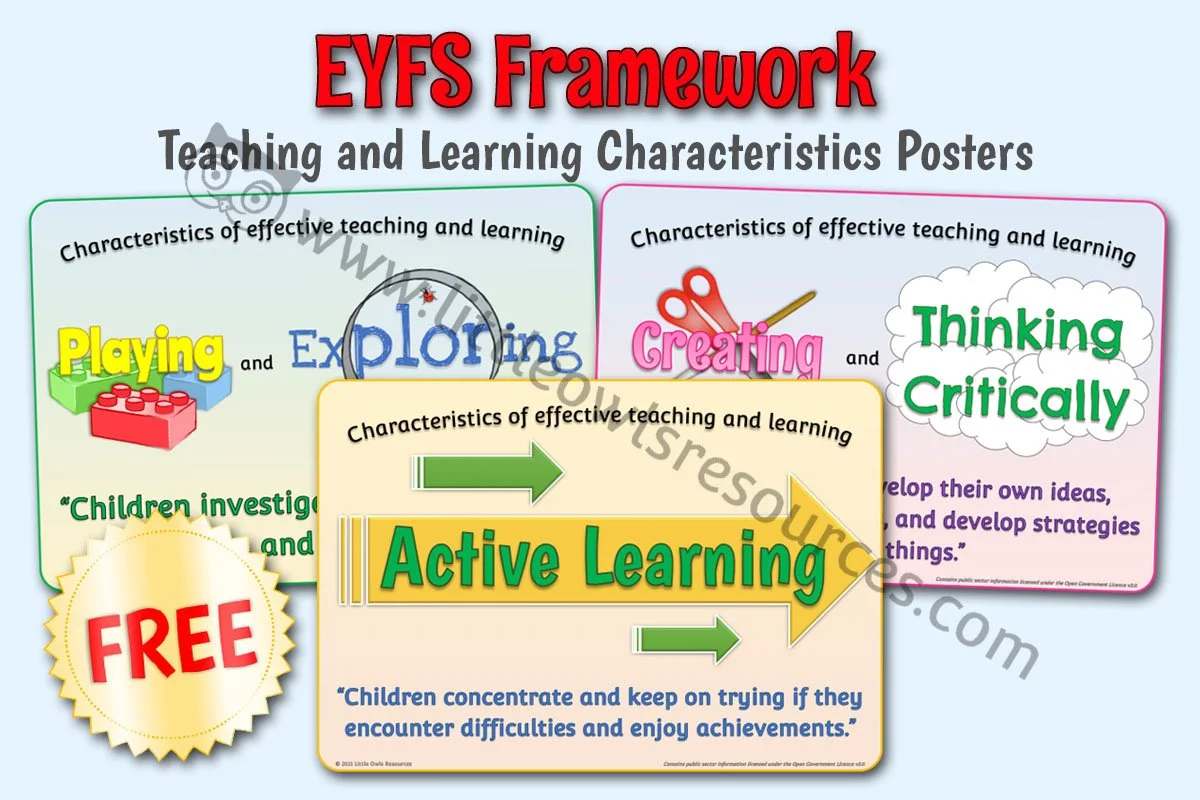
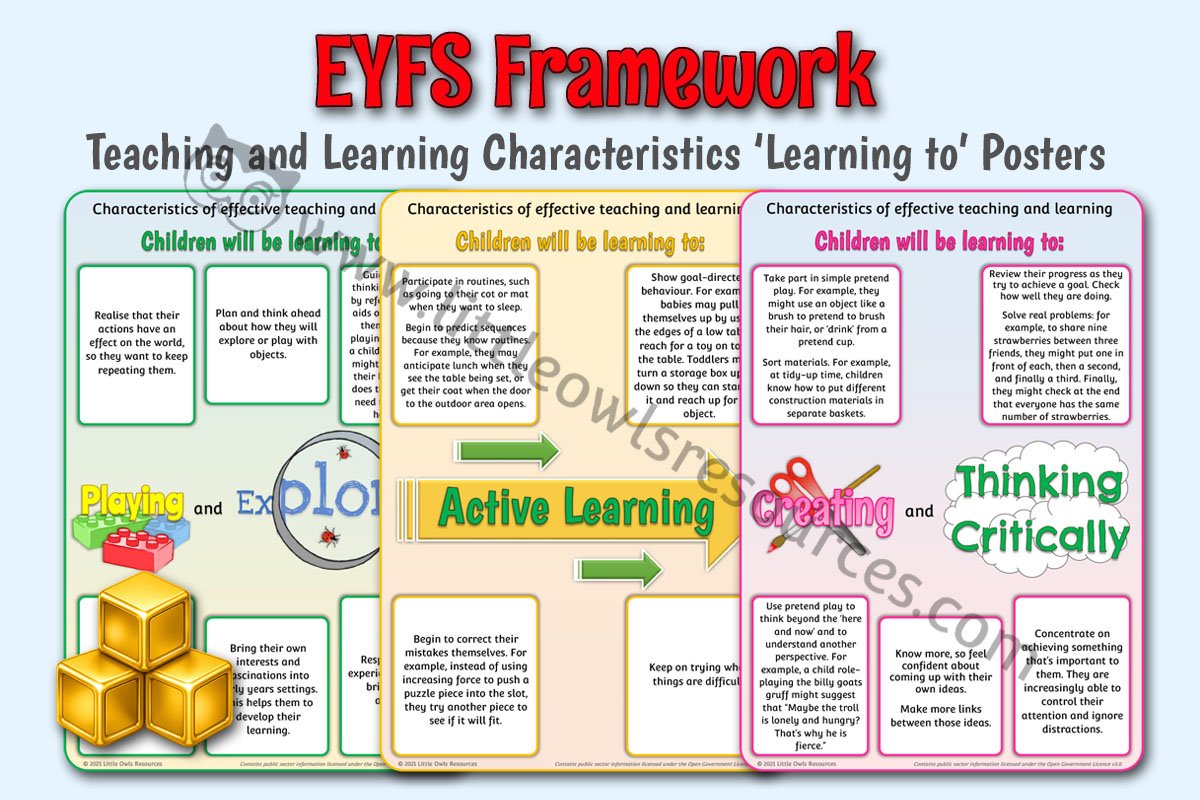
The following resources are within our ‘EYFS Framework’ collection.
Disclaimer
The information provided in this glossary is intended to support understanding of terminology commonly used within the Early Years Foundation Stage (EYFS). It does not constitute official guidance and should not be considered a substitute for the EYFS Statutory Framework or other Department for Education publications.
Terminology and interpretations may vary between settings and professional contexts.