
Part of the EYFS Glossary
This article forms part of our EYFS Glossary of Early Years Education Terms, which explains key curriculum, pedagogy, and assessment language used in early years practice.
Transition refers to the changes children experience as they move between people, places, routines, or stages of development. In early years practice, this includes both everyday transitions and larger developmental or educational changes.
What is Transition in Early Years?
Transition describes the process of moving from one situation, experience, or stage to another. In early years settings, transitions are a regular part of children’s lives and can vary in scale.
Some transitions happen every day, such as moving from playtime to snack time, while others are larger changes, such as starting nursery, moving rooms, or beginning school.
Because transitions often involve change, they can affect children’s sense of security, confidence, and emotional wellbeing.
Daily Transitions in Early Years Practice
Daily transitions are the small changes that happen regularly throughout the day. These may include:
arriving at the setting
moving from one activity to another
tidying up
going outdoors or coming back inside
preparing for mealtimes or rest times
leaving the setting at the end of the day
Although these transitions may seem routine, they can be significant for young children. They often require children to stop one experience, adjust to another, and manage changes in expectation or environment.
Developmental Transitions
Developmental transitions are larger changes that happen as children move through stages of growth or education.
These may include:
starting an early years setting
moving from one room or group to another
changes in care arrangements
moving from nursery to Reception
transitioning from Reception to Year 1
These transitions can involve new adults, routines, environments, and expectations. They may therefore require careful support and preparation.
Why Transitions Matter
Transitions matter because they can affect how safe, confident, and secure children feel. For some children, transitions are managed easily, while others may need additional reassurance and support.
Well-supported transitions can help children to:
feel emotionally secure
build confidence in new situations
develop independence
engage more easily with routines and learning
Poorly supported transitions may lead to anxiety, distress, or difficulty settling.
Supporting Children Through Transitions
Practitioners support children through transitions by providing consistency, preparation, and responsive care.
This may include:
using familiar routines and cues
preparing children for upcoming changes
allowing time for adjustment
working closely with parents or carers
ensuring support from familiar adults, such as a key person
These approaches help children understand what is happening and feel supported during change.
Common Questions About Transition in Early Years
-
Daily transitions are the regular changes children experience during the day, while developmental transitions involve larger changes such as starting a new setting or moving to school.
-
Transitions may involve unfamiliar people, places, or expectations, which can affect children’s sense of security and confidence.
-
Practitioners can support children by providing clear routines, reassurance, preparation, and consistent relationships with familiar adults.
Summary
Transition refers to the changes children experience as they move between routines, environments, people, or stages of development. In early years practice, both daily and developmental transitions can affect children’s emotional wellbeing, confidence, and engagement. Supportive, responsive practice helps children manage these changes more successfully.
Related Glossary Terms
The following glossary entries are closely related to Transition (Daily & Developmental) and provide additional context:
Further Guidance | Related Documents within our ‘EYFS Curriculum & Pedagogy’ suite:
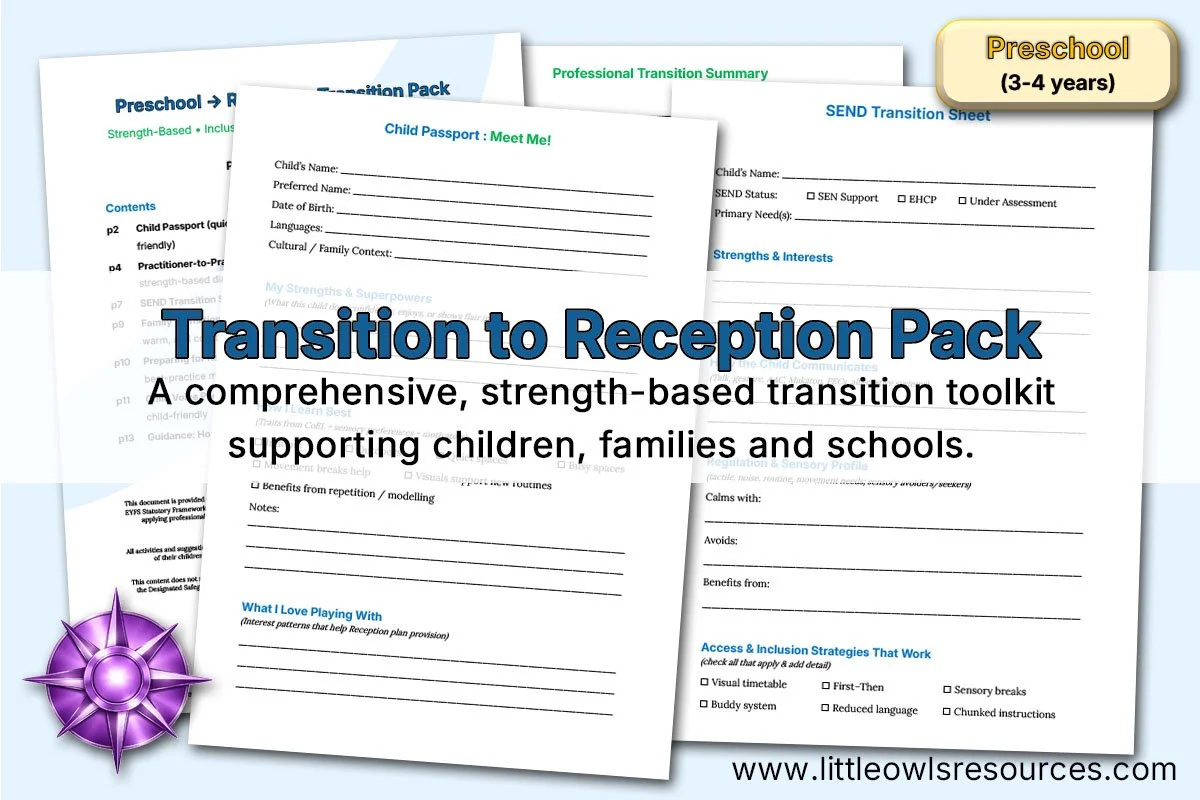
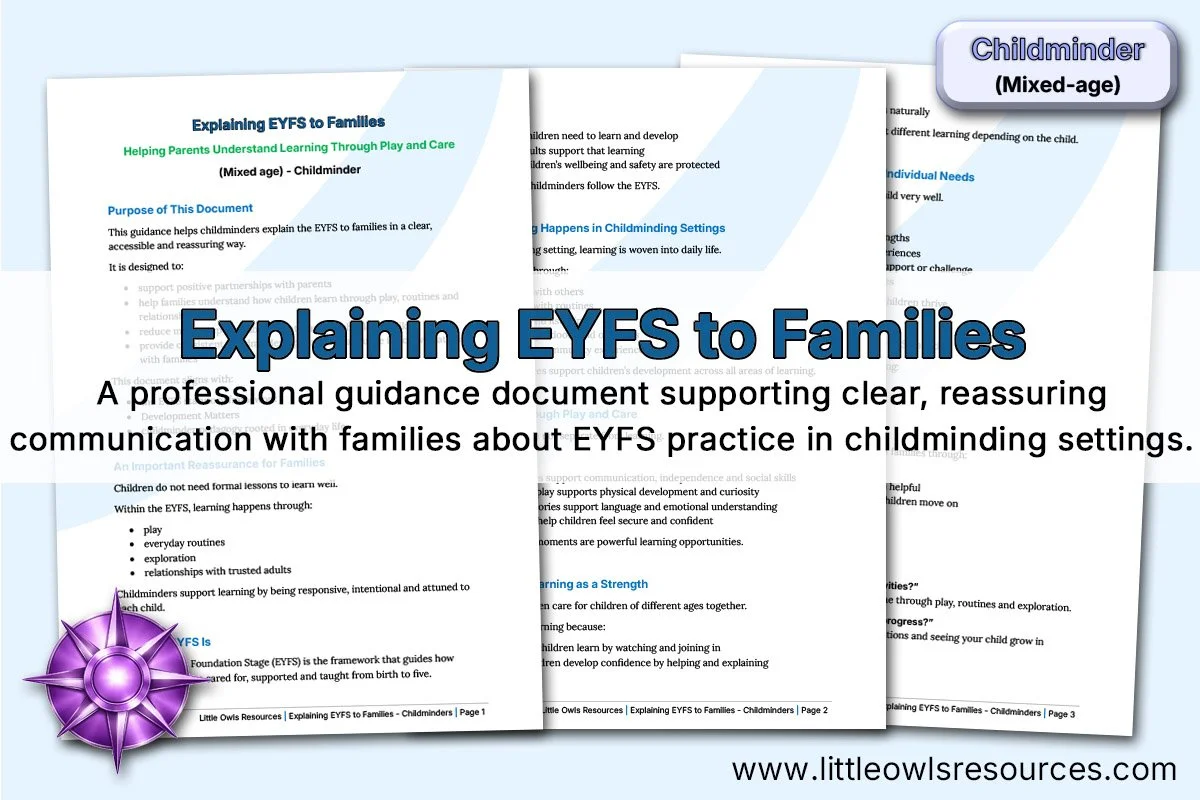
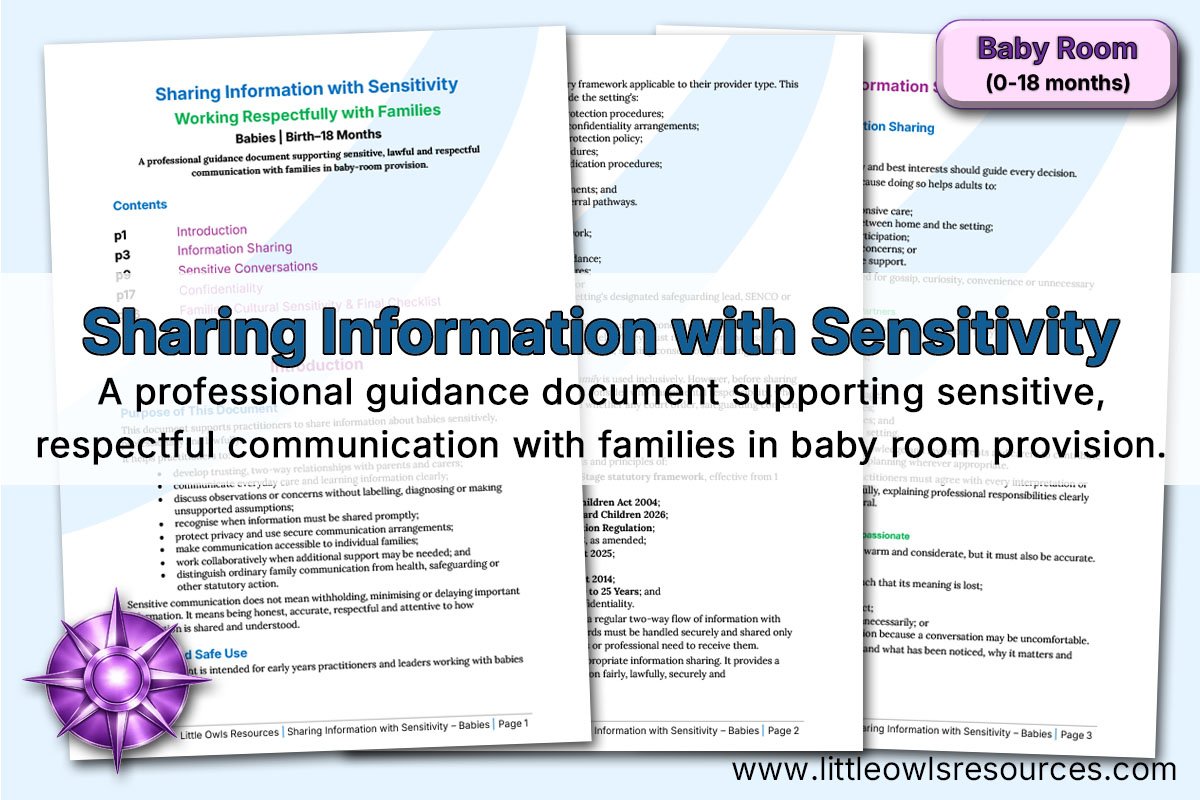
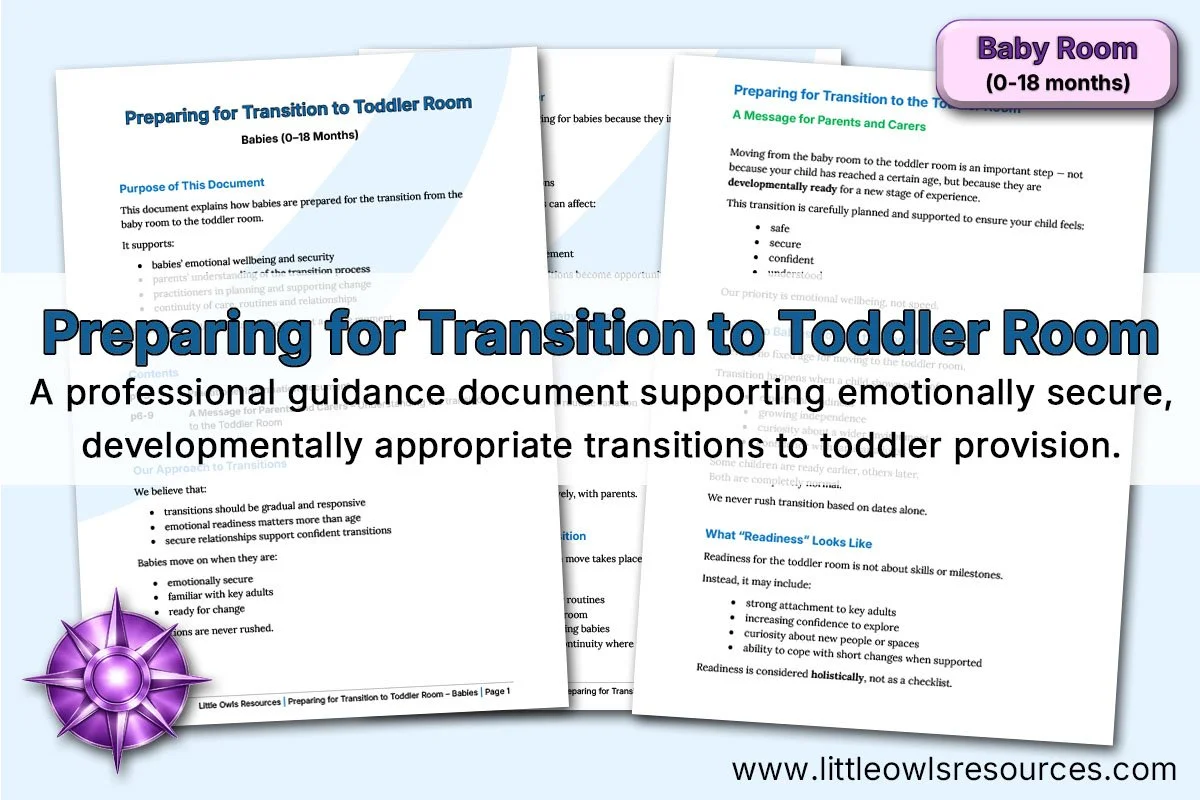
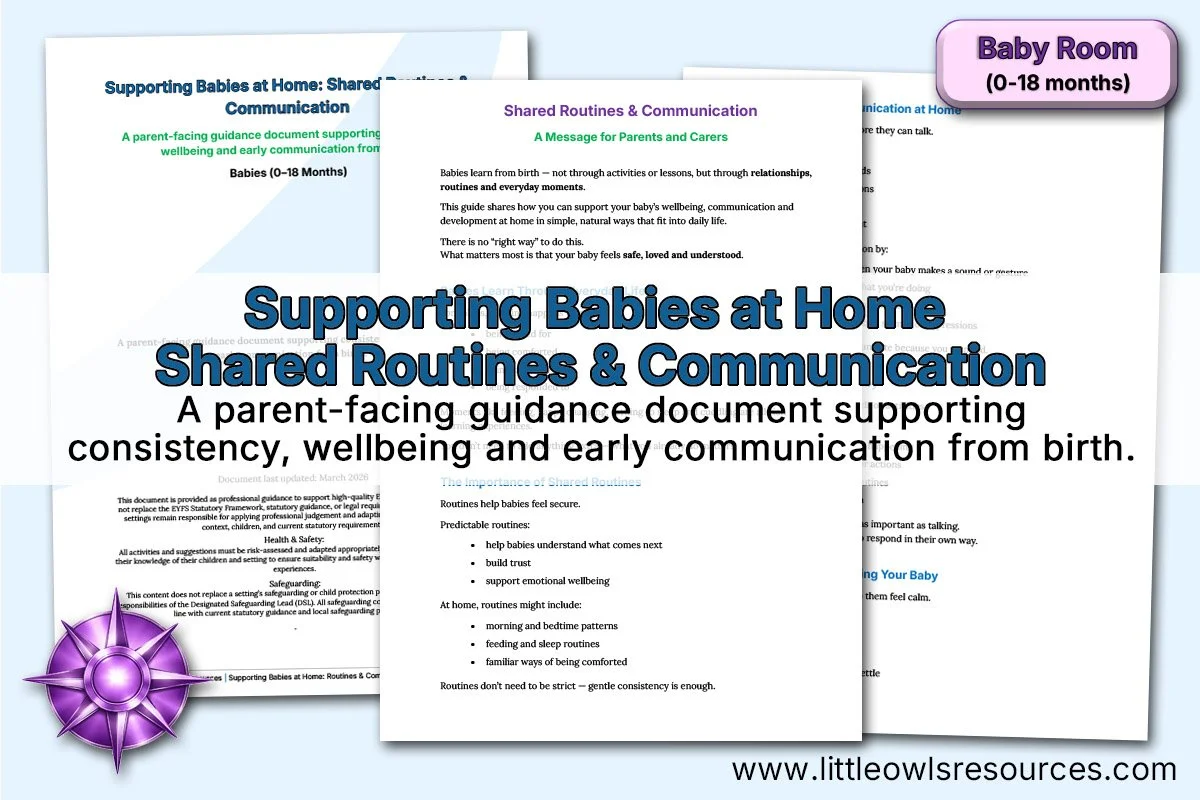
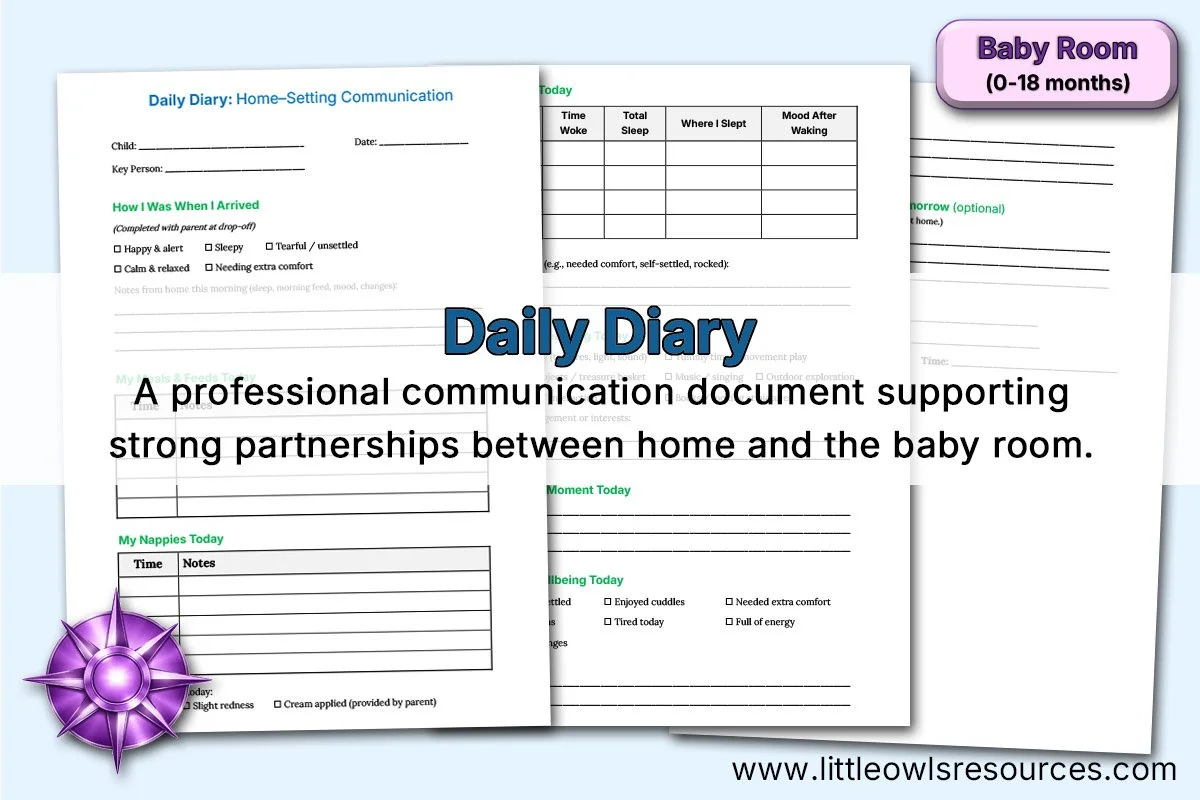
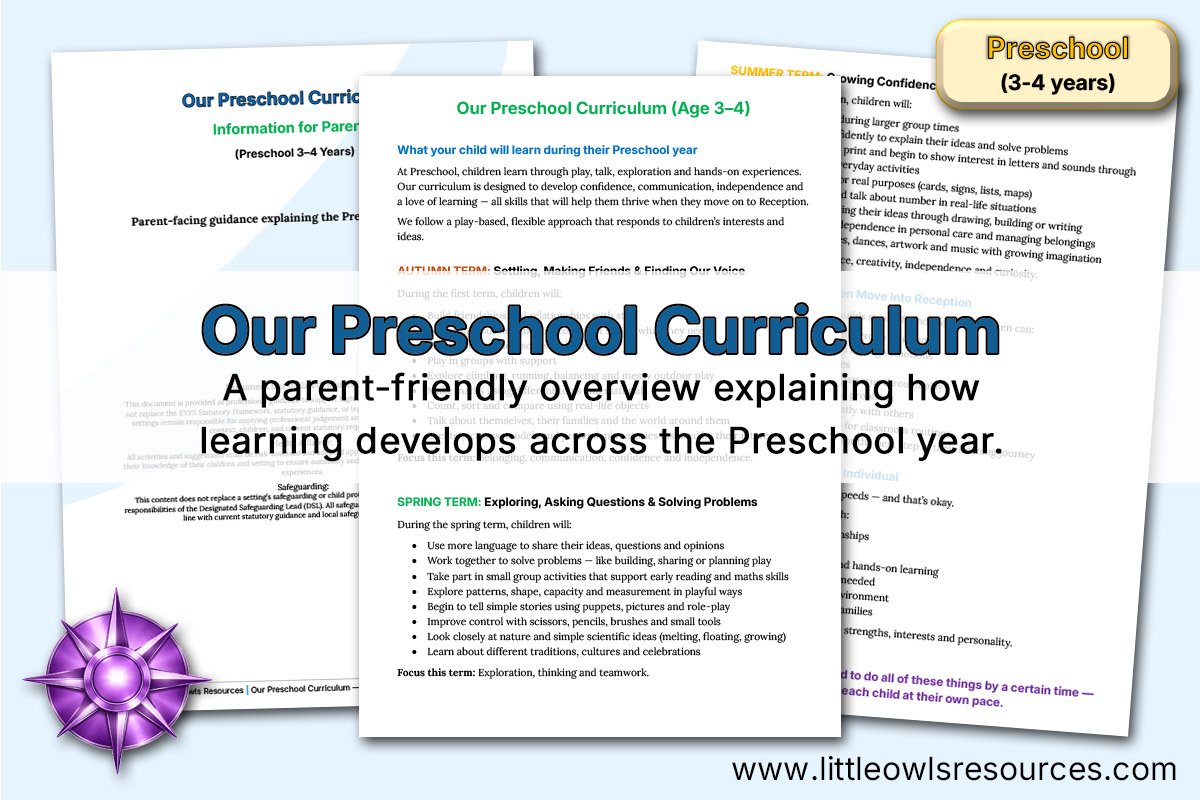
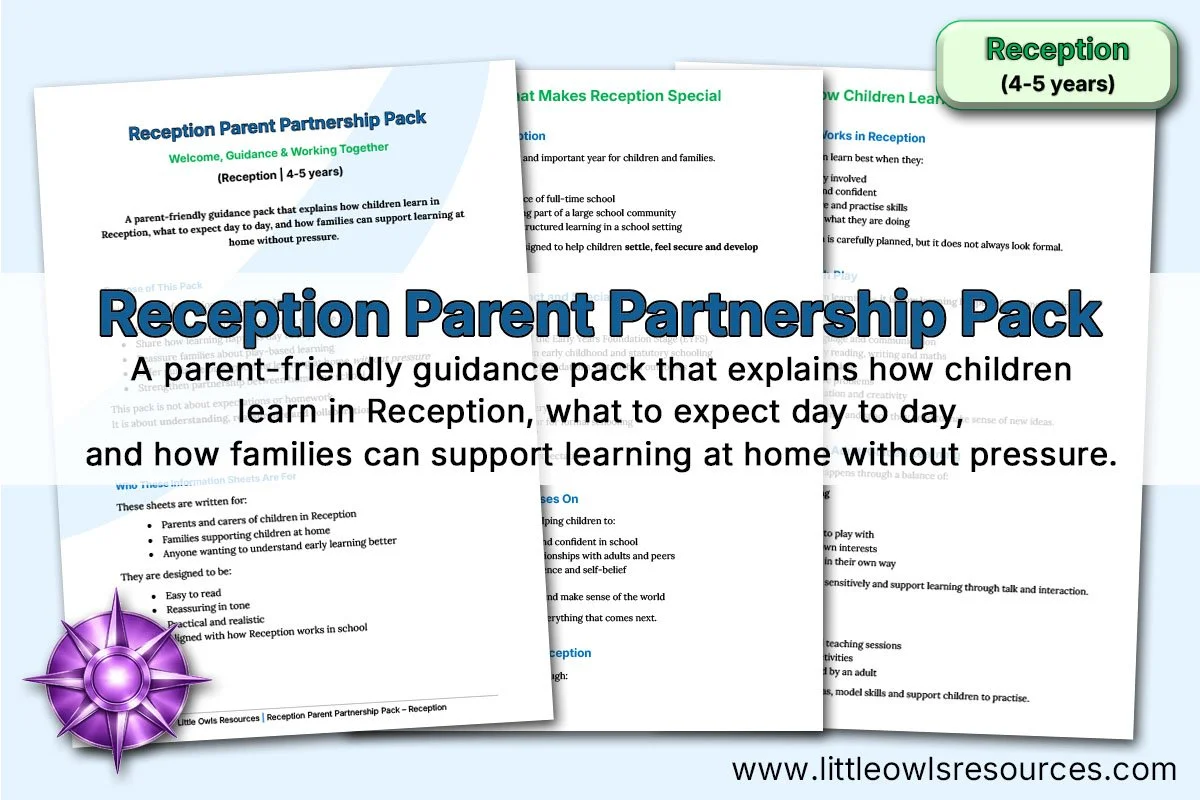
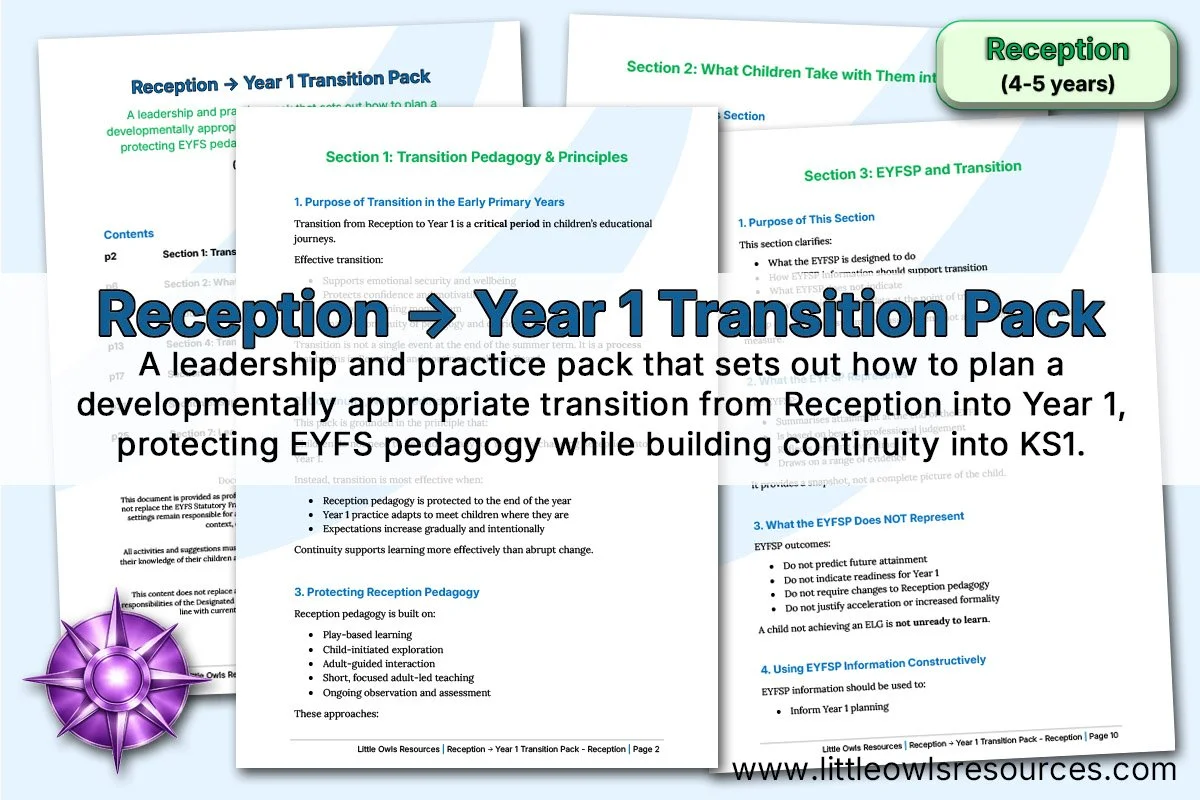
Below you will find a selection of guidance documents from within our Little Owls Resources ‘Curriculum & Pedagogy’ area which explore this concept (& its age-specific application within EYFS settings) in greater depth.
[For additional documents please visit our support pathways: Baby | Toddler | Preschool | Reception | Mixed-Age]

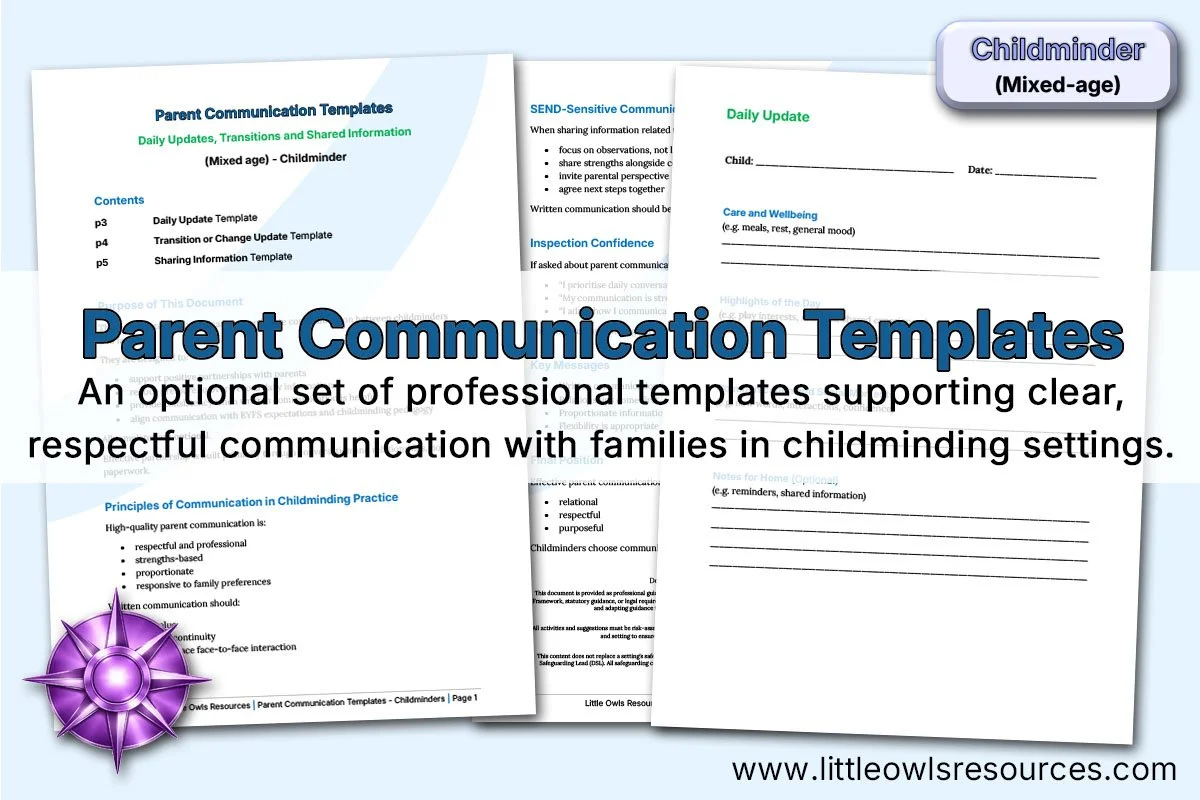



Further Guidance | Related Resources within our ‘Printable Provision’ area:
Disclaimer
The information provided in this glossary is intended to support understanding of terminology commonly used within the Early Years Foundation Stage (EYFS). It does not constitute official guidance and should not be considered a substitute for the EYFS Statutory Framework or other Department for Education publications.
Terminology and interpretations may vary between settings and professional contexts.